
How Much Does It Cost to Plant a Tree? Prices by Region and Species
Tree planting cost by region and species: cents per seedling in a planting program, hundreds of dollars for a landscaped tree, and why the gap is so wide.
A tree costs cents in a field and hundreds of dollars in a yard. Both numbers are real.
per seedling in a reforestation or agroforestry program
per fruit or nut tree, grafted and irrigated
per tree planted in a yard by a landscaper
per tree at 1ClickImpact
“How much does it cost to plant a tree?” has answers that differ by a factor of a thousand, because it is several questions at once. A seedling going into a farmer’s field in Kenya, a native hardwood going back into the Atlantic Forest, a grafted mango going into an irrigated orchard in India, and a maple going into your front lawn are all “planting a tree”, and they cost very different amounts. This guide gives the price for each (by region and by species), explains what moves it, and ends with what we charge and what that buys.
The short version
- A tree planted through a program in the tropics costs between ten cents and a few dollars. The seedling is grown from seed in a local nursery and planted by a farmer or community team on land they already work.
- A fruit or nut tree costs more, roughly $1 to $10, because it is grafted, often irrigated and looked after for years before it pays back in harvests.
- A tree planted in your own yard by a landscaper costs $150 to $1,500 or more, because you are paying for a grown tree, a truck, a crew and a hole in the ground.
- 1ClickImpact charges $0.40 per tree, $0.60 for a food tree. The price covers the seedling, the planting, the partner's monitoring, GPS and photo evidence, and a certificate.
What it costs to plant a tree around the world
The biggest factor is where the tree goes. Wages, land access, the length of the planting season and how far the seedling has to travel all follow geography. The ranges below are typical per-tree costs for organized planting programs. Within each region a fast-growing seedling sits at the bottom of the range and a grafted fruit tree or a slow native hardwood sits at the top.
East Africa
$0.10 to $1Kenya, Uganda, Tanzania, Ethiopia
Agroforestry on smallholder farms. Seedlings raised in community nurseries, planted by the farmer, counted again after a season or two.
West Africa and the Sahel
$0.20 to $1.50Senegal, Sierra Leone
Drought-resistant species for restoring dry land. Extra cost goes into protecting young trees from heat, wind and livestock.
South Asia
$0.30 to $3India
Fruit and timber species on village and farm land. Grafted saplings and drip irrigation push the price up and the survival rate with it.
Southeast Asia
$0.50 to $3Vietnam, Indonesia, the Philippines
Food forests, mangroves and hillside restoration. Mangroves sit at the top of the range because the site work is heavier.
Latin America
$0.50 to $5Brazil, Peru, Mexico
Native-species restoration in the Atlantic Forest and the Amazon. Higher labor costs and slower-growing species raise the price.
Europe and North America
$2 to $10United States, Canada, the UK, Germany
Native reforestation after fire or logging. Wages, land access and nursery stock all cost more, and so does the planting season being short.
| Region | Per tree | Examples | What the money buys |
|---|---|---|---|
| East Africa | $0.10 to $1 | Kenya, Uganda, Tanzania, Ethiopia | Agroforestry on smallholder farms. Seedlings raised in community nurseries, planted by the farmer, counted again after a season or two. |
| West Africa and the Sahel | $0.20 to $1.50 | Senegal, Sierra Leone | Drought-resistant species for restoring dry land. Extra cost goes into protecting young trees from heat, wind and livestock. |
| South Asia | $0.30 to $3 | India | Fruit and timber species on village and farm land. Grafted saplings and drip irrigation push the price up and the survival rate with it. |
| Southeast Asia | $0.50 to $3 | Vietnam, Indonesia, the Philippines | Food forests, mangroves and hillside restoration. Mangroves sit at the top of the range because the site work is heavier. |
| Latin America | $0.50 to $5 | Brazil, Peru, Mexico | Native-species restoration in the Atlantic Forest and the Amazon. Higher labor costs and slower-growing species raise the price. |
| Europe and North America | $2 to $10 | United States, Canada, the UK, Germany | Native reforestation after fire or logging. Wages, land access and nursery stock all cost more, and so does the planting season being short. |
Ranges are typical program costs for orientation, not a price list. Individual projects fall outside them in both directions.
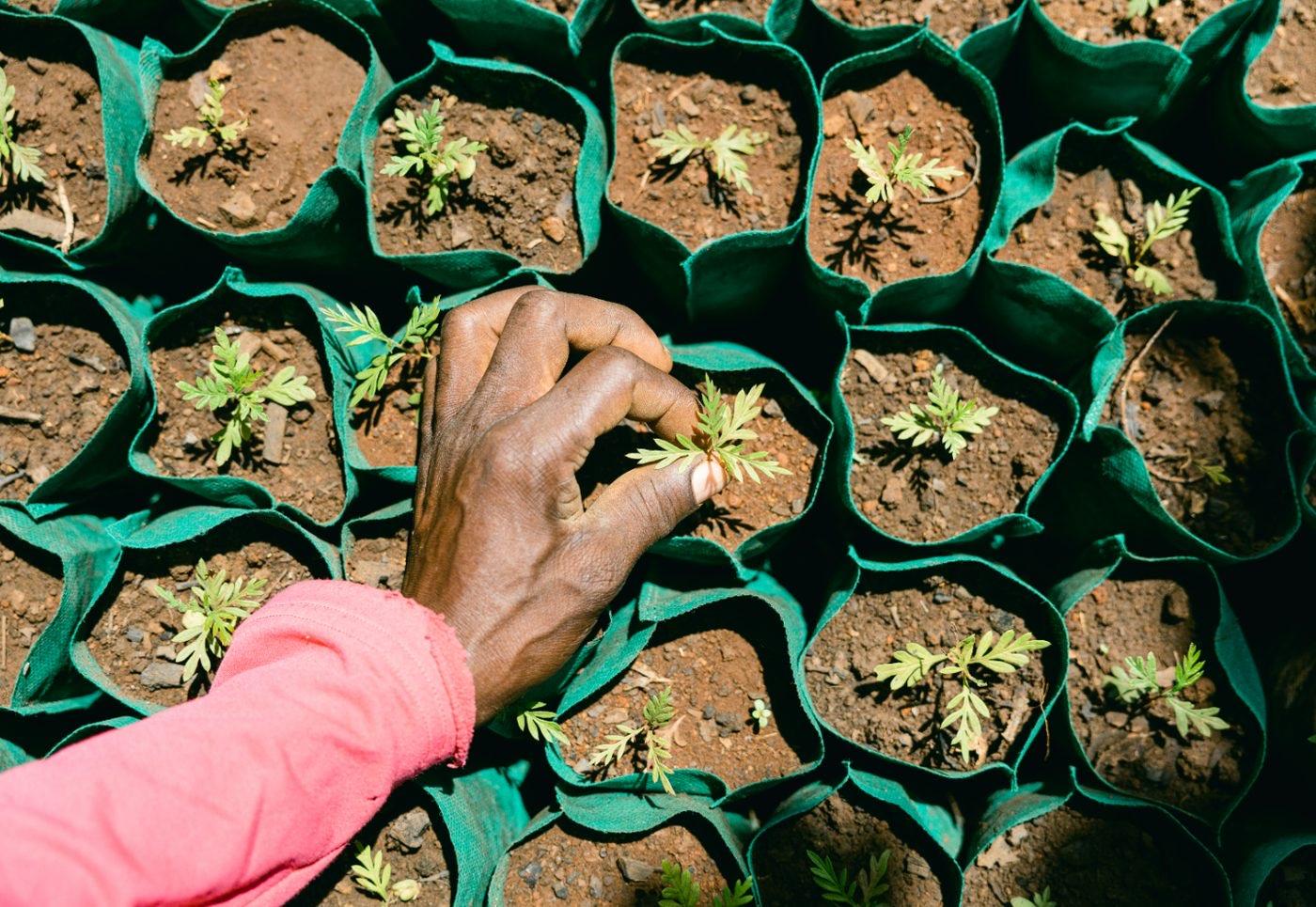 Kenya, Forest Garden Program
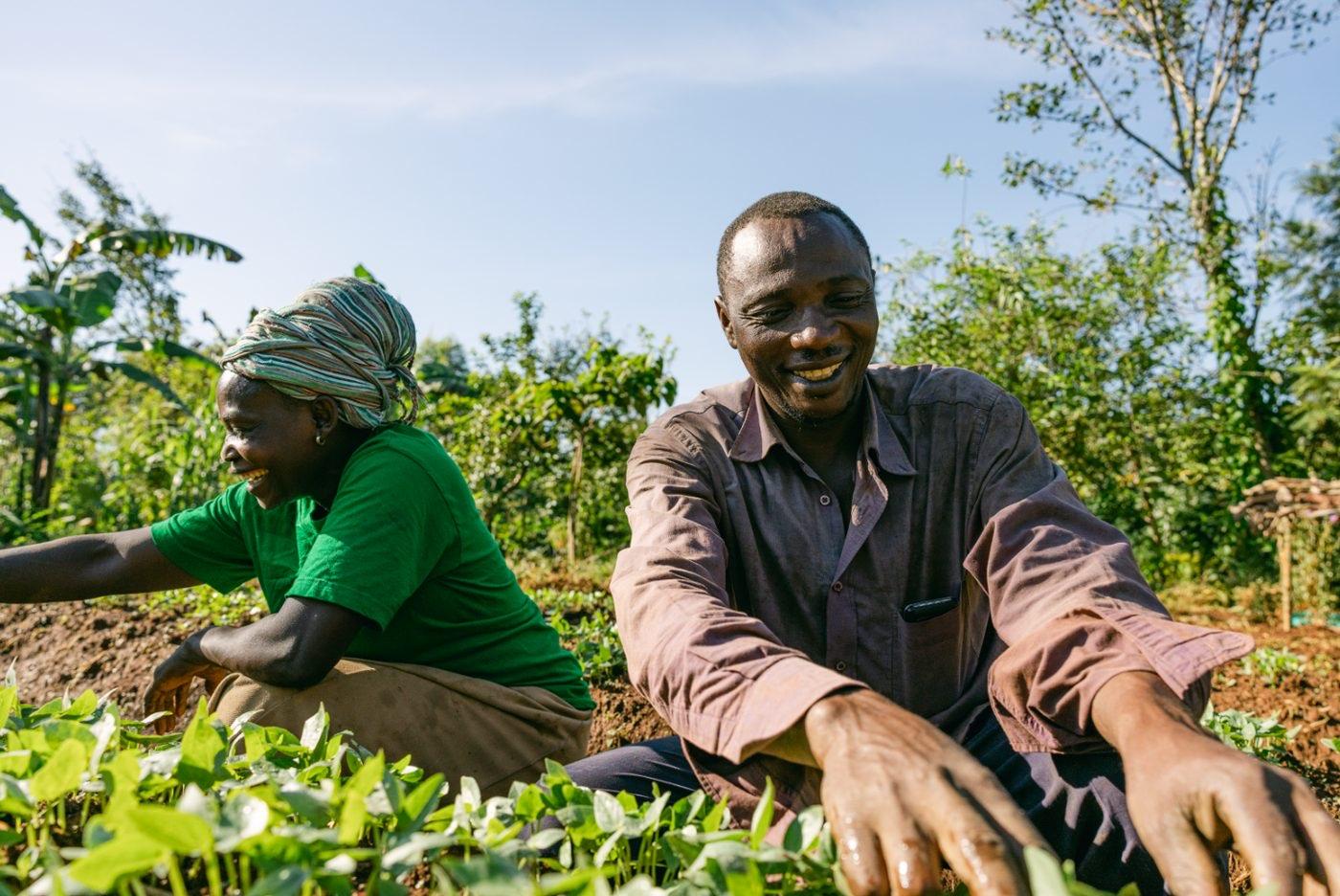 Senegal, Great Green Wall
 India, Kesar mango orchards
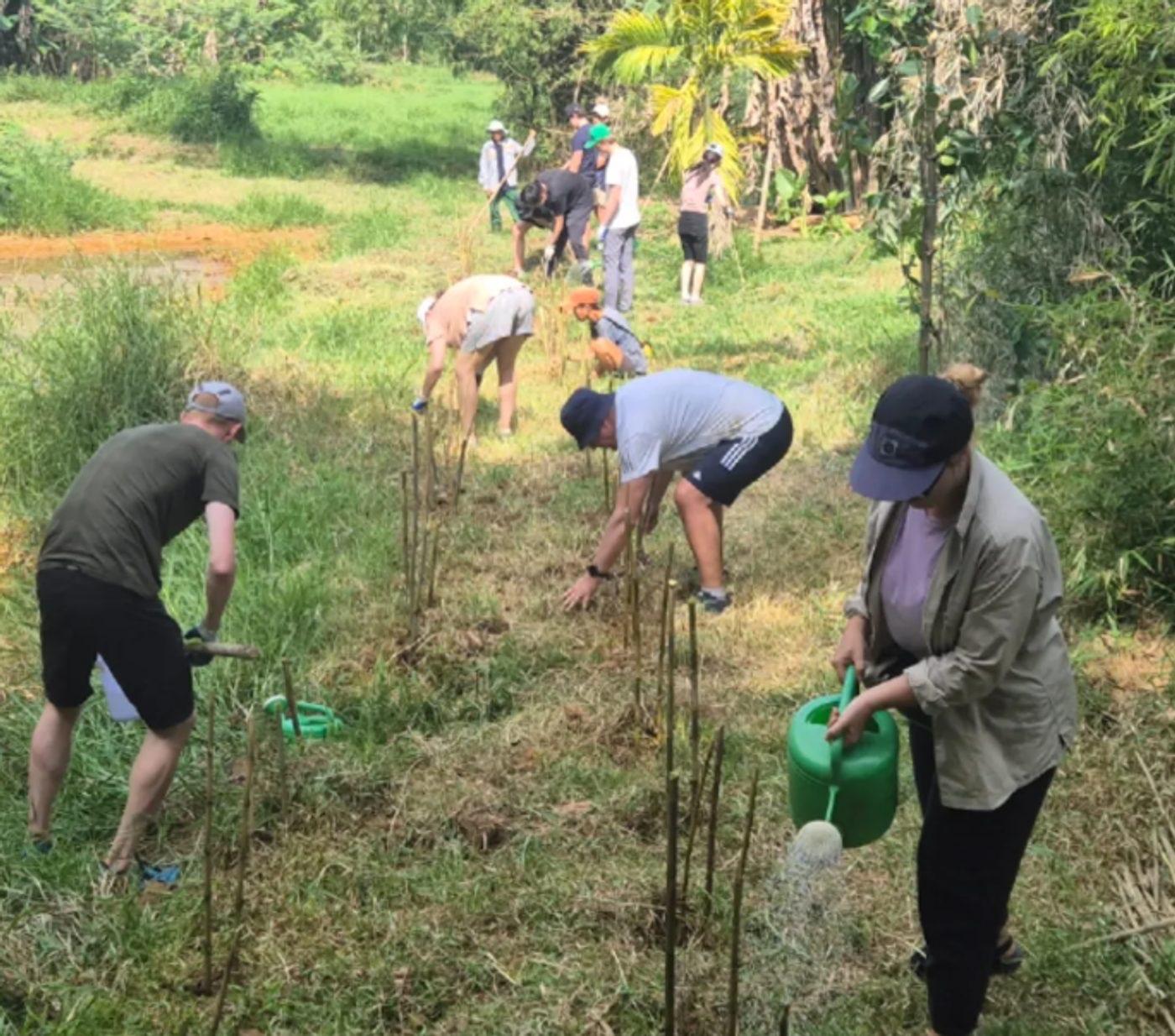 Vietnam, food forests
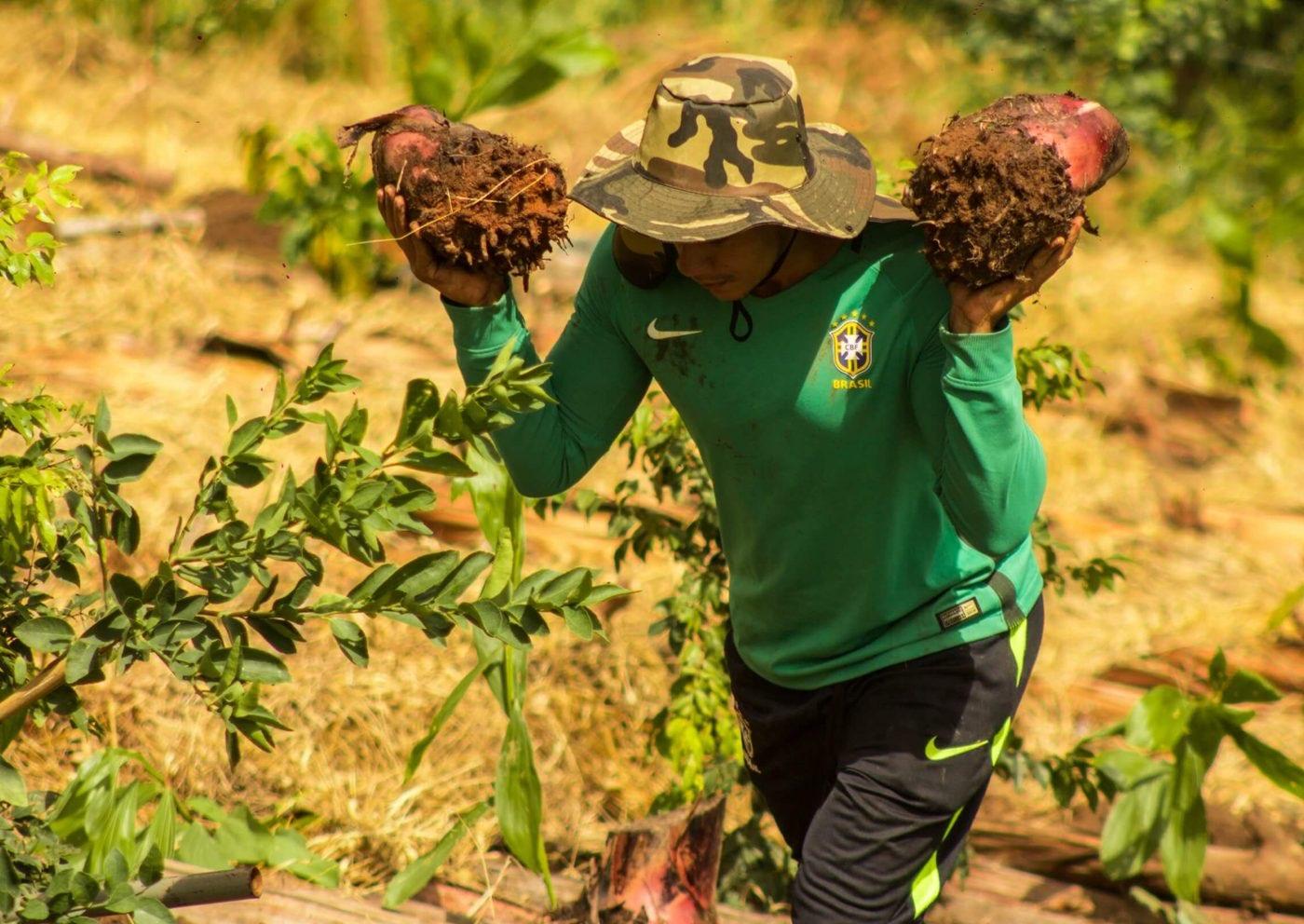 Brazil, Atlantic Forest
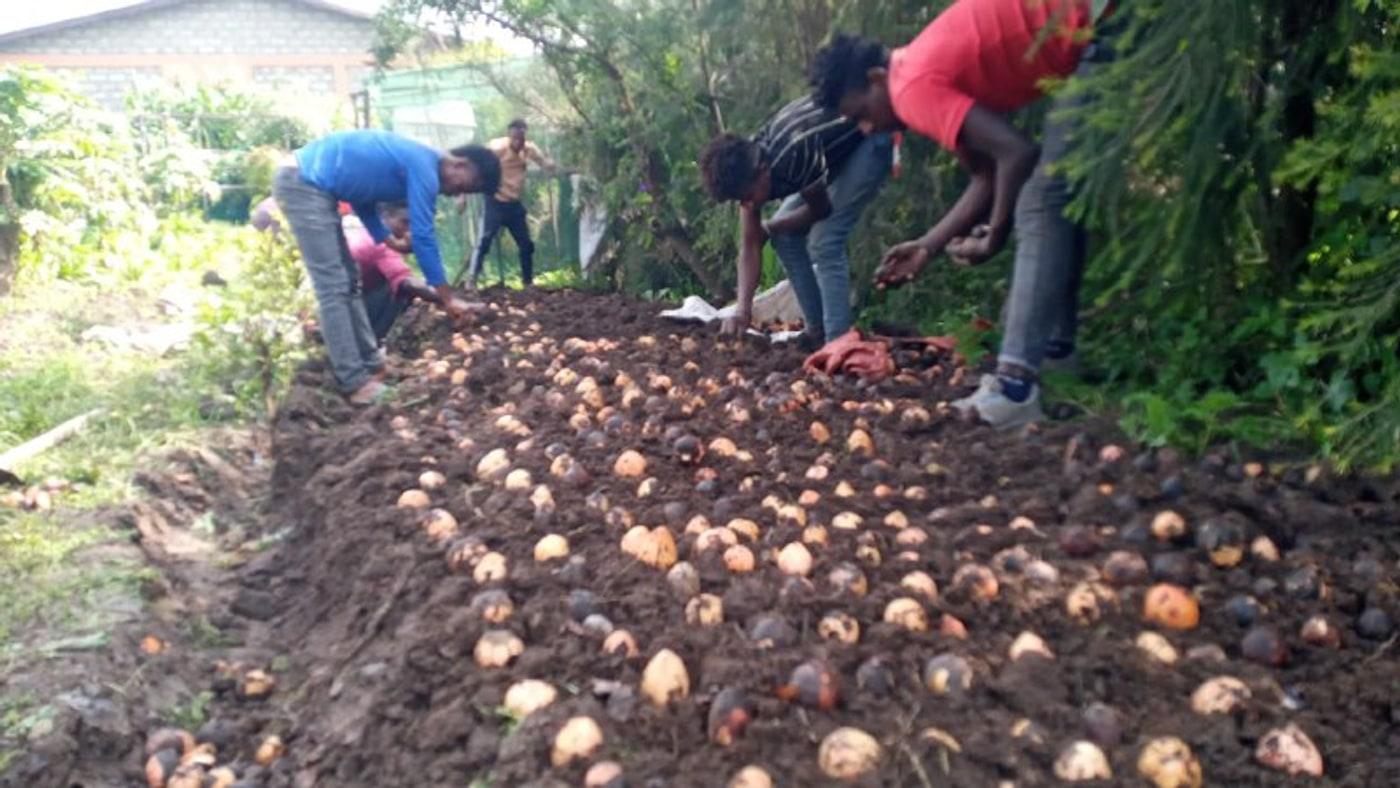 Ethiopia, school gardens
The pattern is not that poorer countries plant worse trees, rather it is that the cheapest trees in the world are planted by the people who will live next to them. For example, a farmer in Kenya or Uganda who puts an agroforestry seedling on her own land waters it because it will feed her goats and shade her crops. That is the reason why East African programs report survival rates of 80 to 90 percent at a price a city tree crew could not match for a single hour of labor.
What it costs to plant a tree by type
The second factor is what you plant. Within one country the species alone can move the price tenfold, mostly through how the seedling is produced and how long it needs looking after.
- 01
Fast-growing native or timber species
$0.10 to $1
Acacia, grevillea, calliandra and similar agroforestry species grow from seed in months and go into the ground as small seedlings. They are the cheapest tree to plant anywhere in the world.
- 02
Indigenous forest species
$0.50 to $5
The trees that belong in a restored forest, from Atlantic Forest hardwoods to the Rwenzori highlands. Seed is harder to collect, germination is slower and planting is often on steep or remote land.
- 03
Grafted fruit and nut trees
$1 to $10
Mango, cashew, avocado, citrus, papaya and moringa. Grafting, a bigger root ball and irrigation through the first dry seasons add cost, and the tree pays a family back in food and income for decades.
- 04
Mangroves
$0.50 to $4
Propagules are cheap, but the planting happens on tidal mudflats on foot and at the right tide, and the first-year losses to waves and crabs mean replanting is built into the price.
- 05
Nursery trees for yards and streets
$30 to $300 before planting
A five-gallon tree from a garden center is tens of dollars. A balled-and-burlapped specimen with a two-inch trunk is hundreds, before anyone digs. This is what the landscaping prices below start from.
- 06
Large transplanted trees
$2,000 to $20,000+
A mature tree moved with a tree spade or a crane, plus two years of watering and the risk that it does not take. Priced per job rather than per tree.
A grafted fruit tree is the interesting middle case. It costs several times more than a timber seedling, but it is the tree most likely to still be standing in twenty years, because a family eats from it. Planting programs that mix the two, a fast protective border of native species around a food-producing core, tend to get the best survival for the money, which is why the Forest Garden approach runs across Kenya, Uganda, Tanzania and Senegal.
What it costs to plant a tree in your yard
If the question is about your own property, the tree itself is the smaller part of the bill. In the United States a small nursery tree, five to seven feet tall, planted by a landscaper typically costs $150 to $400 installed. A larger specimen with a two to three inch trunk usually runs $500 to $1,500. Very large transplanted trees can cost several thousand dollars once you count the crane, the root ball and the watering schedule for the first two summers. Prices in the UK and Western Europe land in a similar band once converted.
Those figures vary widely by region, species and how hard your soil is to dig, so get two or three local quotes. Planting a bare-root sapling yourself can cost under $50, and the tree will catch up with a larger one within a few years if it is watered.
The rest of this guide is about the first set of prices, because that is where most people asking the question end up. But it helps to see both side by side: the expensive tree is not overpriced and the cheap tree is not fake. They are different products.
Six things that set the price of a planted tree
- 01
Where the seedling comes from
A seedling grown from seed in a community nursery costs cents. A five-gallon nursery tree sold at retail costs tens of dollars before anyone digs. This is the single biggest reason program trees and yard trees sit two or three orders of magnitude apart.
- 02
Who plants it, and on whose land
Agroforestry programs train farmers to plant on their own fields, so the farmer is both the planter and the person who benefits. Urban planting pays a crew and often a permit, then pays again for watering through the first two summers.
- 03
What is planted
A fast-growing timber or fodder species is cheaper than a grafted fruit tree, which is cheaper than a slow indigenous hardwood. Species choice alone can move the price tenfold within the same country.
- 04
How long someone keeps looking
A tree that is planted and never visited again is cheap. A tree that is counted at one year and three years, with dead trees replaced, costs more. Ask any provider how long they monitor and how they report survival.
- 05
What proof you get
GPS-tagged planting data, photos from the field and a certificate or public record each add cost, which is why the cheapest trees on the market are usually the ones you cannot look up afterward.
- 06
Country and labor cost
The same seedling planted in Kenya, Vietnam or Brazil costs less to put in the ground than one planted in Germany or the United States, because wages and land differ. That is a fact about wages, not about the quality of the tree.
What a tree costs at 1ClickImpact
per tree
pay as you go, no minimum
per food tree
grafted fruit and nut trees on smallholder farms
projects
in 17 or more countries, each with its own page
certificate
with the partner, country and GPS data for every tree
Our price sits at the low end of the East African range above because that is where most of the trees go, through partners who have planted there for years. Trees in India, Vietnam, Brazil and the rest of the network cost the same to you; the partner mix is ours to balance. Prices for every plan are on the pricing page.
What the $0.40 includes
- The seedling, raised in a nursery near the planting site
- The planting, by a farmer or community team through a named partner
- The partner's monitoring and survival reporting
- GPS-tagged planting data and photos from the field
- A digital certificate and a public impact profile
- For businesses, an API record per order and a webhook when it is planted
It does not buy a carbon credit. A tree planted today removes carbon over decades, how much depends on species, site and survival, and nobody can promise a figure at planting time. We sell trees as trees. If you need measured carbon removal, that is a separate product priced per pound and delivered with permanent storage.
Whoever you buy from, ask three questions: which project and partner will plant it, how long will someone monitor it, and can I look it up afterward. A provider who can answer all three at a dollar a tree is a better buy than one who cannot at twenty cents.
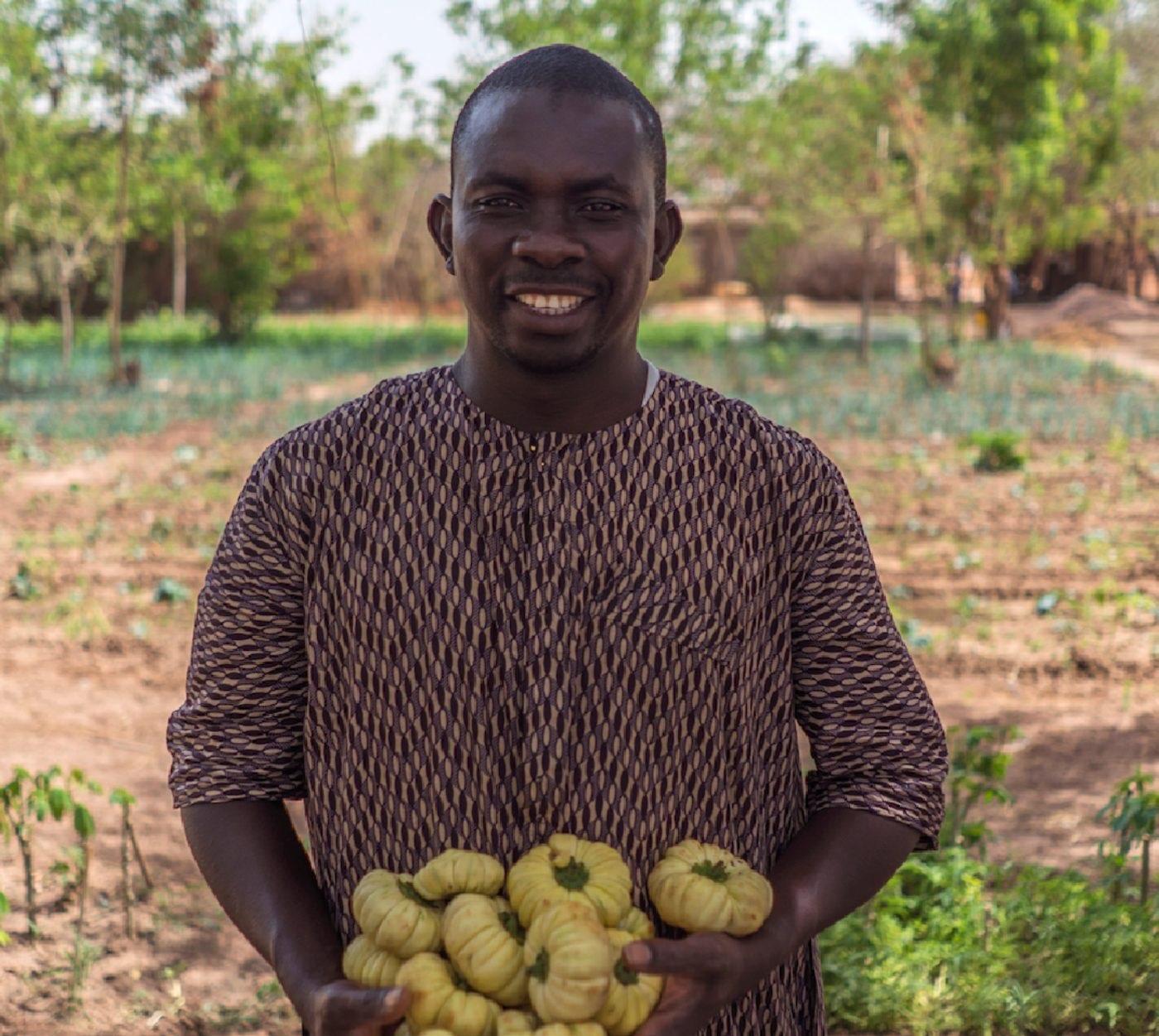
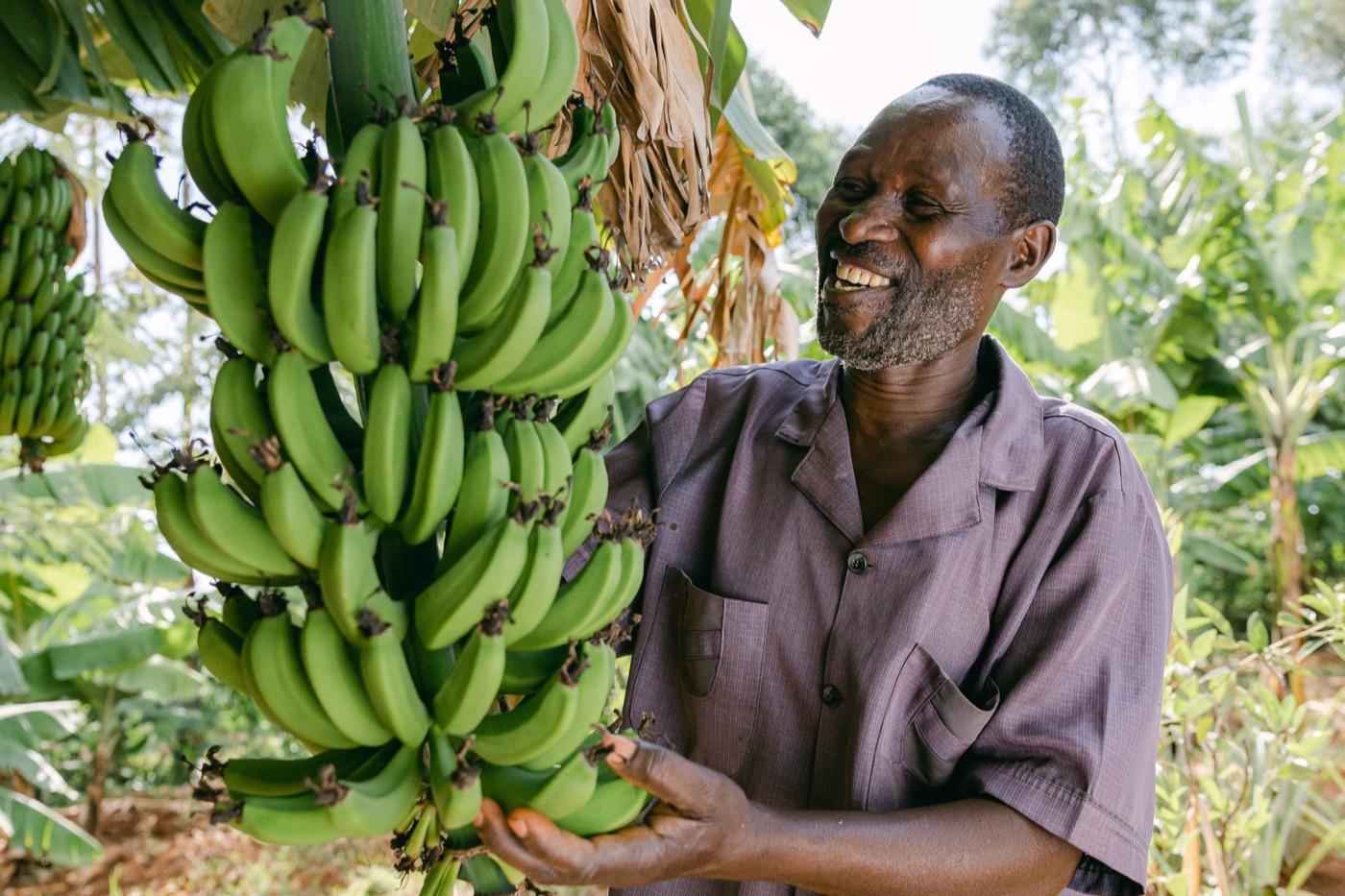
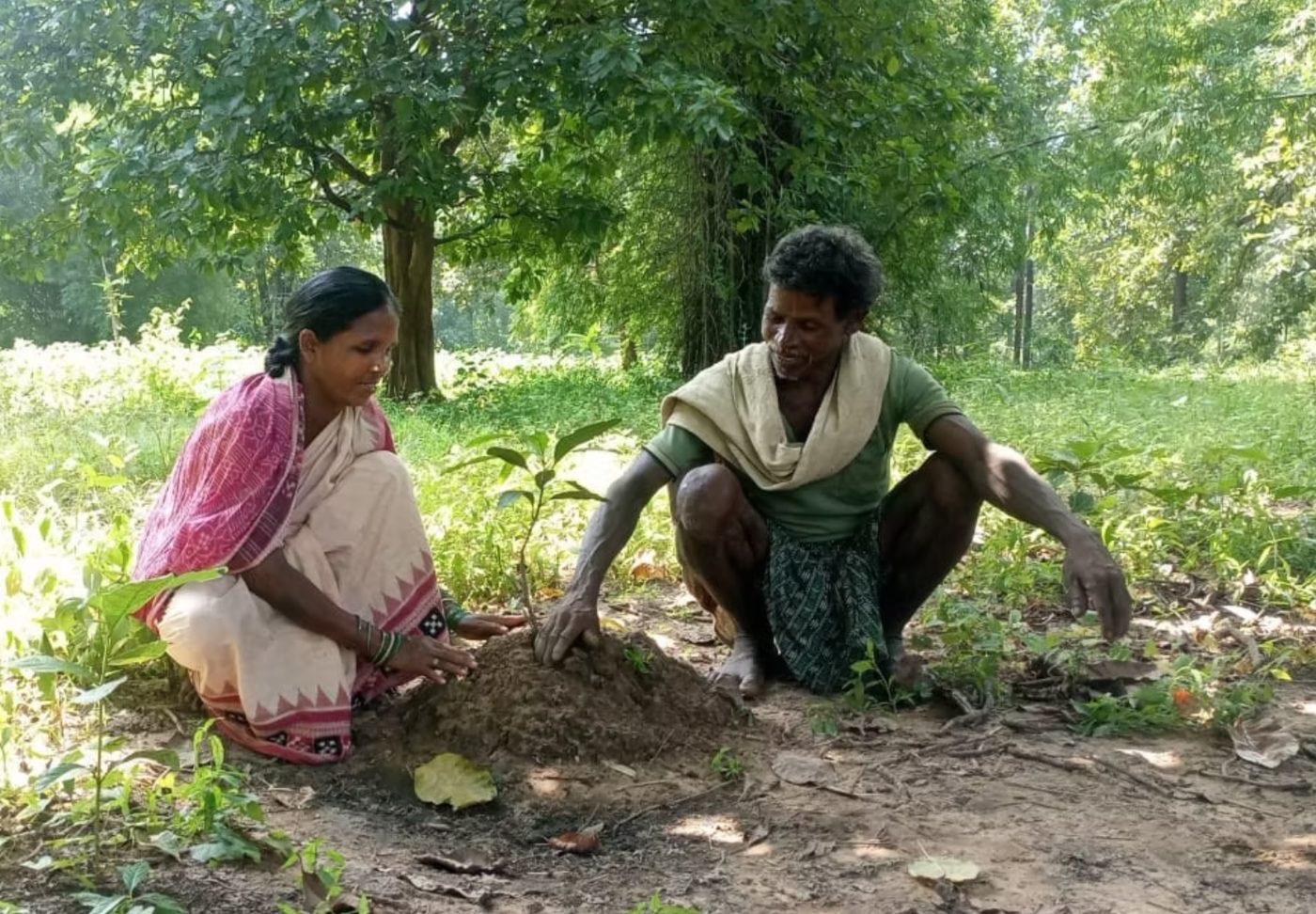
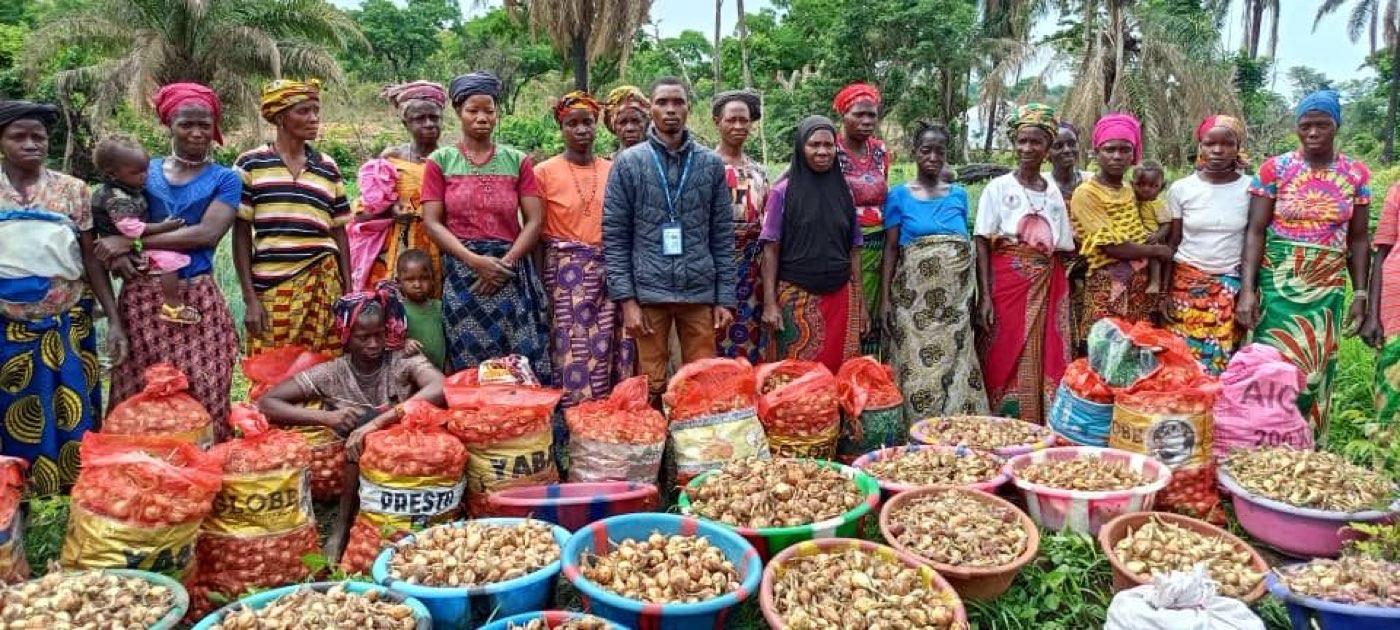
Field photos from Uganda, Tanzania, India and Sierra Leone. Every project page carries the partner, the location and more photos like these.
What it costs to plant a tree for every order
For a store, the per-tree price turns into a per-order cost. One tree per order adds $0.40 to each sale. On a $60 average order that is well under one percent of revenue, and it is the most visible thing you can attach to a checkout for the money. The Shopify app has no plan fee at all.
| Scenario | Trees cost | How |
|---|---|---|
| 5 trees a month, personal | $2.00 / month | Recurring, cancel any time. Certificate and public profile included. |
| 1 tree per order, 500 orders | $200 / month | One tree per paid order. The Shopify app has no plan fee. |
| 1 tree per order, 2,000 orders | $800 / month | At $0.40 a tree. Volume pricing is available above this. |
| 10,000 trees, one time | $4,000 | A planting campaign or an annual commitment, paid once. |
That is the cost side. For the revenue side, the revenue calculator estimates what adding impact at checkout does to conversion at your order volume and average order value.
How to wire it up, and what to say to customers about it, is covered in Plant a Tree for Every Order. For the business page with the trigger options and the customer proof, see tree planting for business. And if you want the case for planting at all, start with how many trees are cut down every year.
Plant five trees for $2
Pick a project, pay the price on this page, and get a certificate with the planting partner, country and GPS data. Cancel any time.
Tree planting cost FAQ
How much does it cost to plant a tree?+
Through a planting program in the tropics, between ten cents and a few dollars per tree, depending on the region and the species. A grafted fruit tree costs more than a fast-growing native seedling. 1ClickImpact charges $0.40 per tree. Planting a tree in your own yard with a landscaper costs $150 to $1,500 or more.
Why is a reforestation tree so much cheaper than a landscaping tree?+
Because almost everything that makes a yard tree expensive is missing. Program trees start as seedlings raised from seed in local nurseries, are planted by farmers or community teams on land they already work, and are never transported as grown stock. There is no truck, no crane and no retail markup.
Is a tree that costs less than a dollar real?+
Yes, if the provider can show you where it went. With 1ClickImpact every tree is attributed to a named project and planting partner, carries GPS and photo evidence from the field, and appears on a certificate and a public profile. If a provider cannot name the project, treat the price with suspicion whatever it is.
How much does it cost to plant 100 trees? Or 1,000?+
At 1ClickImpact, 100 trees cost $40 and 1,000 trees cost $400. A one-time purchase of five trees costs $2 and takes about a minute. Volume pricing is available for larger campaigns.
Which country is the cheapest place to plant a tree?+
East Africa, where agroforestry seedlings planted by smallholder farmers cost between ten cents and a dollar. The price is low because of wages and land, not because the trees are worse. The same programs report survival rates of 80 to 90 percent when the farmer owns the land the tree stands on.
How much does it cost to plant a fruit tree?+
In a planting program, roughly $1 to $10. The tree is grafted so it fruits within a few years, it usually needs irrigation through the first dry seasons, and someone visits it for longer. 1ClickImpact charges $0.60 for a food tree.
What does the price include?+
At 1ClickImpact it includes the seedling, the planting, the partner's monitoring, GPS-tagged planting data, a digital certificate, a public impact profile and, for businesses, an API record per order. It does not include a carbon credit. Trees are sold as trees, not as offsets.
How much carbon does a planted tree remove?+
It depends on the species, the site and whether the tree survives, and the number only accumulates over decades. Figures like 'one tree offsets X' are usually marketing. 1ClickImpact does not sell trees as carbon offsets; measured carbon removal is a separate product priced per pound.
How much does it cost to plant a mature tree?+
Large specimen trees with a trunk of two to three inches typically cost $500 to $1,500 installed, and very large transplanted trees can run several thousand dollars once the crane, the root ball and two years of watering are counted. Prices vary a lot by region, so get local quotes.
Where are 1ClickImpact trees planted?+
Across more than 20 verified projects in 17 or more countries, including Forest Garden Program sites in Kenya, Uganda and Tanzania run with Trees for the Future, Great Green Wall agroforestry in Senegal, Kesar mango orchards in India, and planting in Vietnam, Brazil, Ethiopia and Sierra Leone. Each project has its own page with its partner, location and photos.
Keep reading
The regional and species ranges above are typical program costs gathered for orientation, and the yard prices are typical US landscaper figures; both vary by project and by town, so check before you buy. Our own prices are on the pricing page and every partner is on the climate projects page. For why planting matters in the first place, read How Many Trees Are Cut Down Per Year?, and for turning a price per tree into a promise per order, read Plant a Tree for Every Order.