Real Climate Projects, Real Impact
Explore what your contributions fund: 26 projects run by local teams and verified partners in 18 countries.
- active projects
- 26active projects
- countries
- 18countries
- impact types
- 4impact types
- with live planting
- 8with live planting
Showing 26 of 26 projects, grouped by impact type

Trees Planted
13 projects · 9 countriesNative forest restoration and food-bearing agroforestry, planted by local teams.
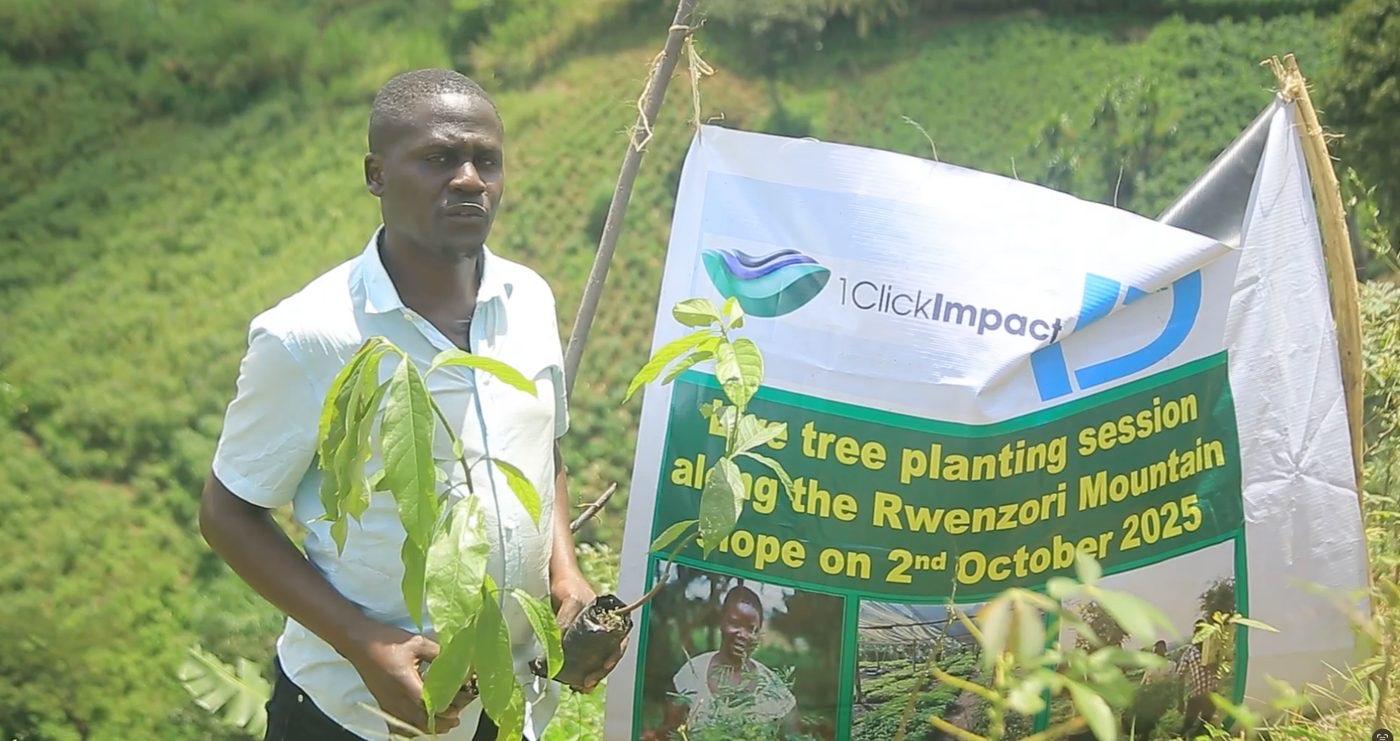
 Trees Planted
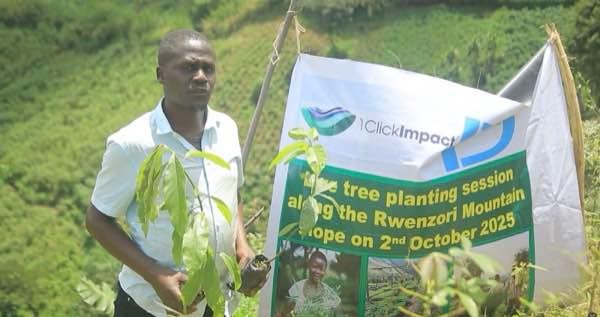
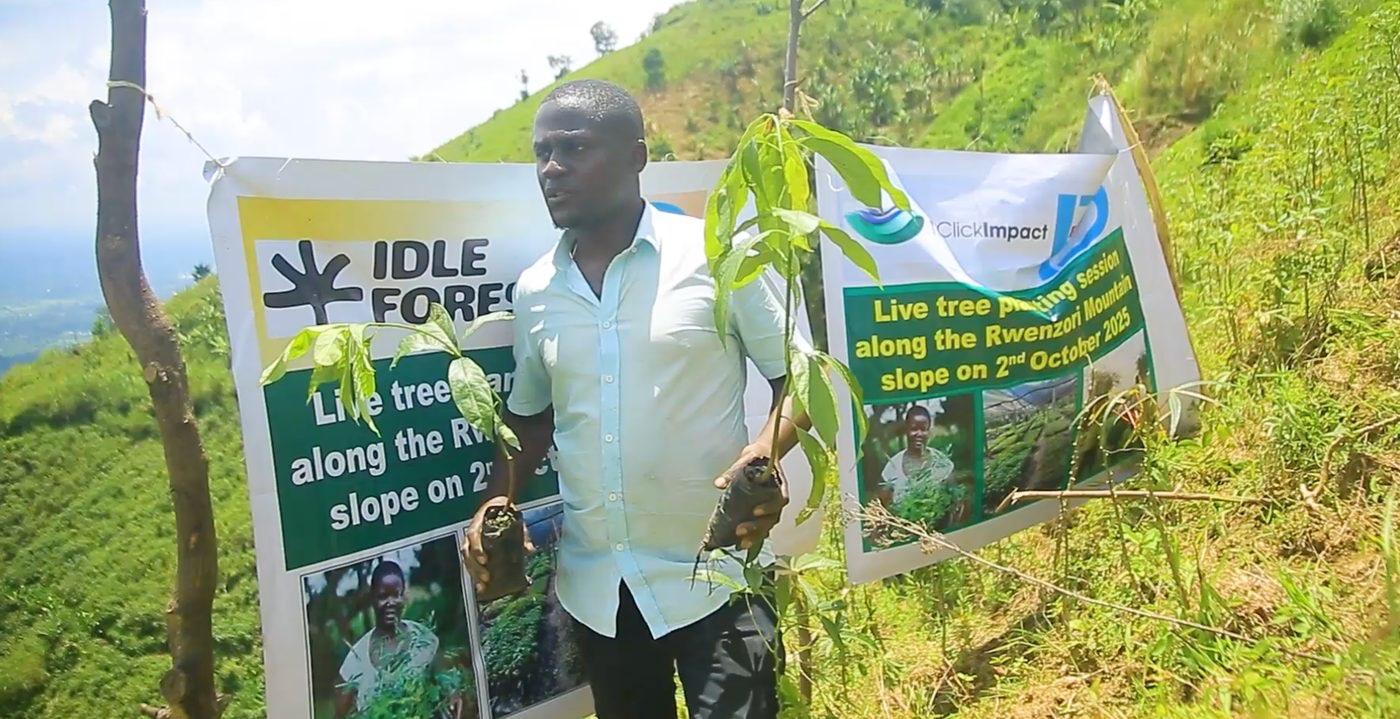
Dream International is a community-led tree and forest restoration in the Rwenzori Mountain region for ecosystem services, biodiversity, and climate resilience.
Live plantingLearn more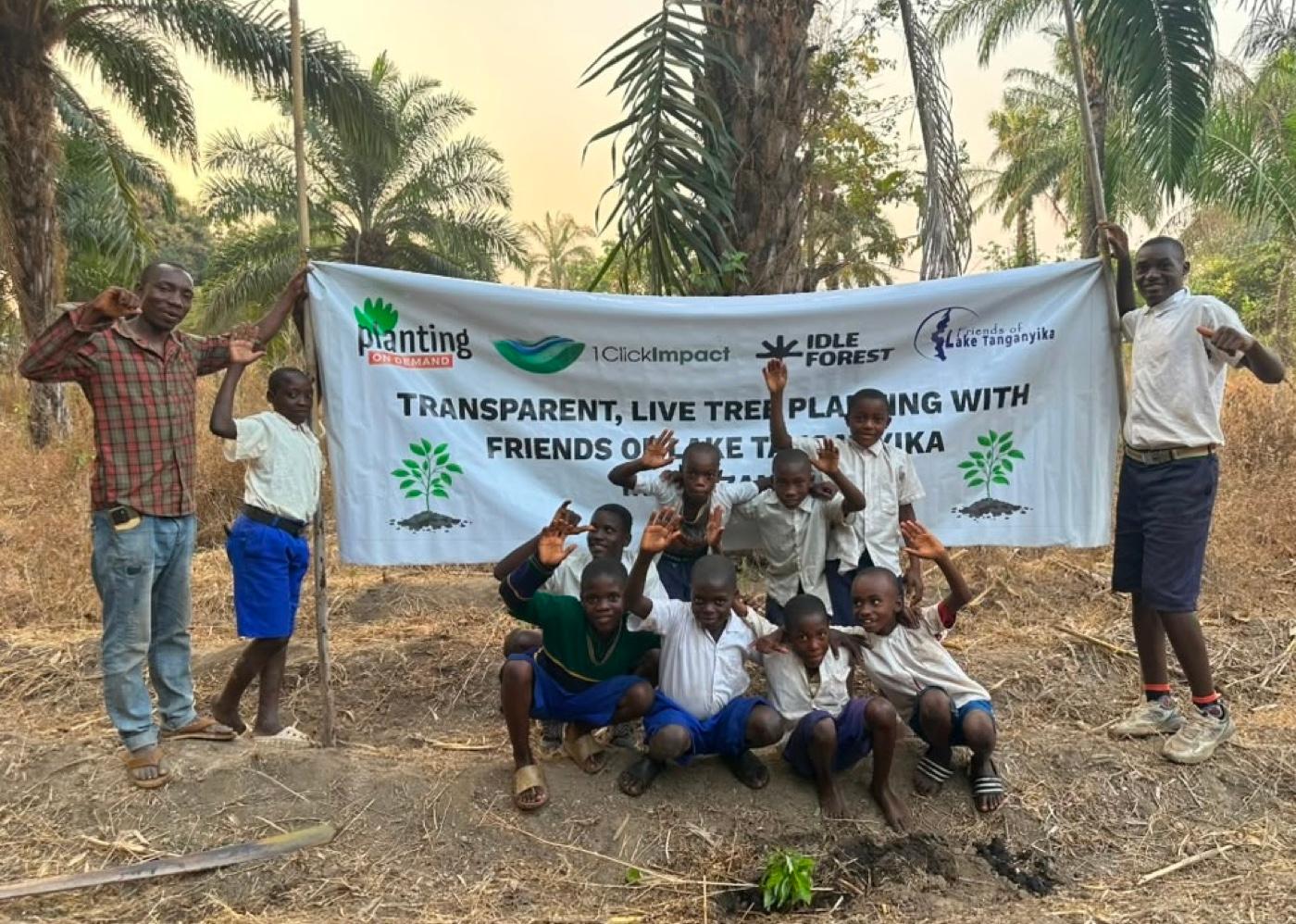 Trees Planted
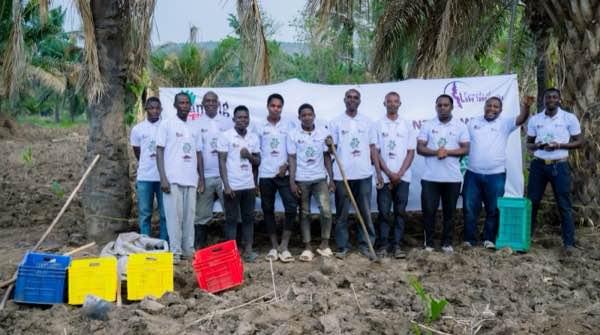
Friends of Lake Tanganyika (FOLT) is a community-based organization in Tanzania working to protect and restore the Lake Tanganyika ecosystem through reforestation and sustainable fishing practices.
Live plantingLearn more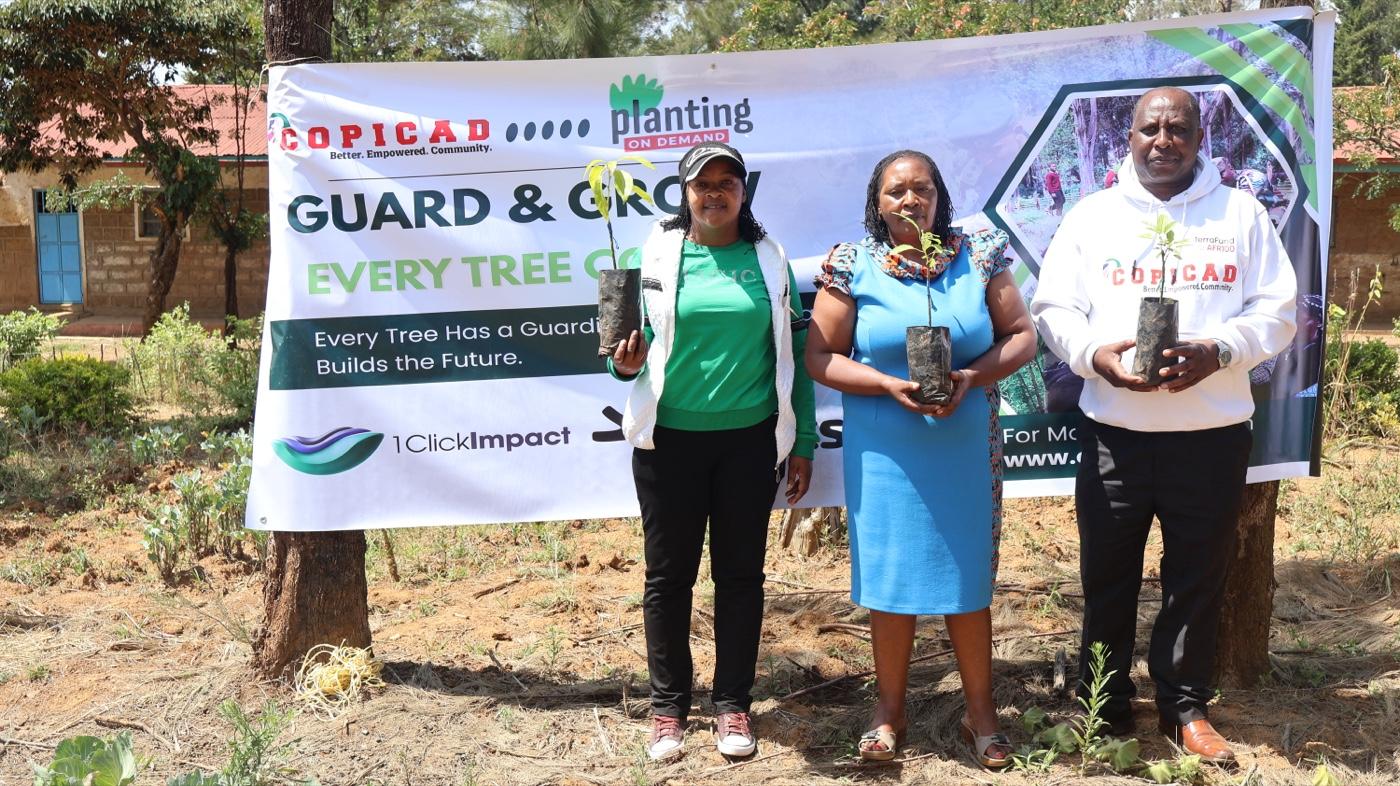 Trees Planted
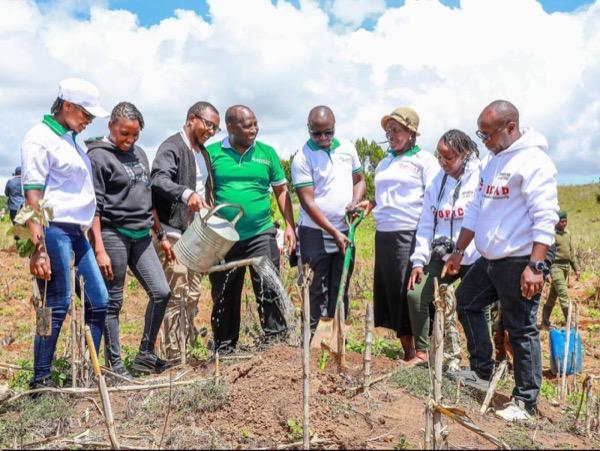
COPICAD restores forests and empowers communities in Kenya's Nyandarua County, planting indigenous trees in the Olbolosat Forest with over 90% survival rates across restoration sites.
Live plantingLearn more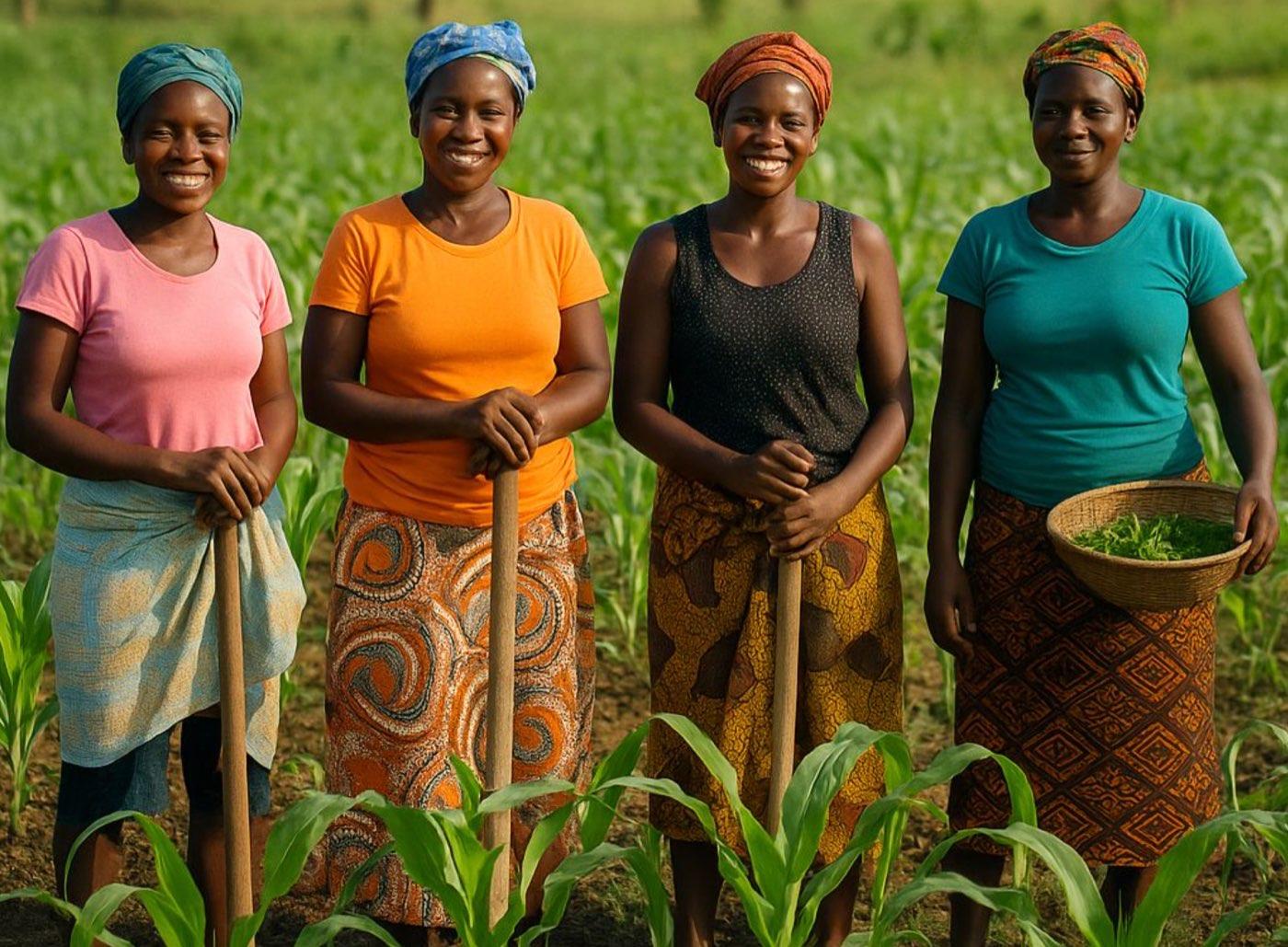 Trees Planted
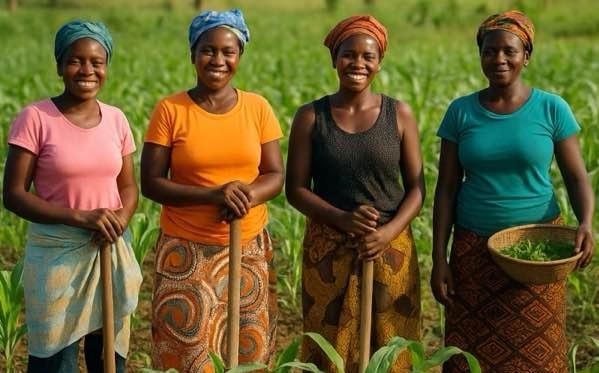
PRIDO empowers rural communities in Sierra Leone through sustainable farming, environmental conservation, and social equity, with a focus on women and youth.
Live plantingLearn more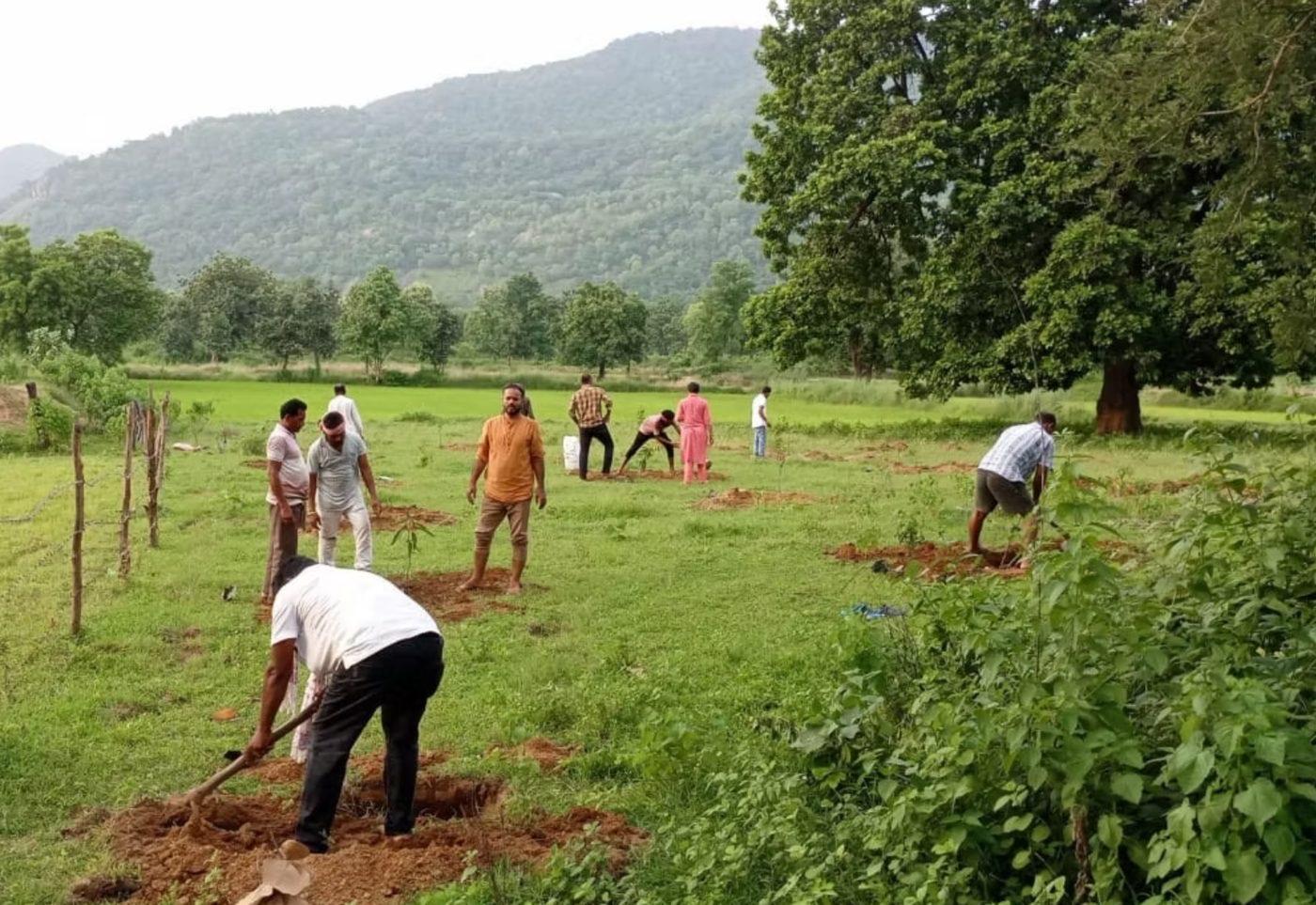 Trees Planted
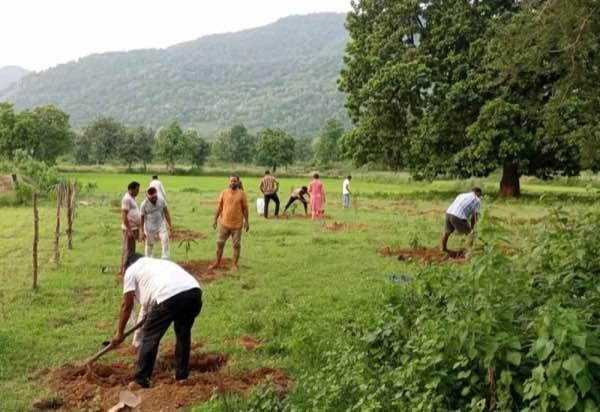
Sustainable Green Initiative (SGI) plants fruit trees on community lands, orphanages, and old-age homes-45 million trees across 16 Indian states with ~80% survival.
Live plantingLearn more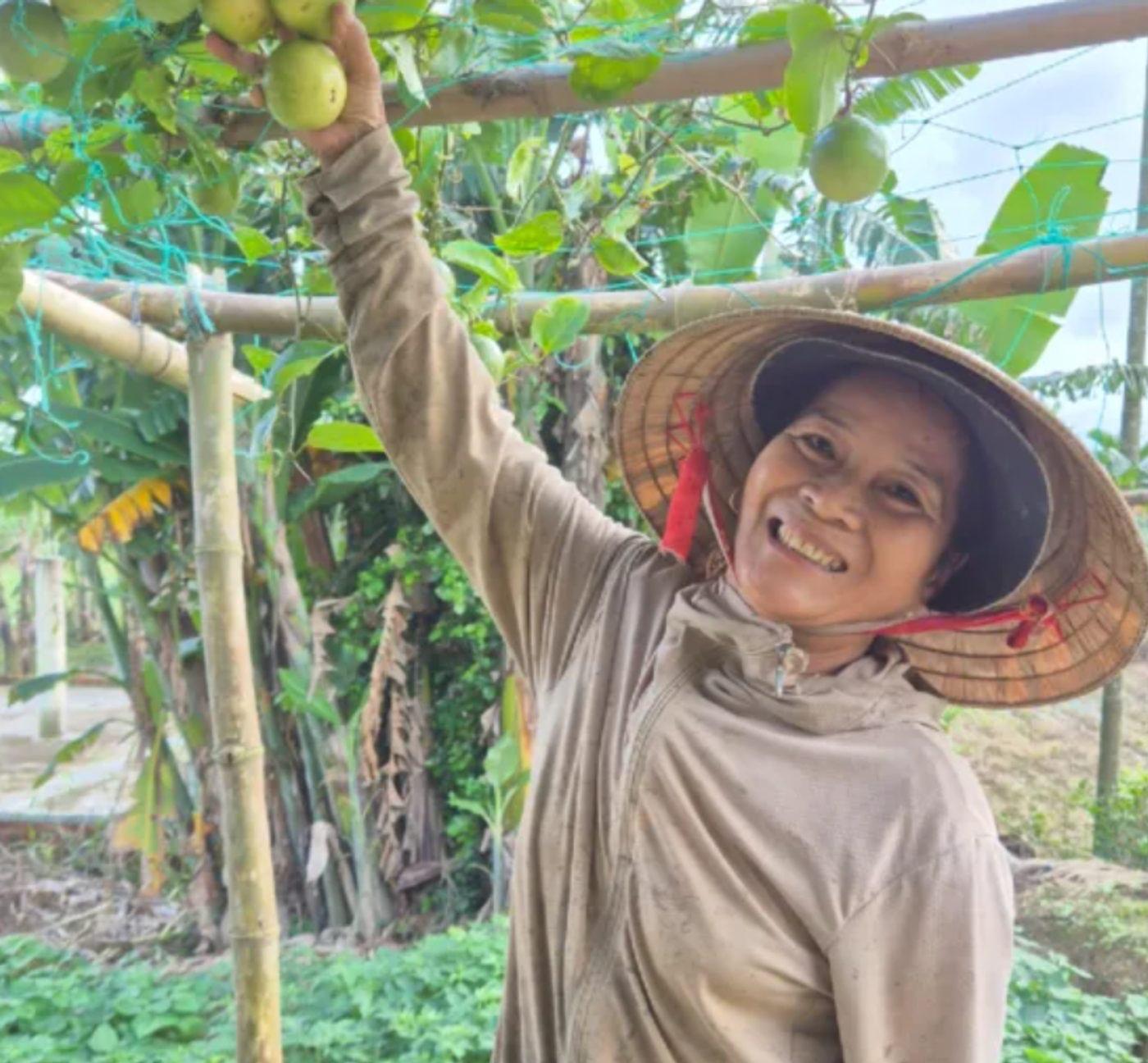 Trees Planted
Green Youth Collective (GYC) is a social enterprise running community learning centers for zero-waste farming, regenerative sustainability education, and youth/farmer engagement.
Live plantingLearn more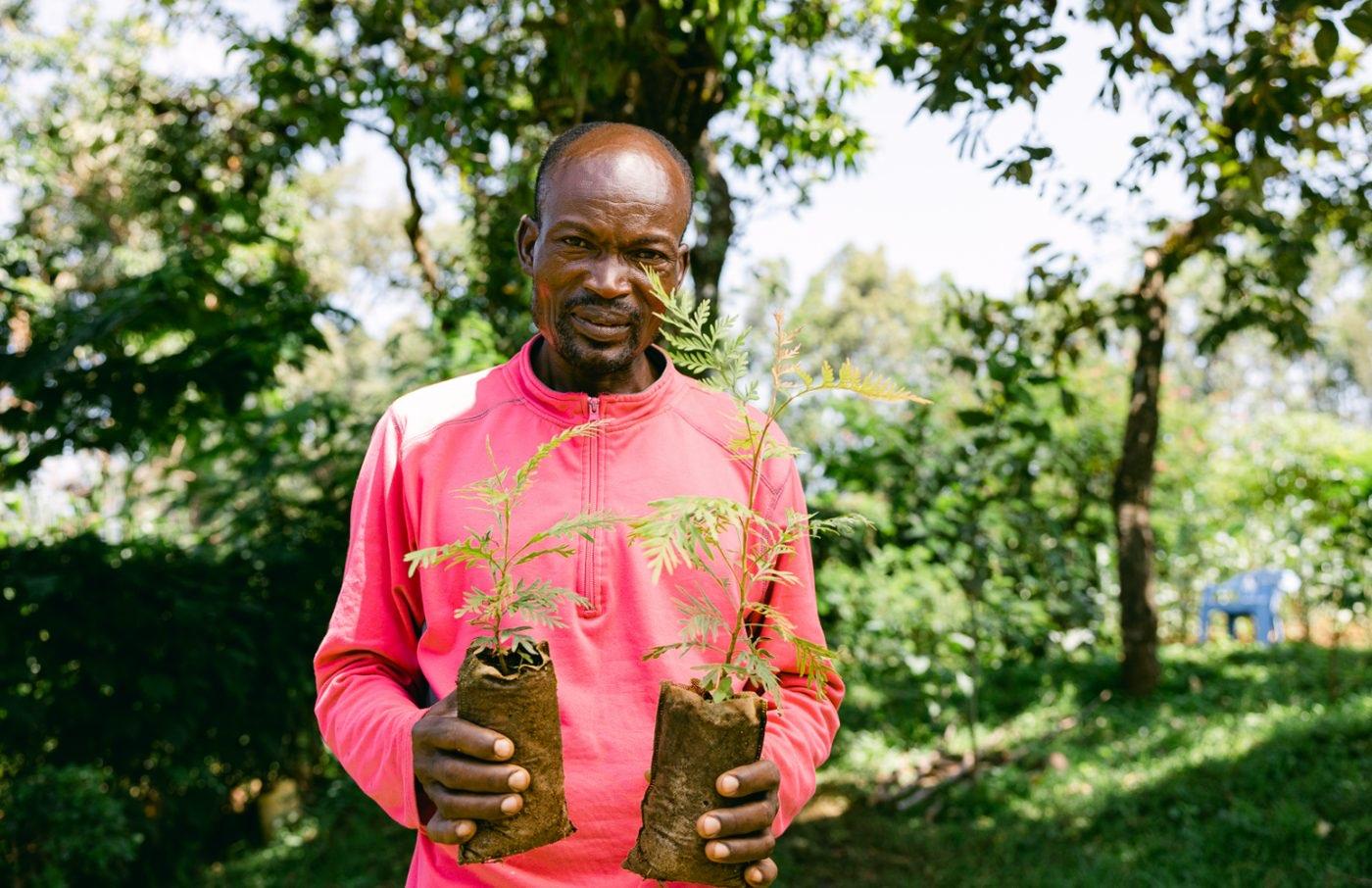 Trees Planted
TREES plants diverse species of trees through its Forest Garden Program, helping over 1,300 farmers restore land, boost biodiversity, and build long-term sustainable livelihoods in Kenya.
Learn more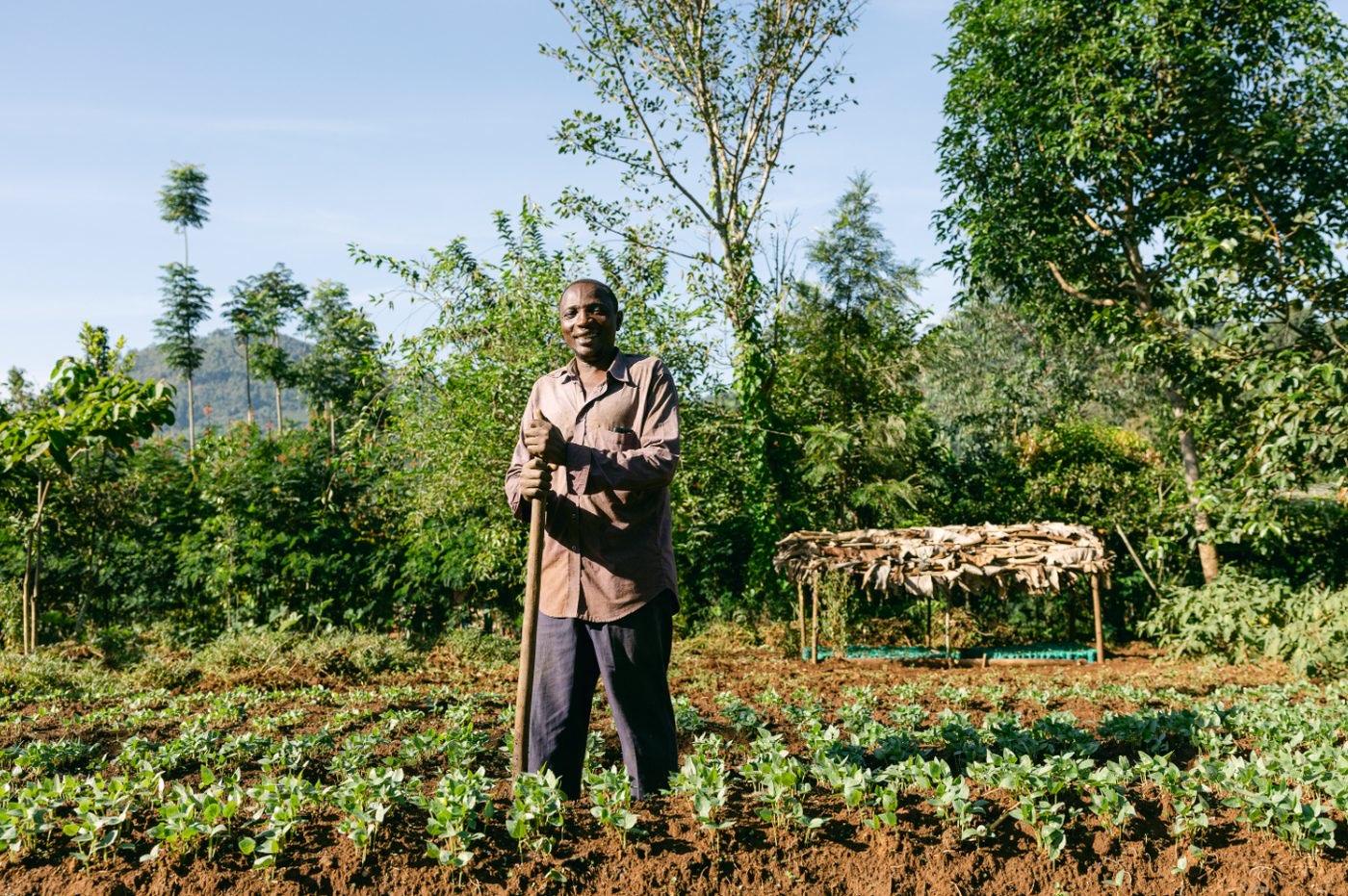 Trees Planted
TREES runs agroforestry projects as part of the Great Green Wall, helping farmers restore land, grow food, and support livelihoods through forest gardens.
Learn more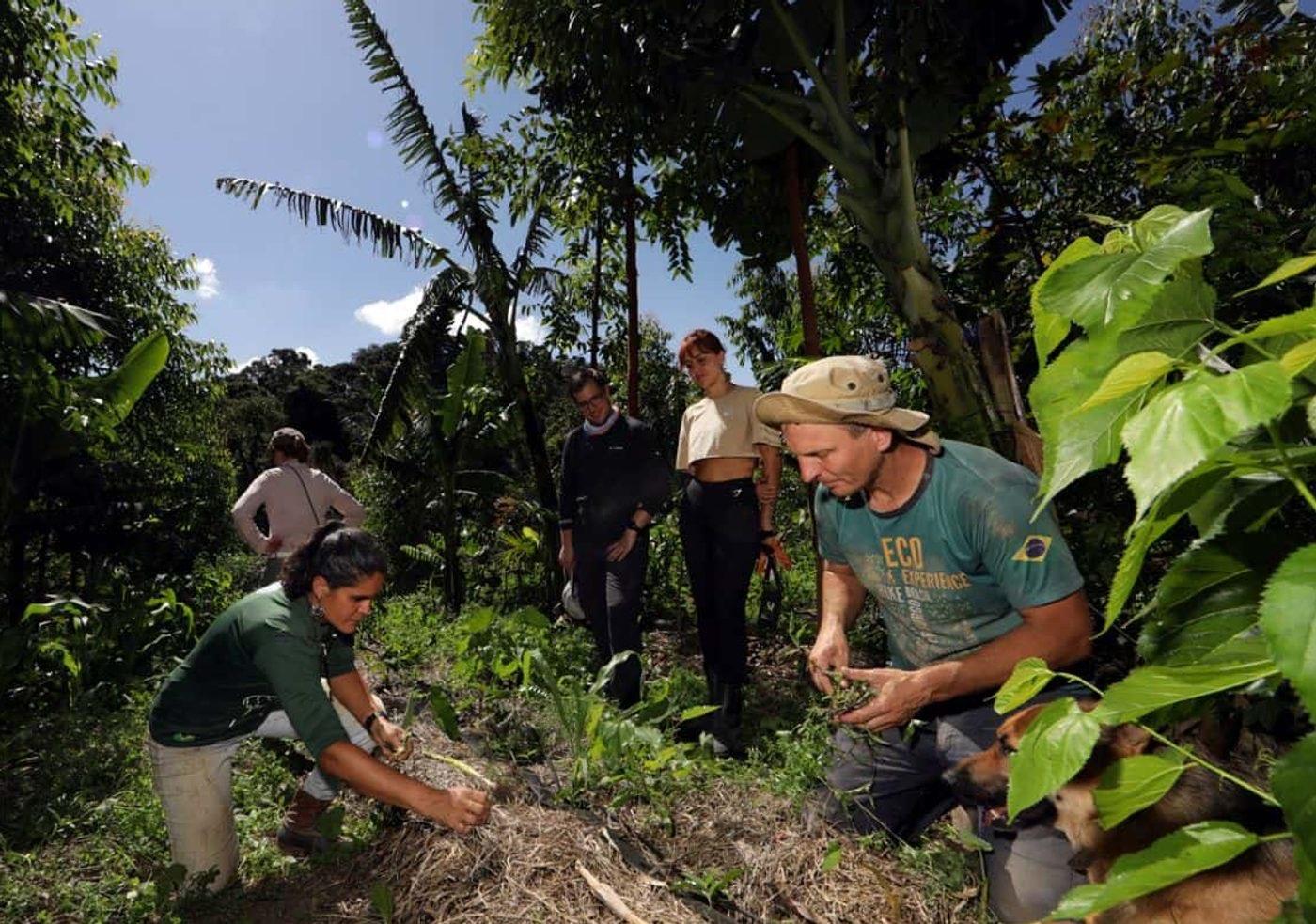 Trees Planted
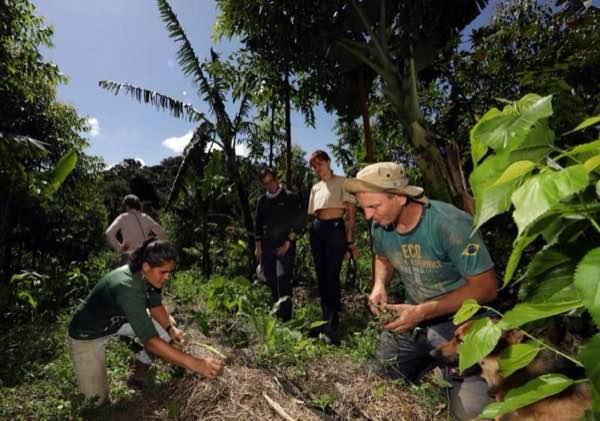
Eco Caminhos is a self-sustaining eco-farm providing permaculture, agroforestry, bioconstruction education and immersive experiences.
Live plantingLearn more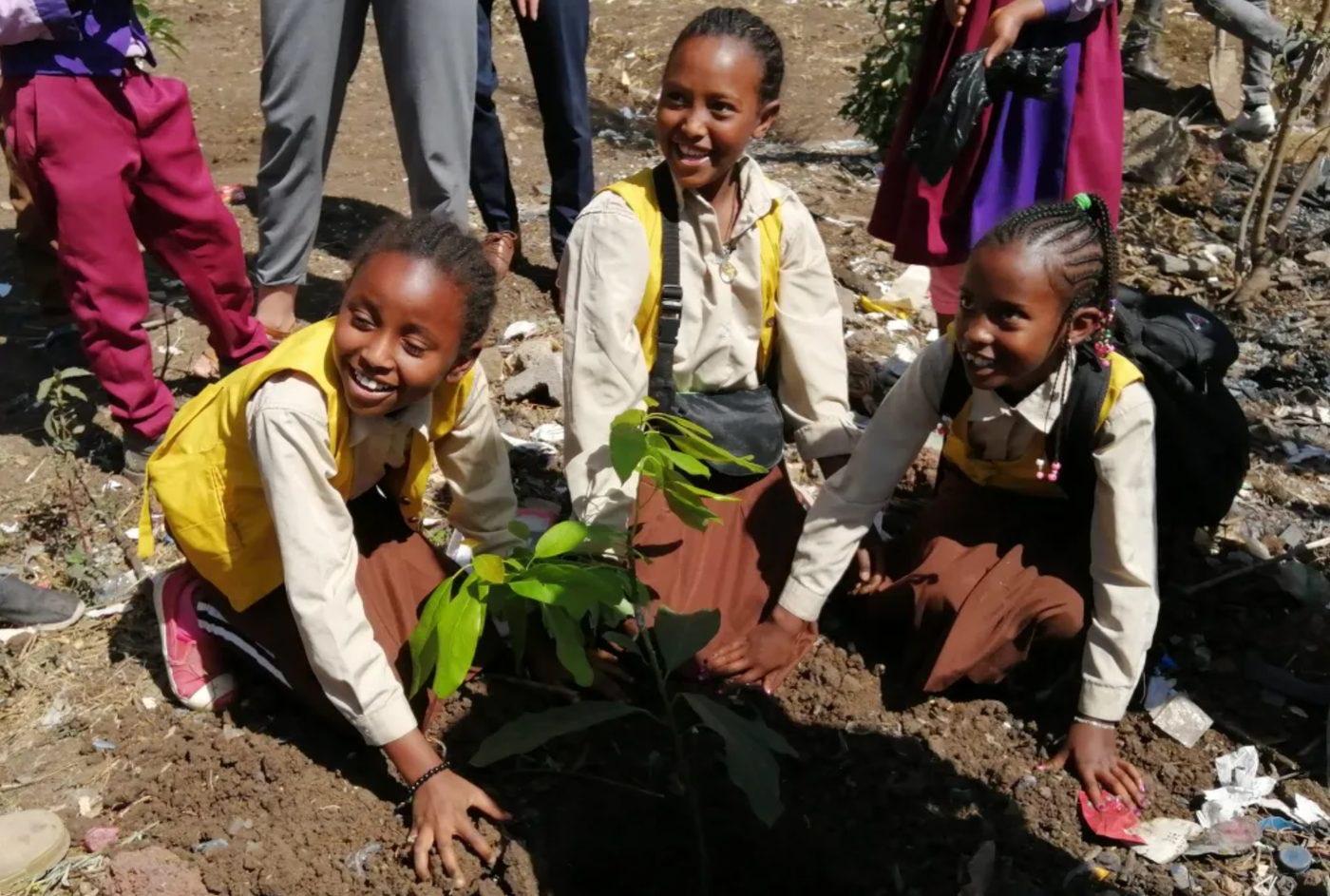 Trees Planted
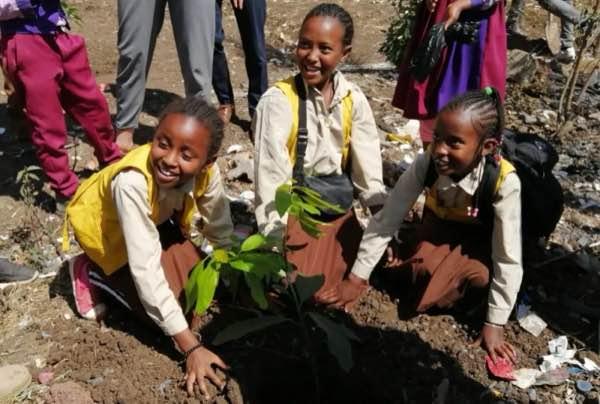
Food Secured Schools Africa (FSSA) converts unused school land in Ethiopia into organic gardens to support student nutrition and generate income for parents.
Live plantingLearn more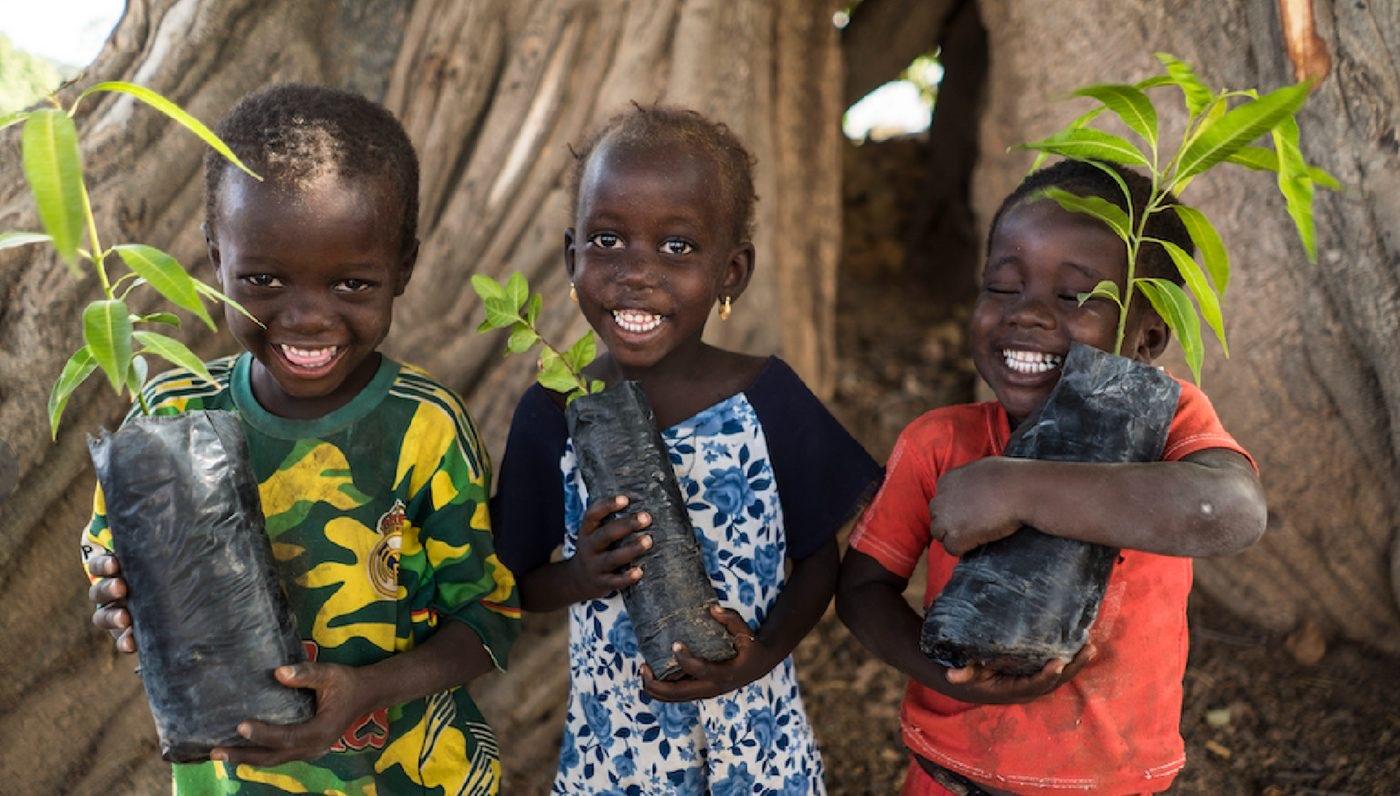 Trees Planted
Trees for the Future's Forest Garden Program trains smallholder families in Uganda to restore degraded land through agroforestry, growing food, income, and biodiversity.
Learn more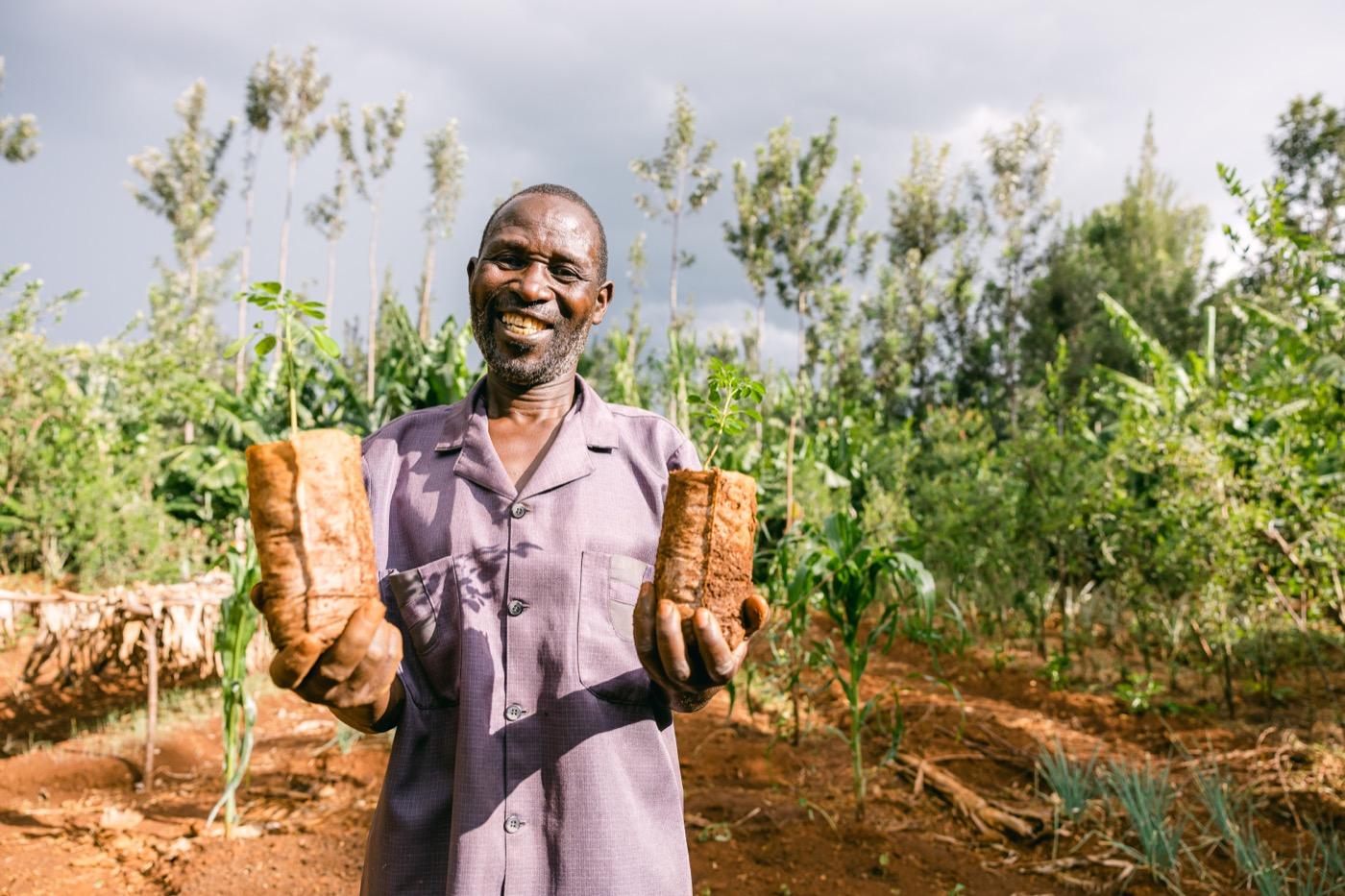 Trees Planted
Restoring degraded farmland across Tanzania's Simiyu and Mwanza regions with the Forest Garden Approach - training smallholder farmers to grow diverse trees and crops that rebuild soil, food security and income.
Learn more Trees Planted
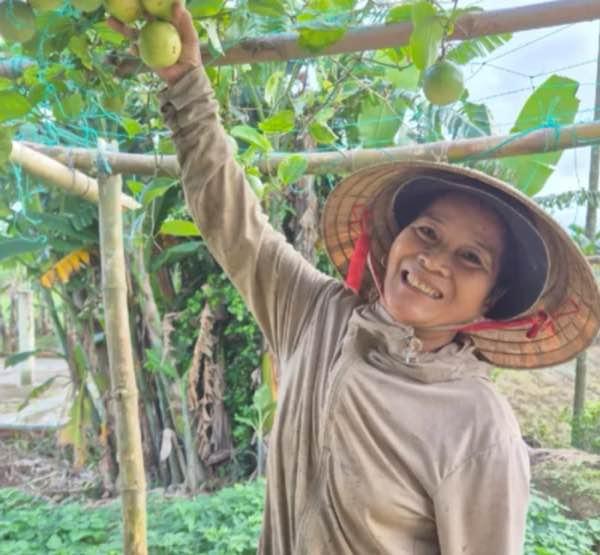
Planting Kesar mango orchards with small-scale farmers in Sri Sathya Sai District, Andhra Pradesh - drip-irrigated fruit trees that, within a few years, give families a lasting harvest and a reliable income.
Learn more8 of these projects plant live.
Food trees come with access to live and recorded planting sessions with Planting On Demand. Join from anywhere and watch your trees go in the ground.

Ocean Cleaned
5 projects · 5 countriesPlastic collected from coastlines and communities through Plastic Bank's collection network.
 Ocean Cleaned
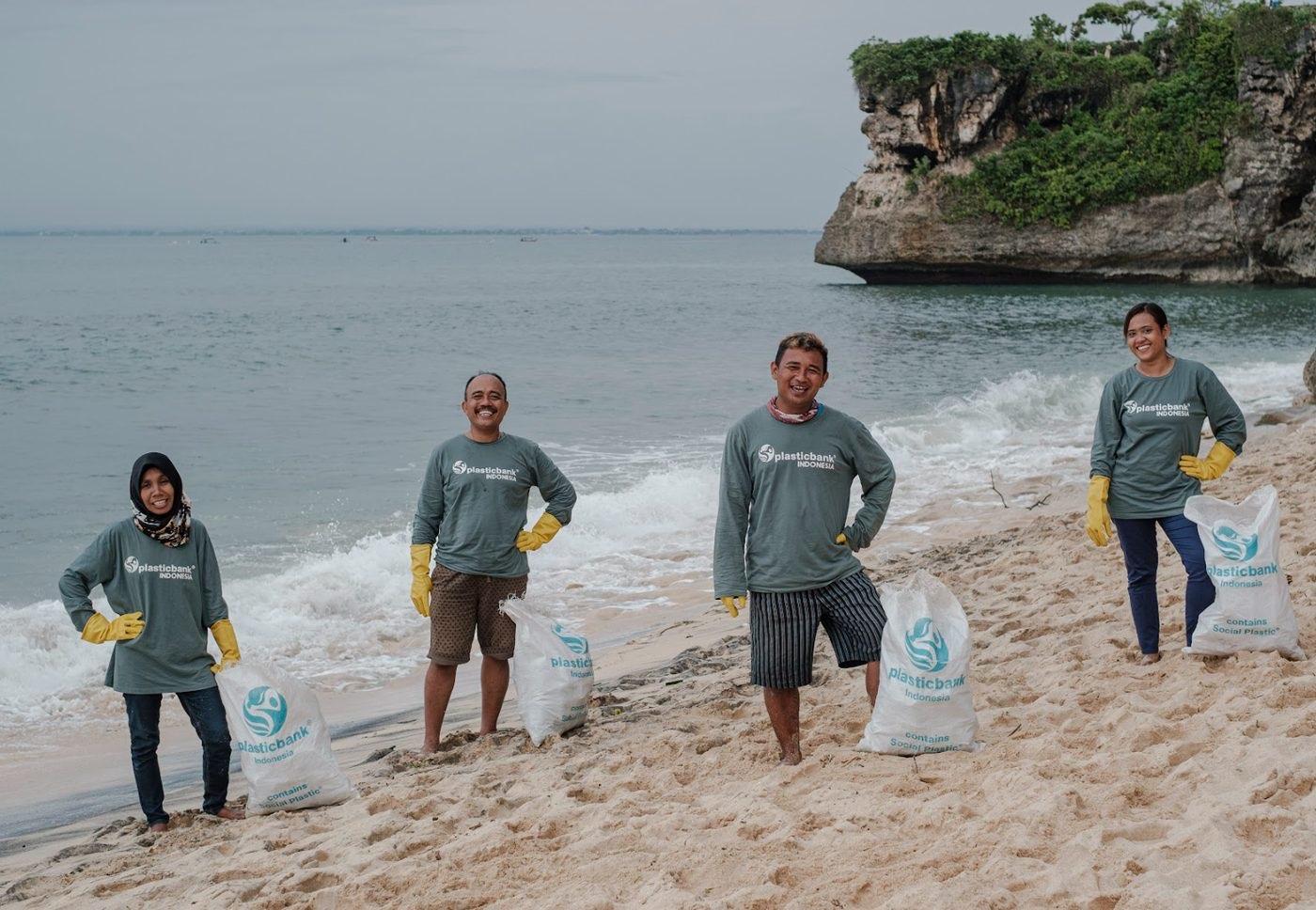
Since launching in 2018, Plastic Bank Indonesia has empowered 806 collection communities, offering health, life insurance and grocery support while recovering ocean-bound plastic.
Learn more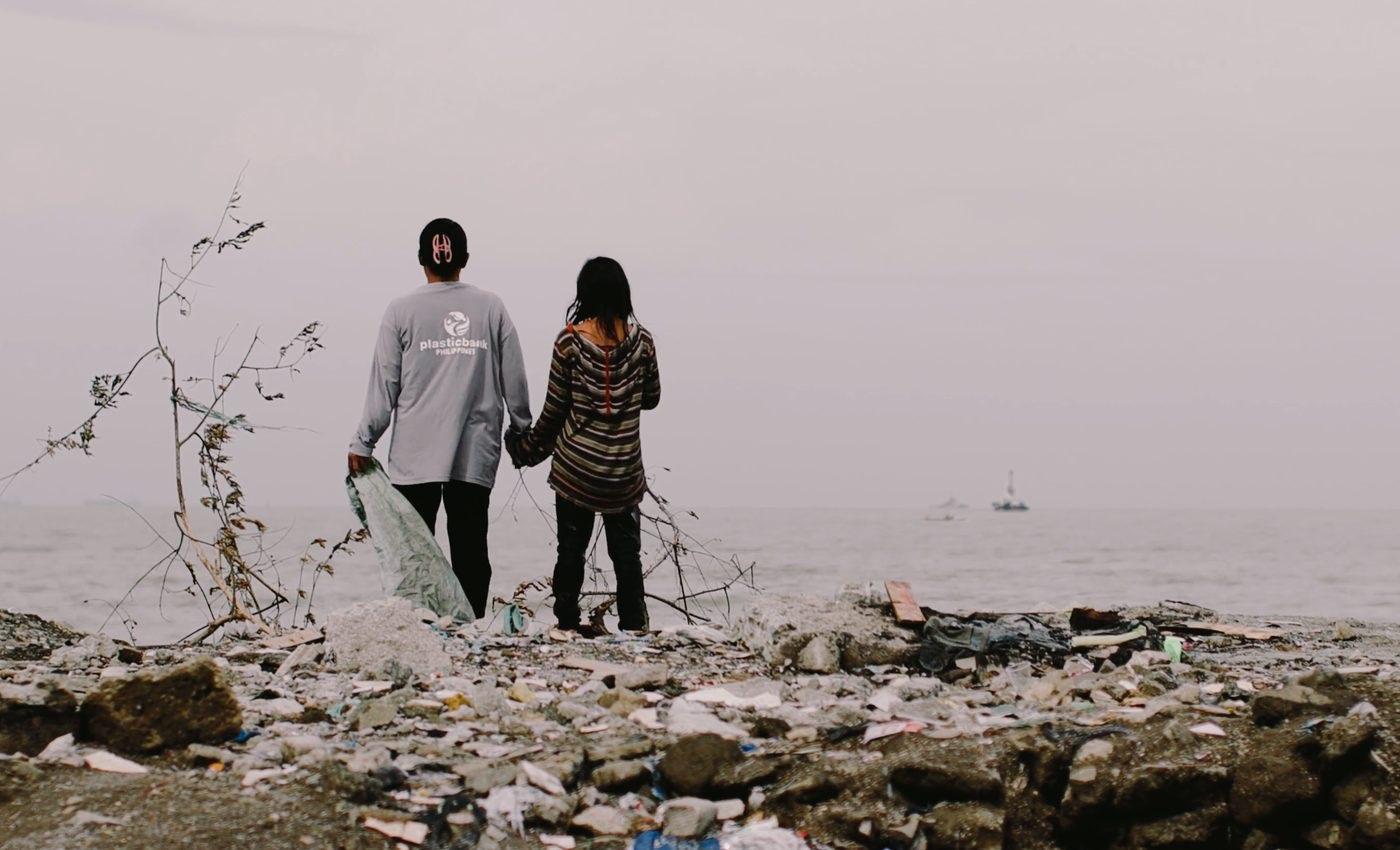 Ocean Cleaned
Plastic Bank Philippines began in 2016, now supports 692 communities, providing grocery vouchers, Red Cross insurance, and consistent plastic collection to halt ocean pollution.
Learn more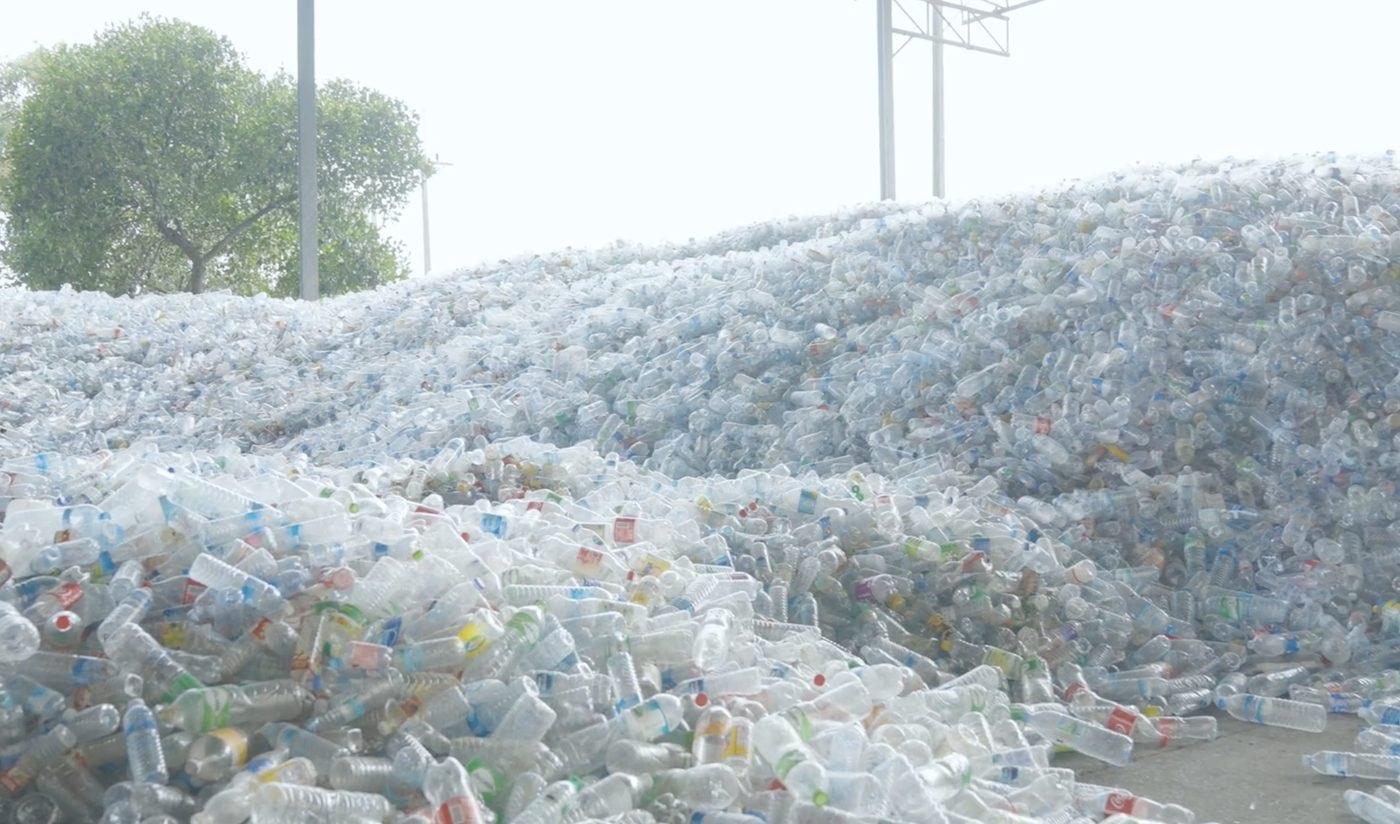 Ocean Cleaned
Launched in 2023, Plastic Bank Thailand builds coastal collection networks to intercept ocean-bound plastics and create local income.
Learn more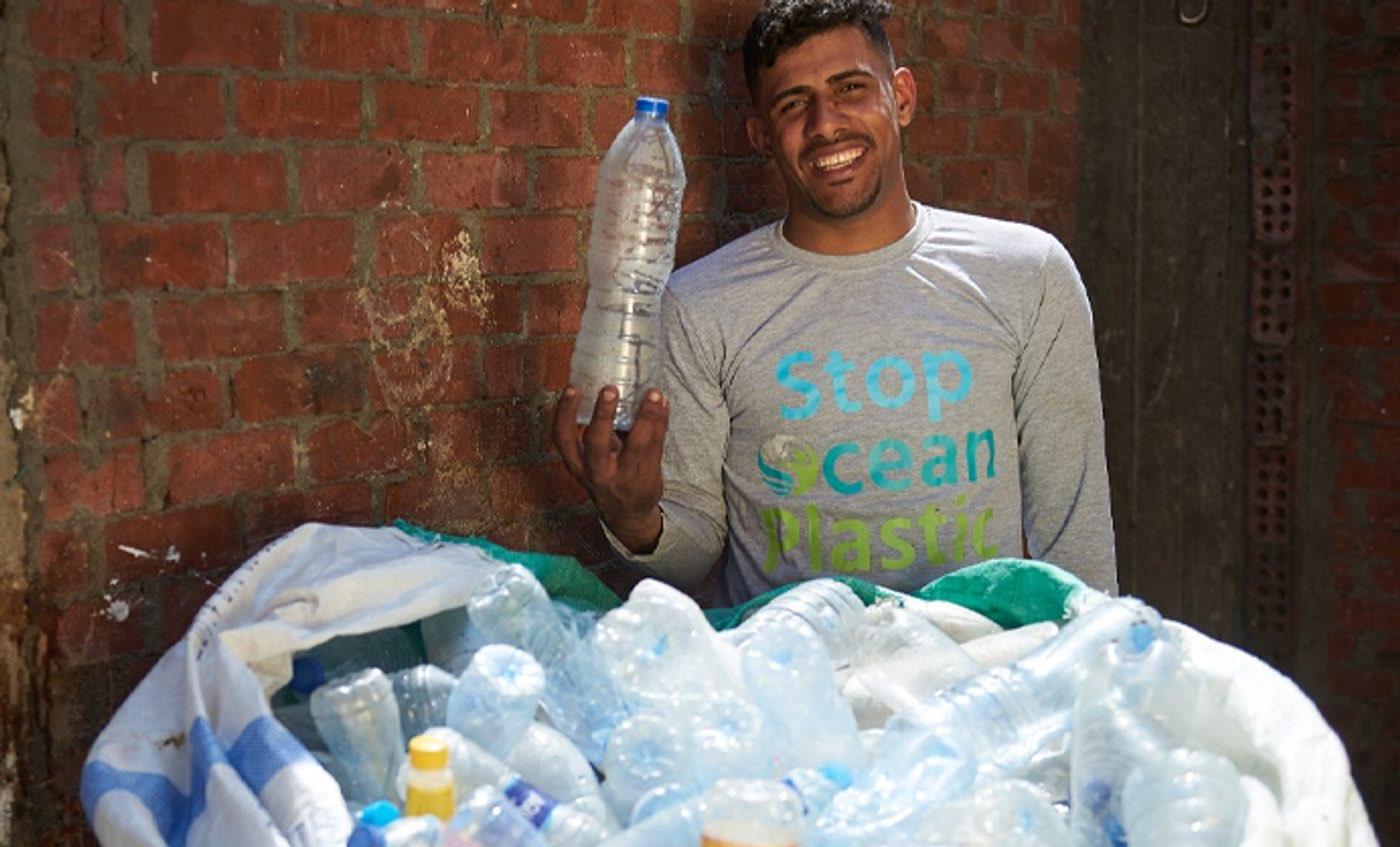 Ocean Cleaned
Active since 2020, Plastic Bank Egypt's 314 collection members have gathered >20 M kg of plastic (~716 M bottles), earning income and social benefits through coastal cleanup.
Learn more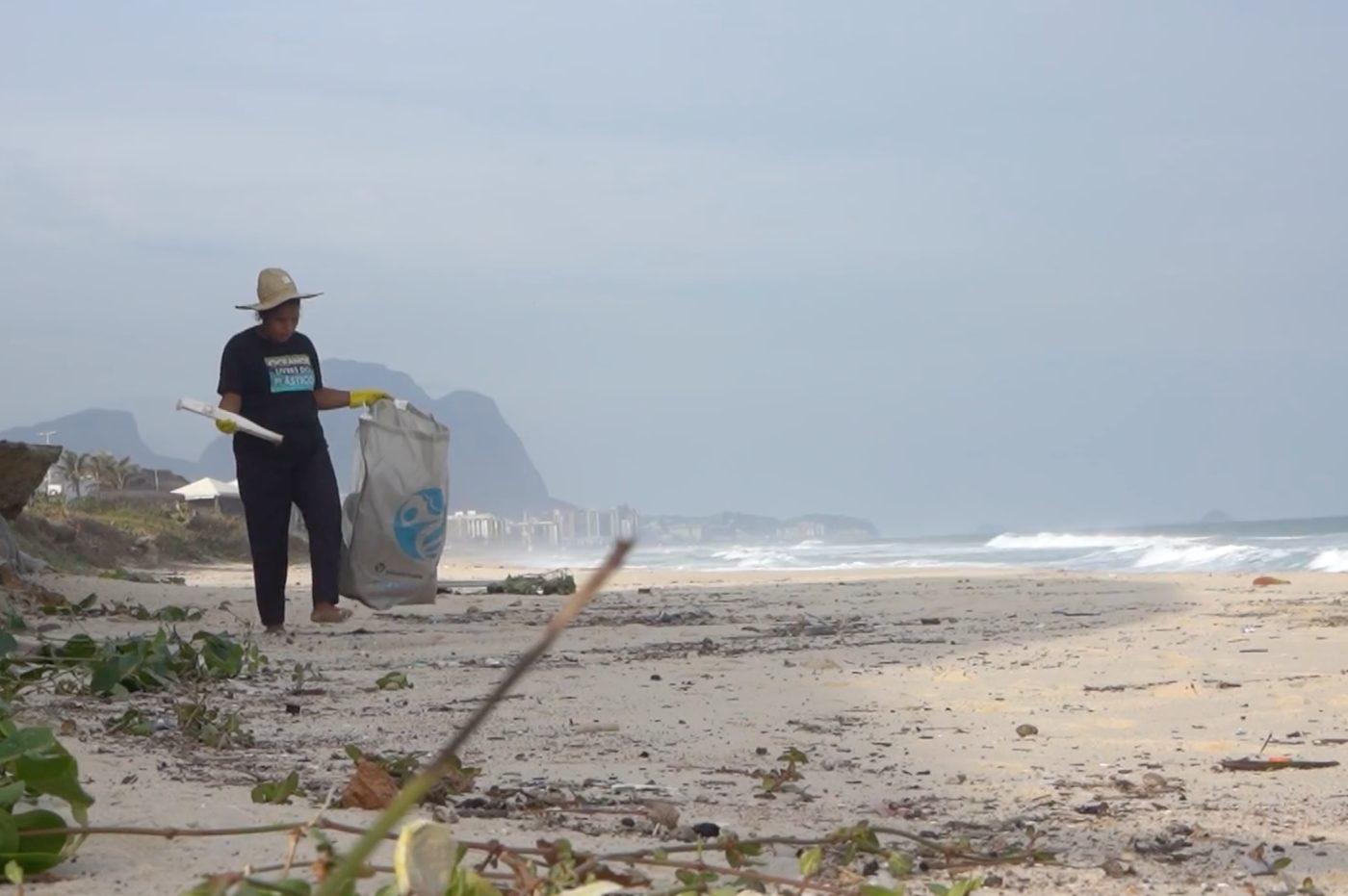 Ocean Cleaned
Plastic Bank Brazil intercepts ocean-bound plastic along Rio de Janeiro's coast, empowering collectors with fair income, health benefits, and insurance while removing tonnes of plastic from coastal communities.
Learn more1 lb≈ 23 plastic bottles
Plastic is intercepted before it reaches waterways by Plastic Bank collection members in 5 countries, who are paid fairly for what they bring in.
How ocean cleanup works
Carbon Captured
5 projects · 4 countriesCO₂ removed from the air and permanently stored.
 Carbon Captured
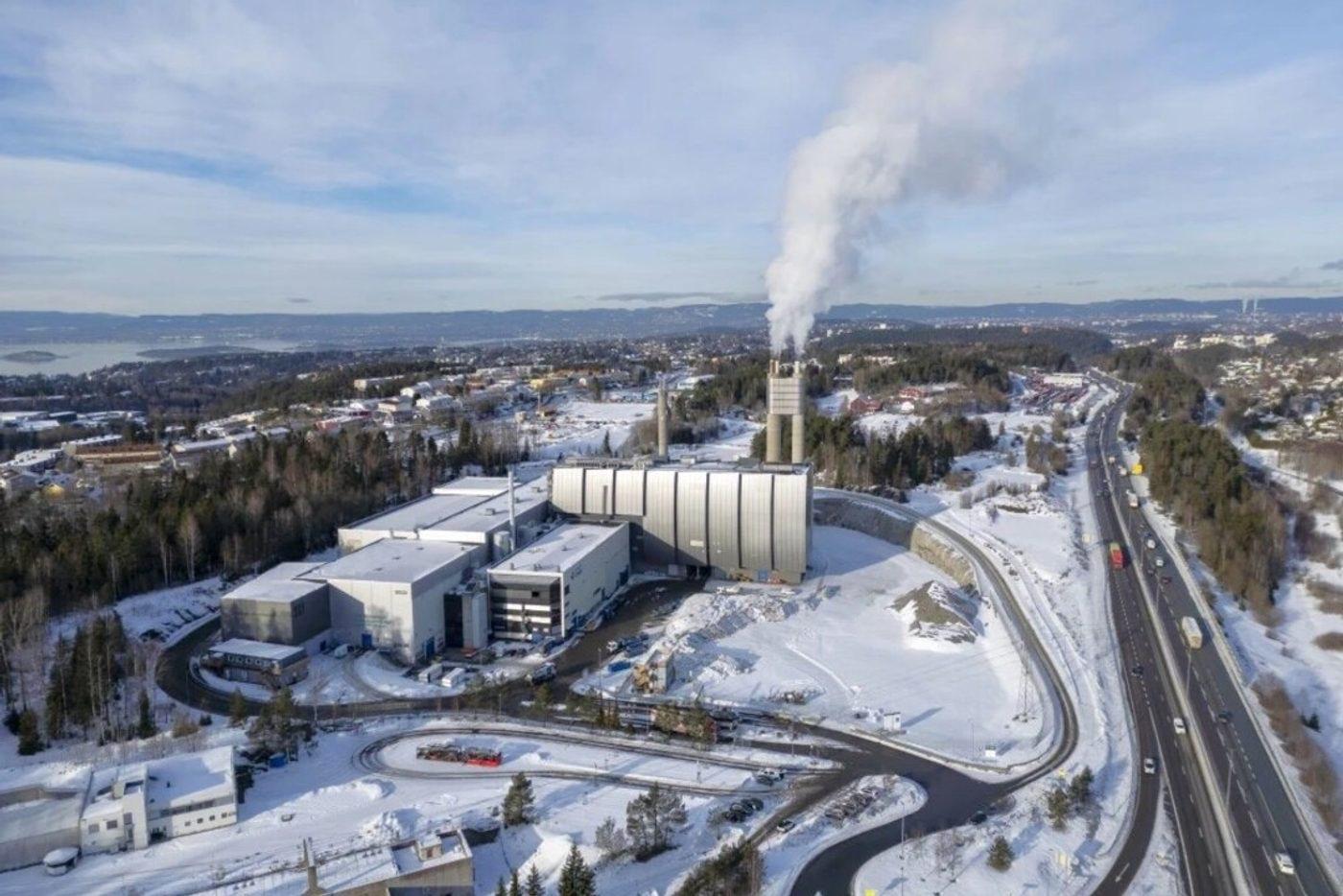
Norway's largest district heating provider, Hafslund Celsio, is retrofitting its Klemetsrud waste-to-energy plant to capture CO₂, which will be shipped from Oslo to the North Sea for permanent underground storage.
Biomass storageLearn more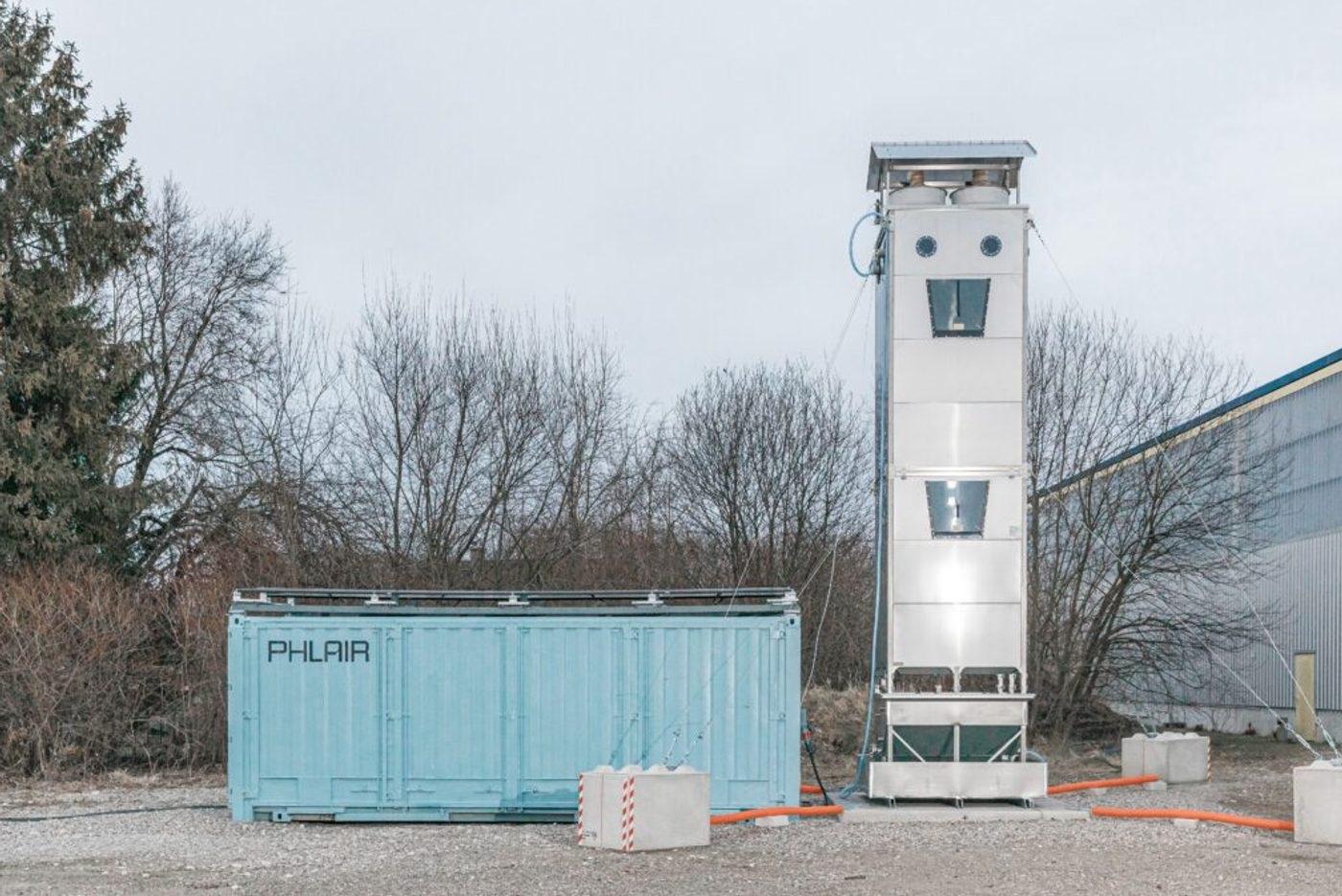 Carbon Captured
Phlair leverages a flexible, solar-optimized electrochemical process to capture and release CO₂ while minimizing capital costs through existing supply chains.
Direct air captureLearn more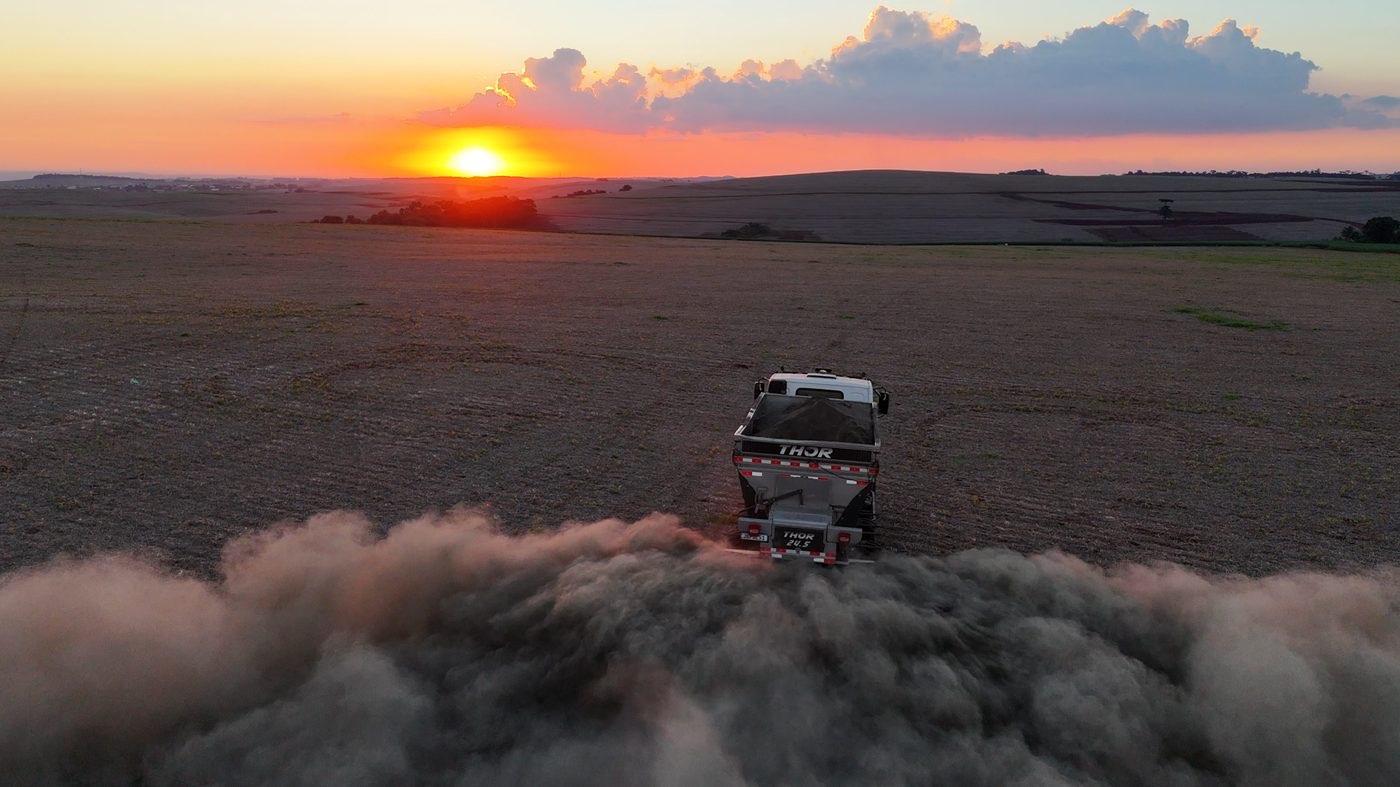 Carbon Captured
Terradot applies basalt on Brazilian farmland for CO₂ removal and soil restoration, using ideal climate conditions and government-backed incentives to drive adoption.
Field weatheringLearn more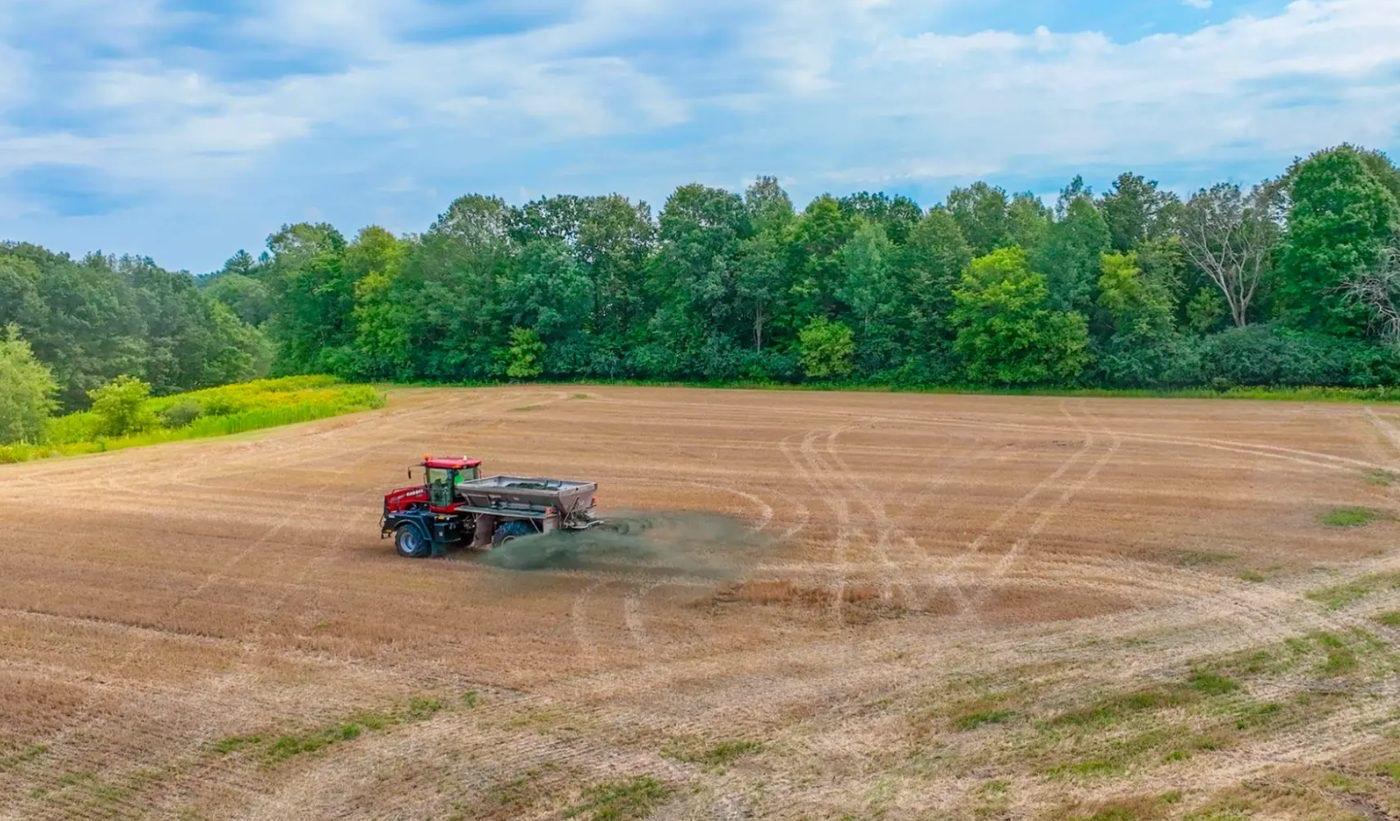 Carbon Captured
Lithos spreads crushed basalt on farmland to capture CO₂ through enhanced weathering, using quarry by-products and advanced soil sampling for precise measurement.
Field weatheringLearn more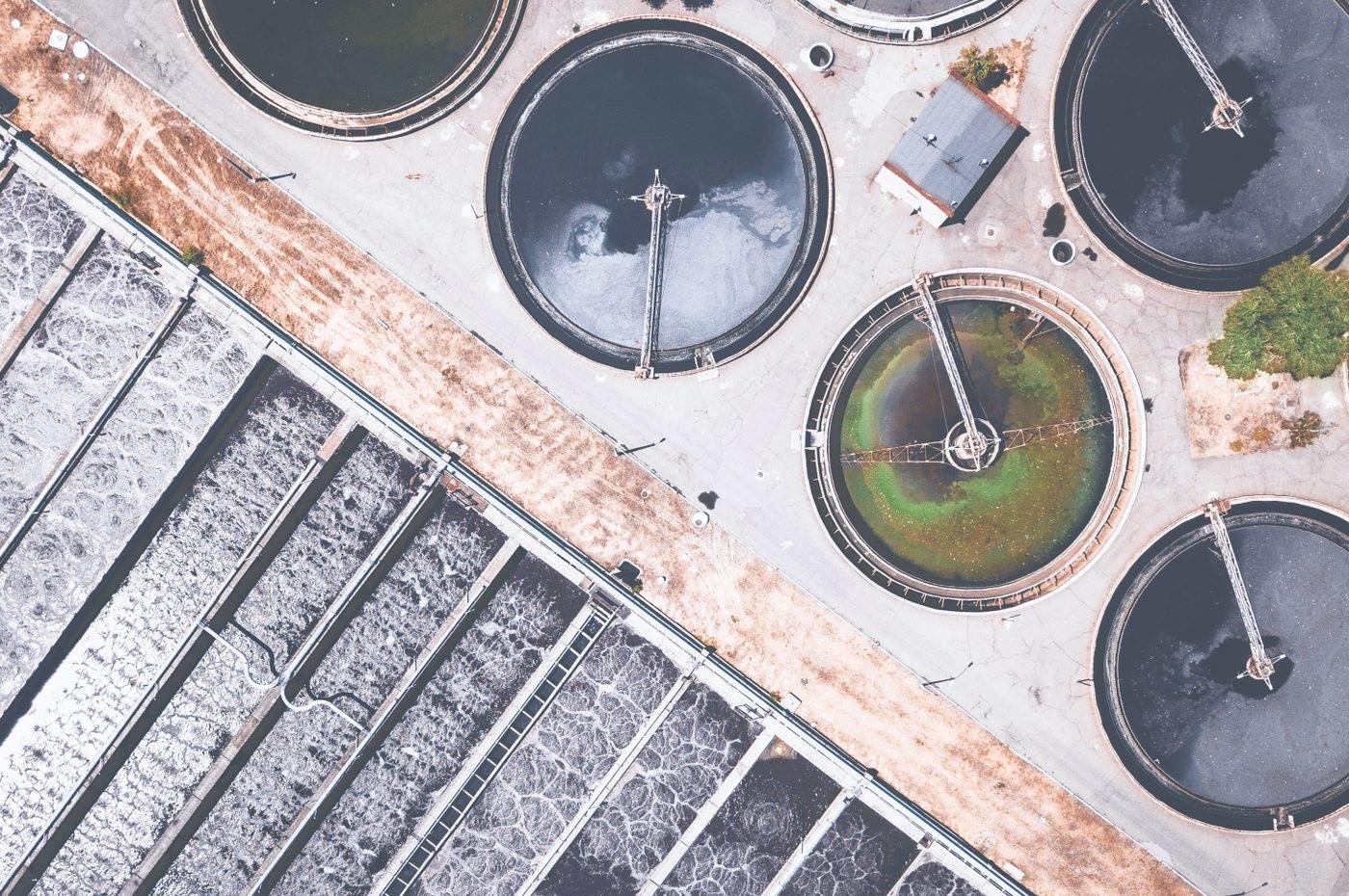 Carbon Captured
Vaulted Deep injects untreated, high-moisture organic waste deep underground, turning a disposal problem into a scalable, low-cost carbon storage solution.
Biomass storageLearn moreThree ways carbon gets locked away for good
- Biomass carbon removal & storageNorway · Texas
- Direct air captureGermany
- Field weatheringBrazil · Pennsylvania
Coral Restored
3 projects · 3 countriesReefs rebuilt fragment by fragment with Mossy Earth and Coral Gardeners.

 Coral Restored
Restoring the fragmented reef in the Nusa Penida Marine Protected Area, Indonesia, stabilising coral rubble with modular reef structures and replanting naturally-dislodged fragments to kickstart recovery.
Learn more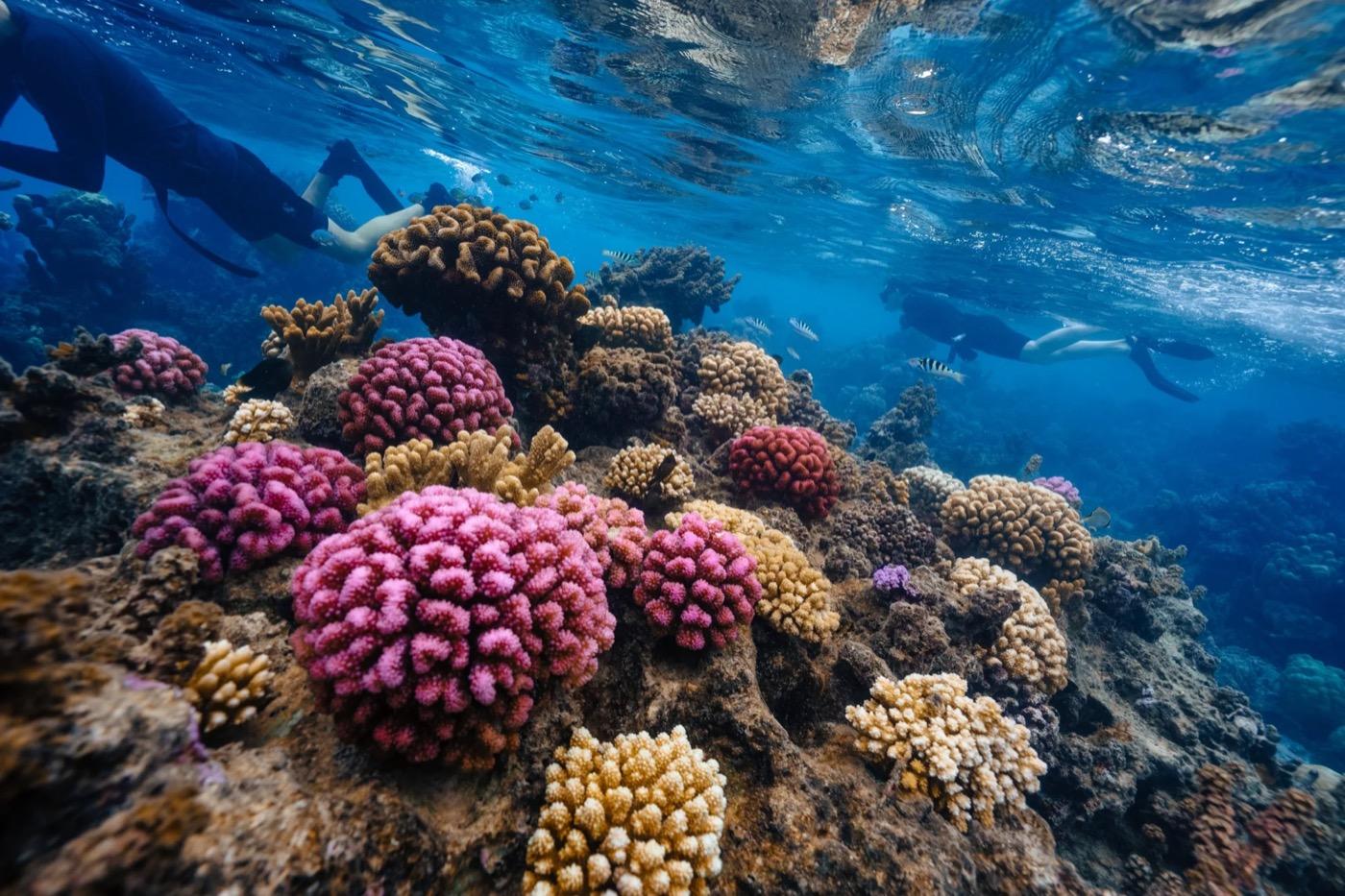 Coral Restored
Growing climate-resilient 'super corals' in lagoon nurseries around Mo'orea and outplanting them to rebuild French Polynesia's reefs - with every coral adopted and tracked.
Learn more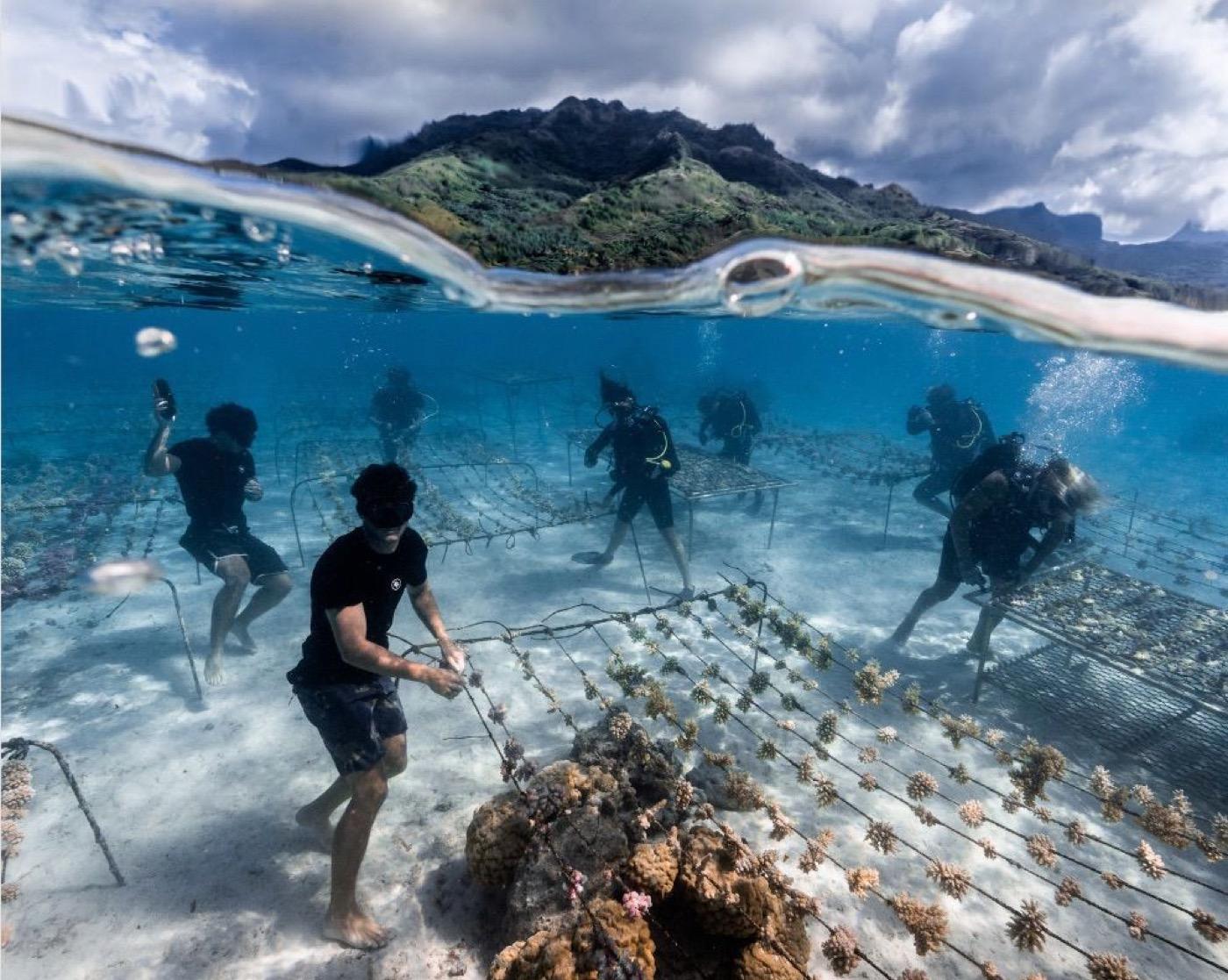 Coral Restored
Restoring reefs around Malolo Island in Fiji's Mamanuca Islands - collecting resilient fragments, growing them in underwater nurseries and outplanting them to rebuild coral cover and life.
Learn more
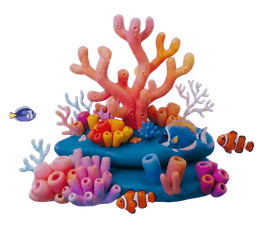
15fragments
knit together into 1 reef structure, about 2,160 cm² of living reef.
Every project, on one map
Each pin is a partner team doing the work on the ground, from the Rwenzori Mountains to Mo'orea.
Follow your contribution all the way to the field
Every project on this page reports back the same way, so you never have to take anyone's word for it.
- Impact initiatedYour request is recorded the moment you click.
- Donation receivedFunds are received and ready for transfer.
- Transferred to partnerSent to the team on the ground, with a receipt.
- Impact completedVerified in the field, with photos and a certificate.
- Photos & location
- Donation receipts
- Impact certificate
- Live sessions where available
 real impact, on record
Impact Certificate
Awarded to
Sample Customer
Impact made possible by
 Your Brand
Trees Planted
10 food trees
Sample project site
Sample impact partner
August 19, 2026

follow it yourself
Scan the code or click here to track your impact
Certificate issued by

On August 12, 2026
Certificate No: SAMPLE-CERTIFICATE
the certificate each contribution earns


Pick a project. Make it yours.
Start with a single tree, or plug verified impact into your business in minutes.