


Regular Trees
from $0.40 a treeNative species for forest restoration and biodiversity
- Helps combat climate change
- Restores natural habitats
- Prevents soil erosion
- Supports biodiversity
 Delivered viaTrees for the FutureVisit
Transparent environmental action, verified and tracked in real time.
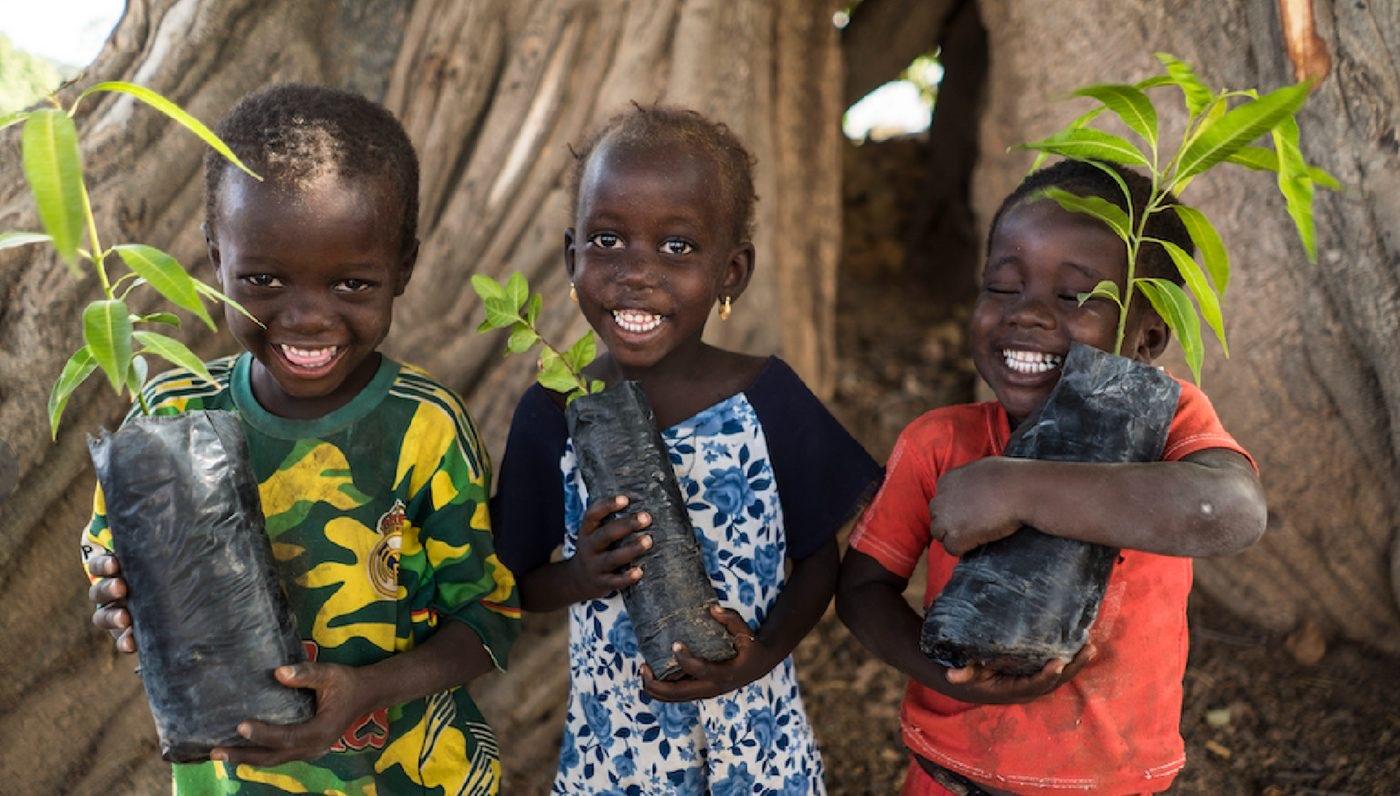
Trees for the Future, Senegal
Four ways your contributions reach the ground. Explore real stories, verified data and the communities your contributions support.
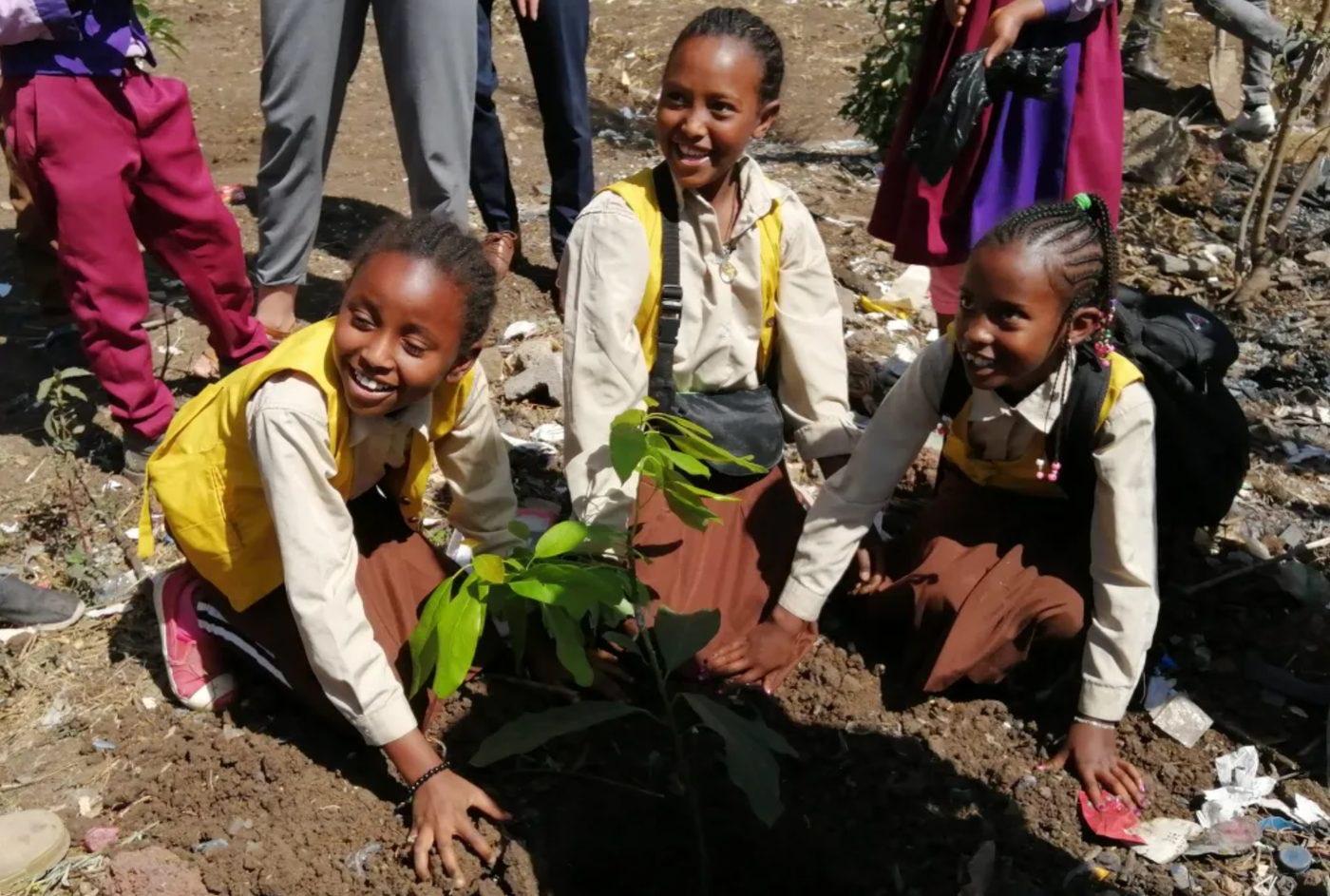
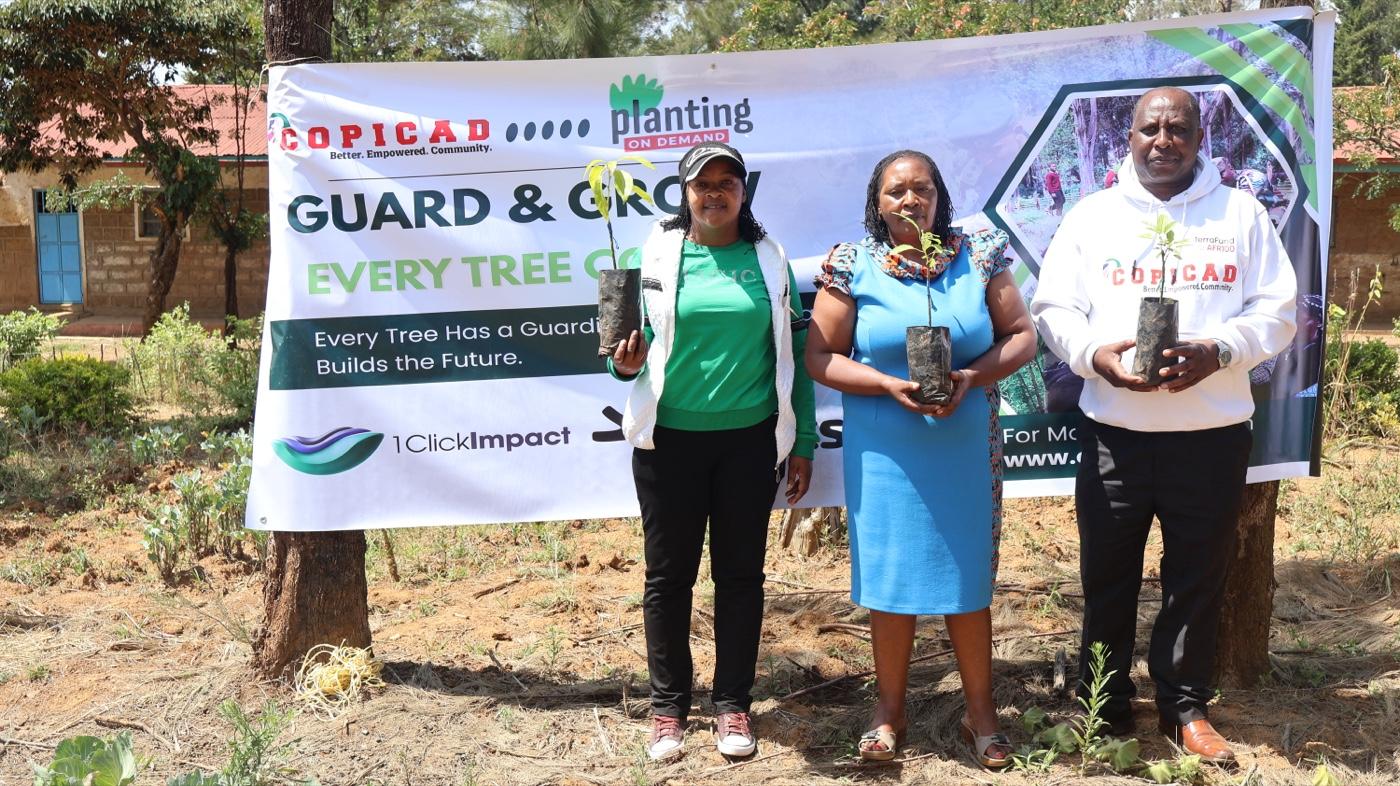
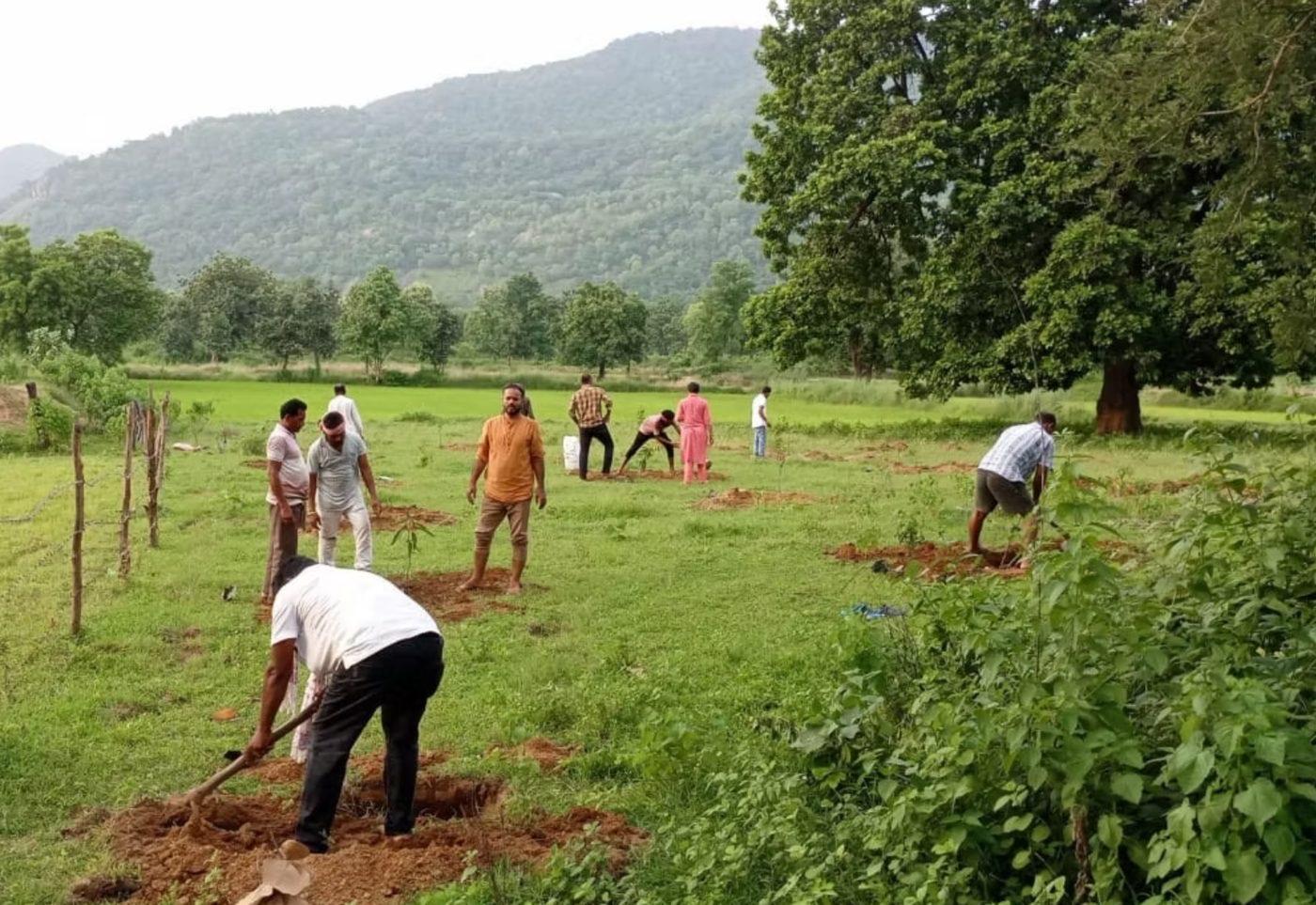
Every tree planted creates a ripple effect that transforms entire ecosystems. Through our partnerships with Planting On Demand and Trees for the Future, we plant both regular trees for forest restoration and food trees for community nutrition and income. From reforesting degraded lands to supporting local communities, our tree planting projects are creating lasting change across the globe.
 + Think Good Foundation and local partners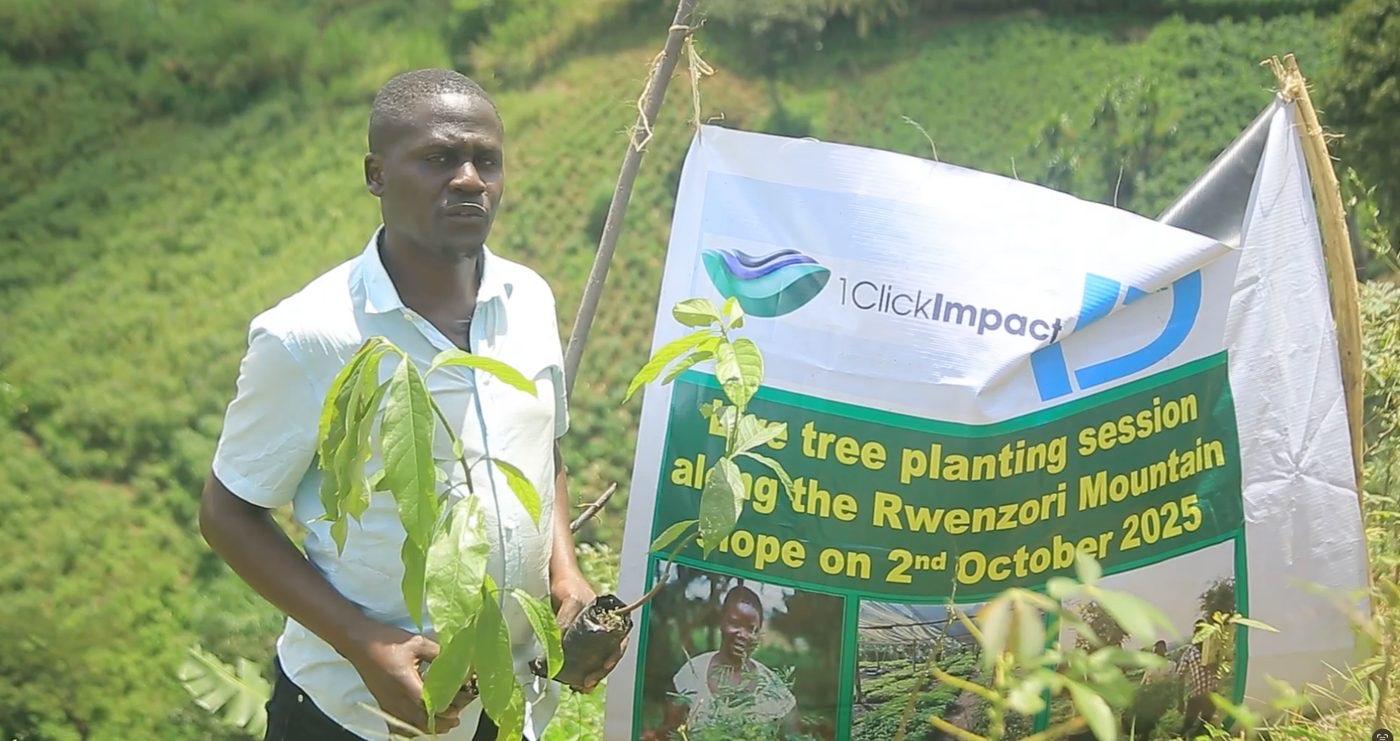
We plant both regular trees for environmental restoration and food trees for community empowerment.
Native species for forest restoration and biodiversity
Delivered viaTrees for the FutureVisitlive
Fruit and nut trees that provide nutrition and income for families
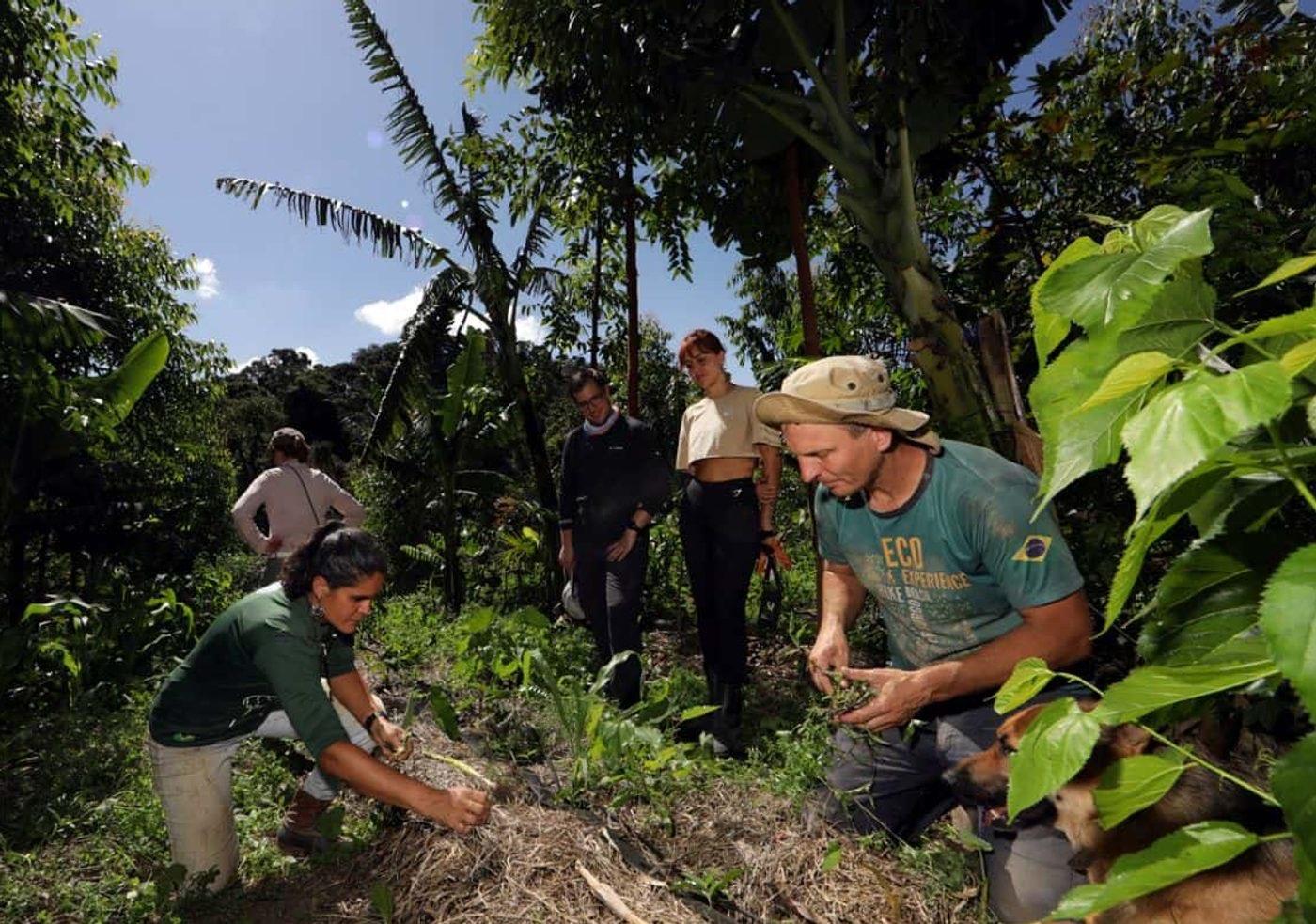
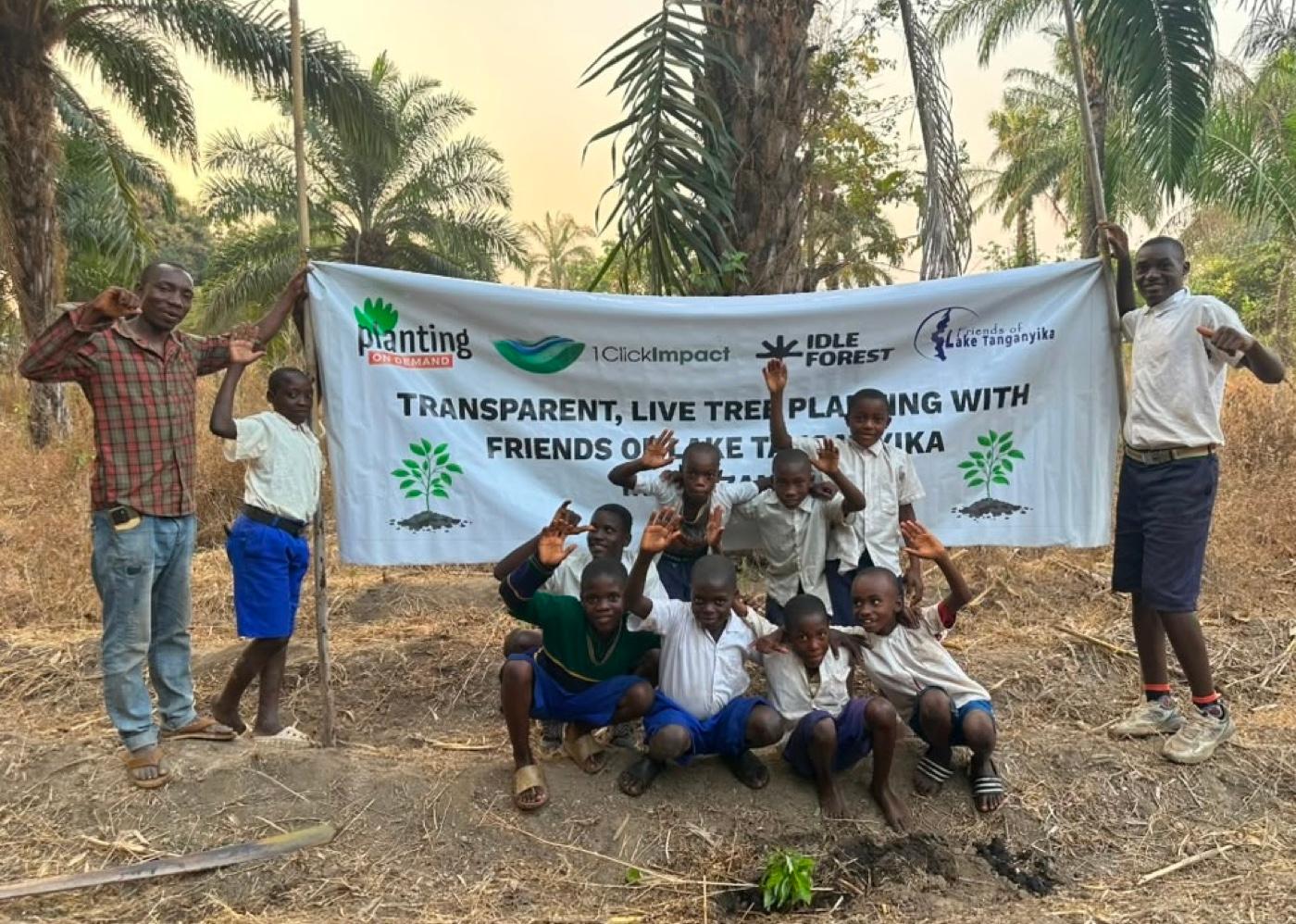
Delivered viaPlanting On DemandVisitJoin our exclusive live planting sessions where you can see your trees being planted in real-time and connect with the communities you're supporting. We partner with local organizations worldwide to bring you these authentic experiences.
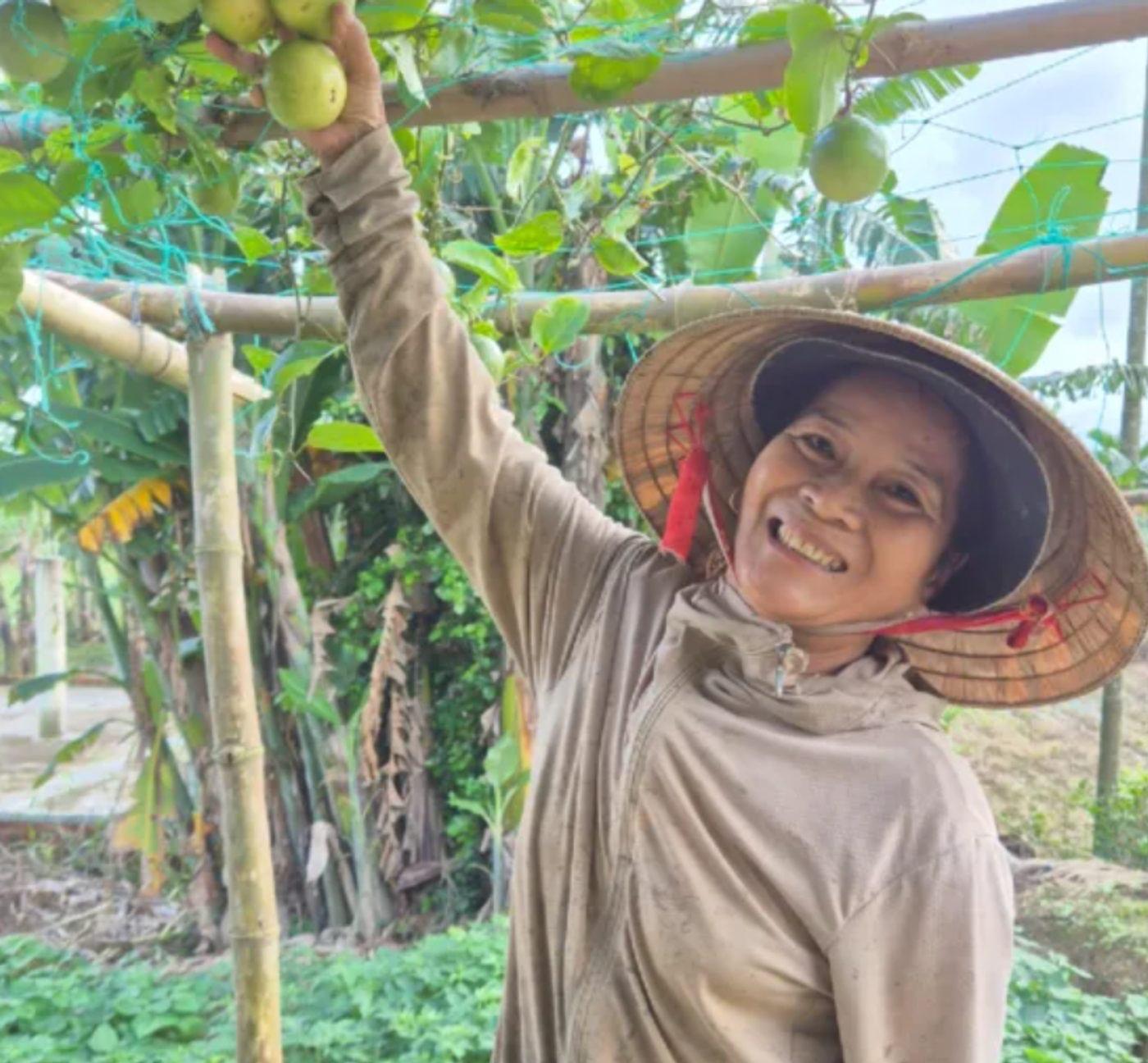
Green Youth Collective (GYC) is a social enterprise founded in 2013, operating Learning Centers at the heart of local communities in Vietnam. They focus on zero waste and regenerative sustainability models, engaging youth, farmers, and women in developing skills that help both People and Nature thrive.
Dream International was started in 2015 as a community tree and forest restoration project in the Rwenzori Mountain ecosystem. They work to restore one of Africa's biodiversity hotspots, providing nature-based solutions for healthy environment and healthy people.
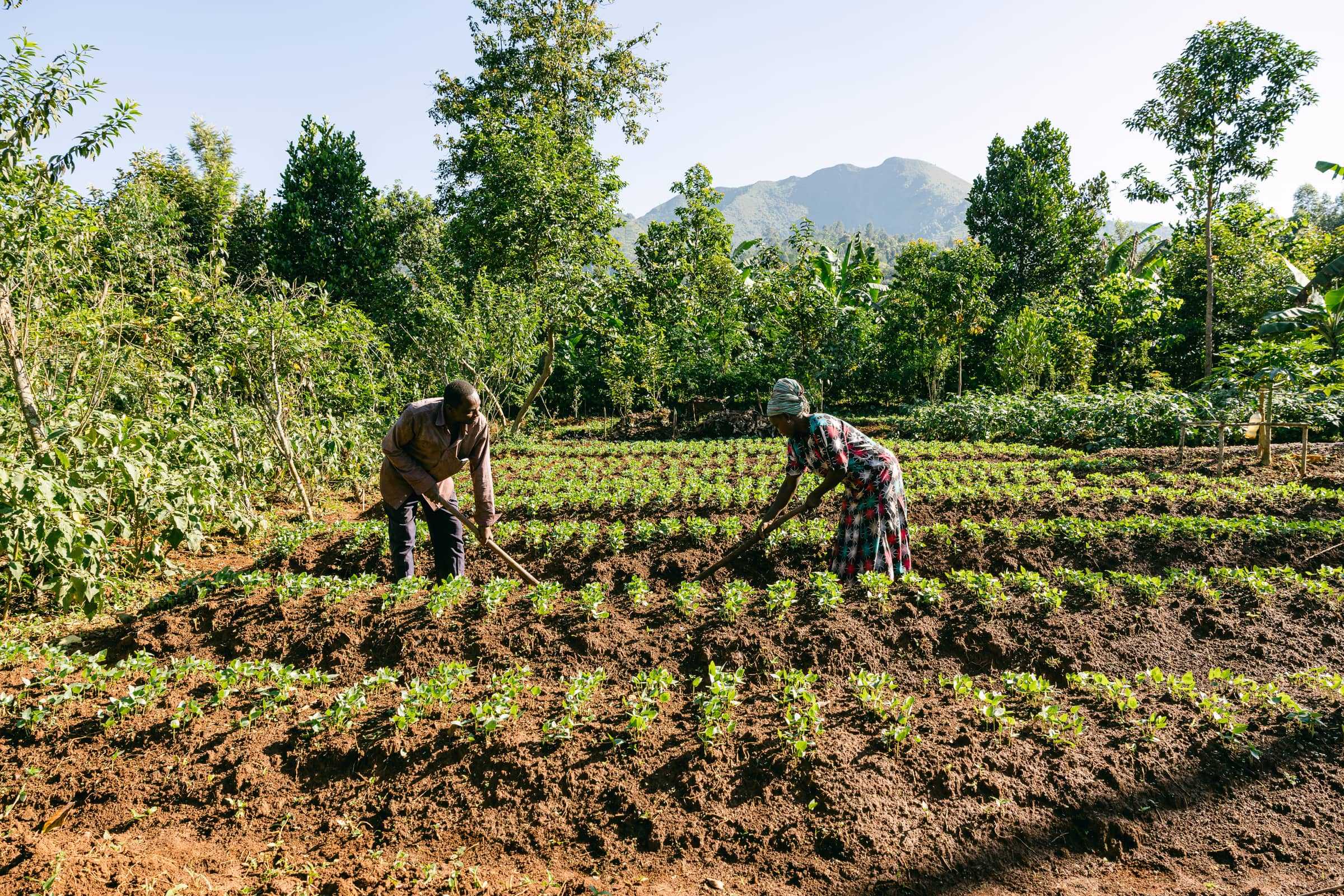
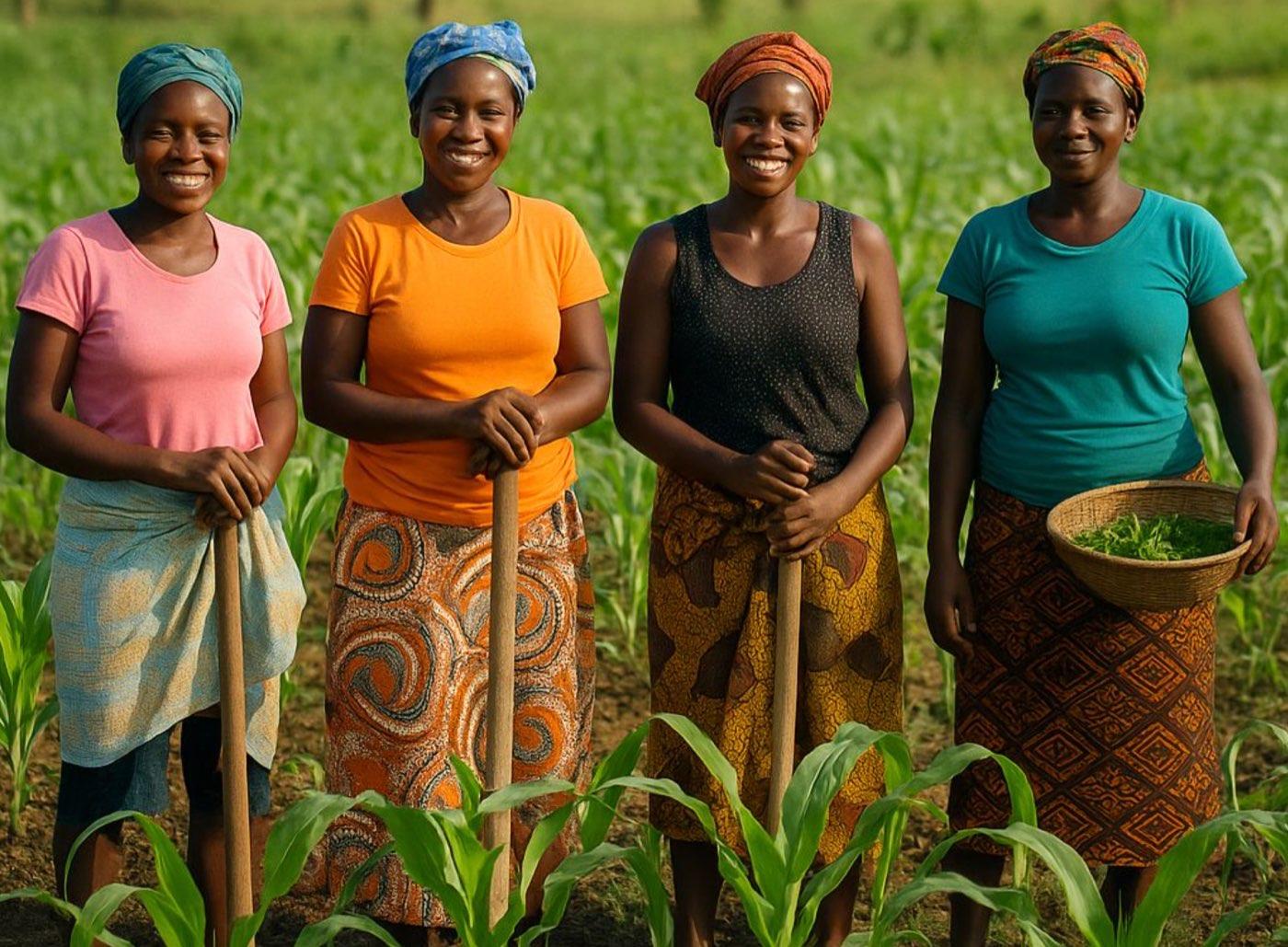
The farmers and leaders turning degraded land into forest gardens.
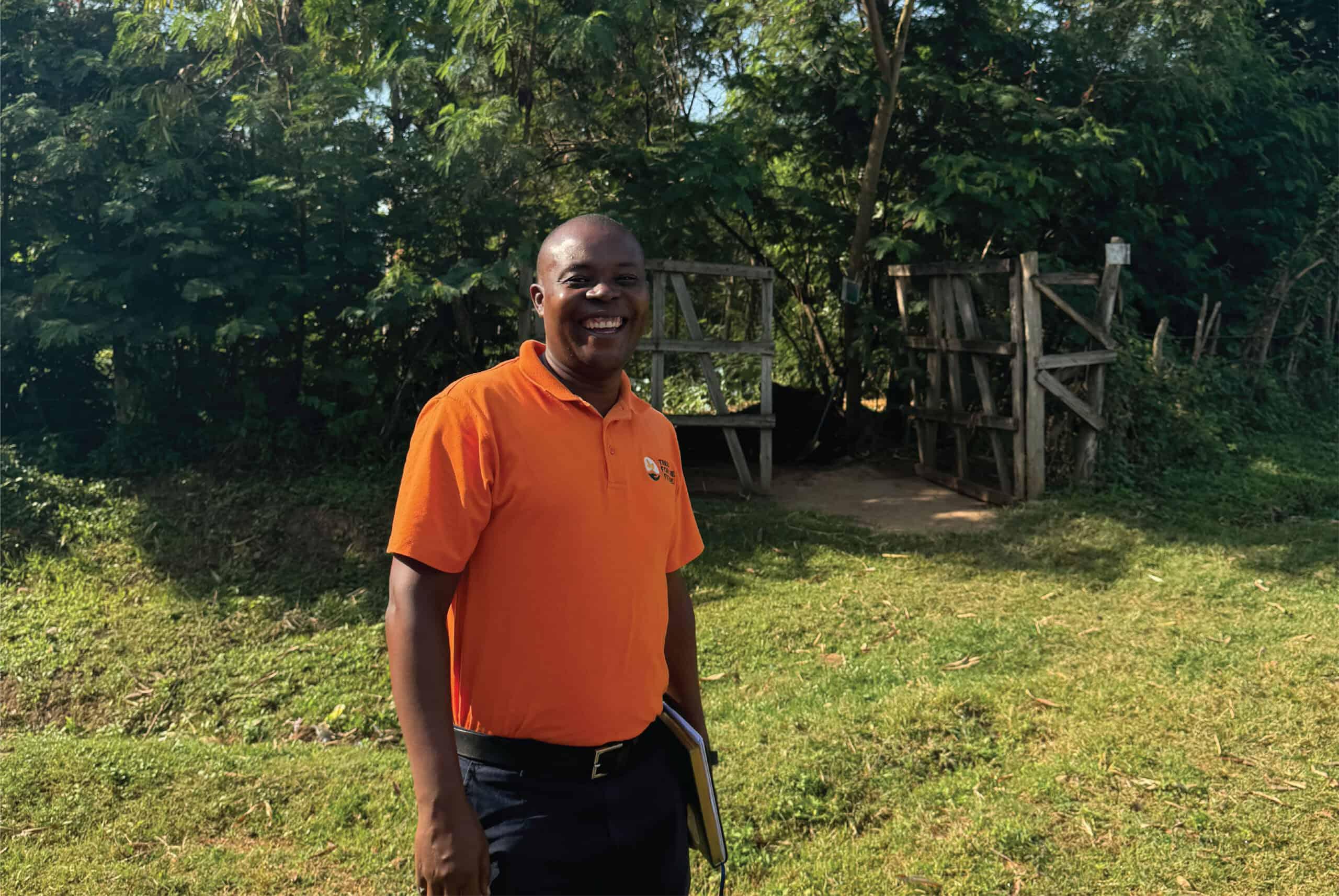
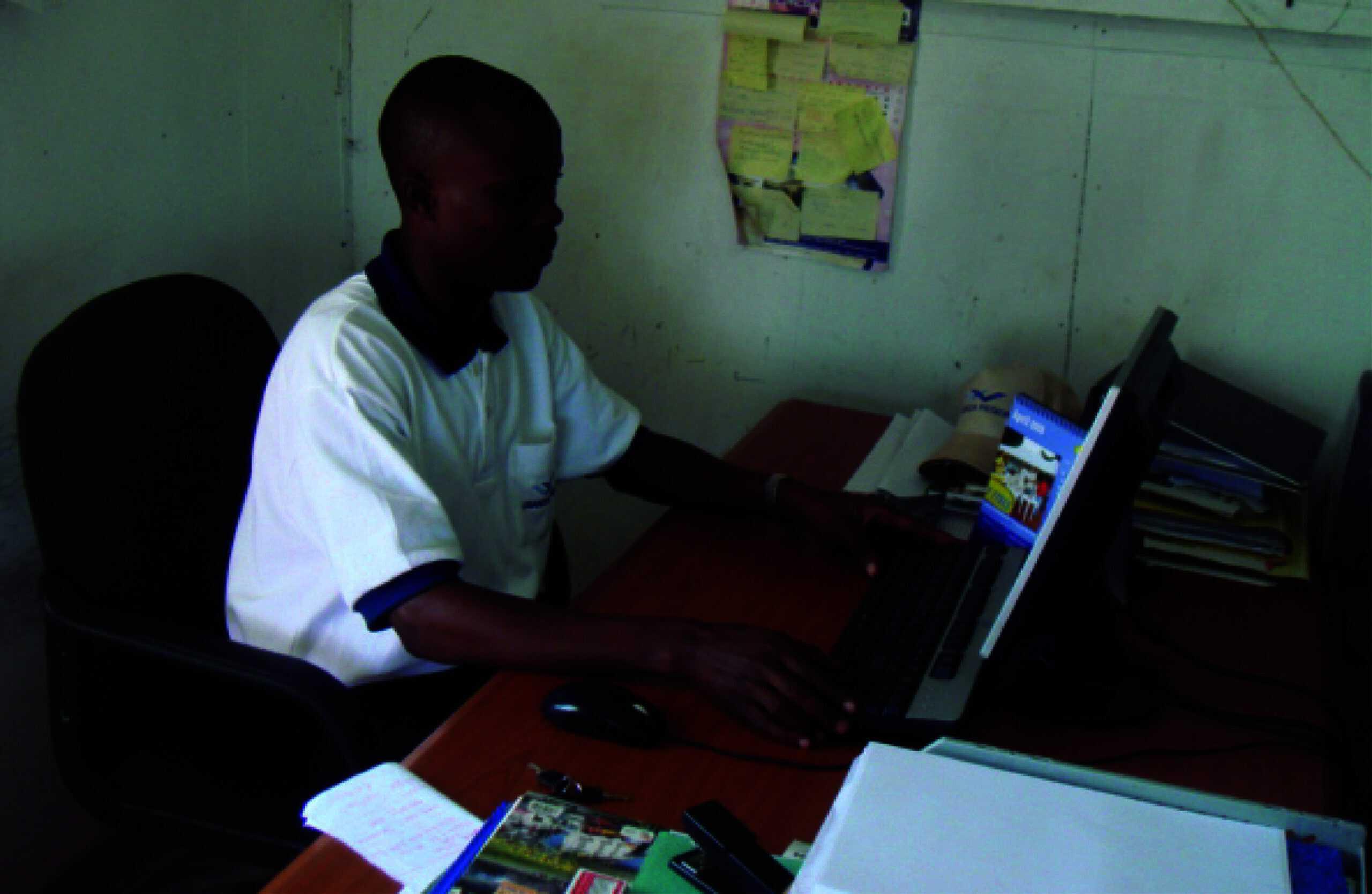
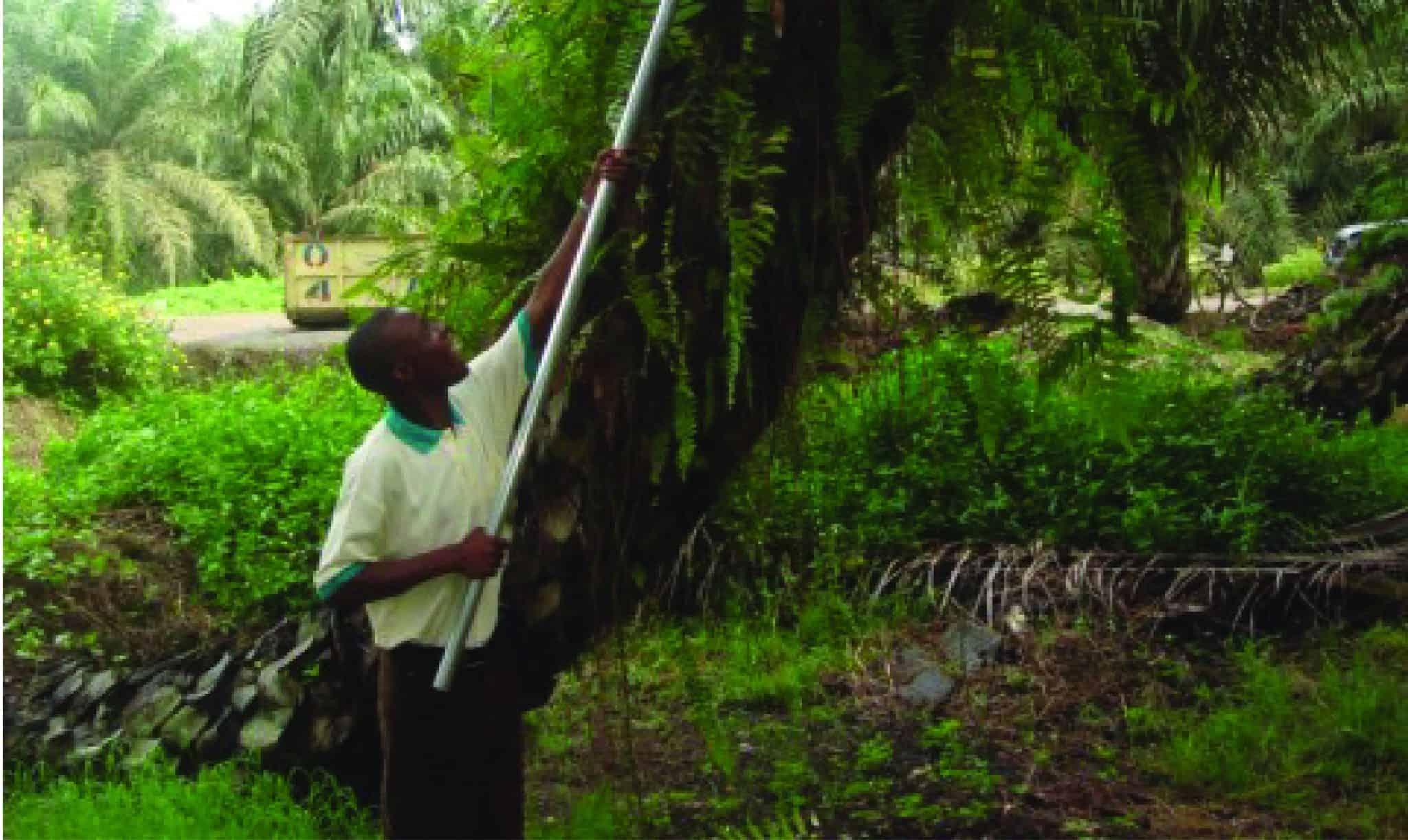
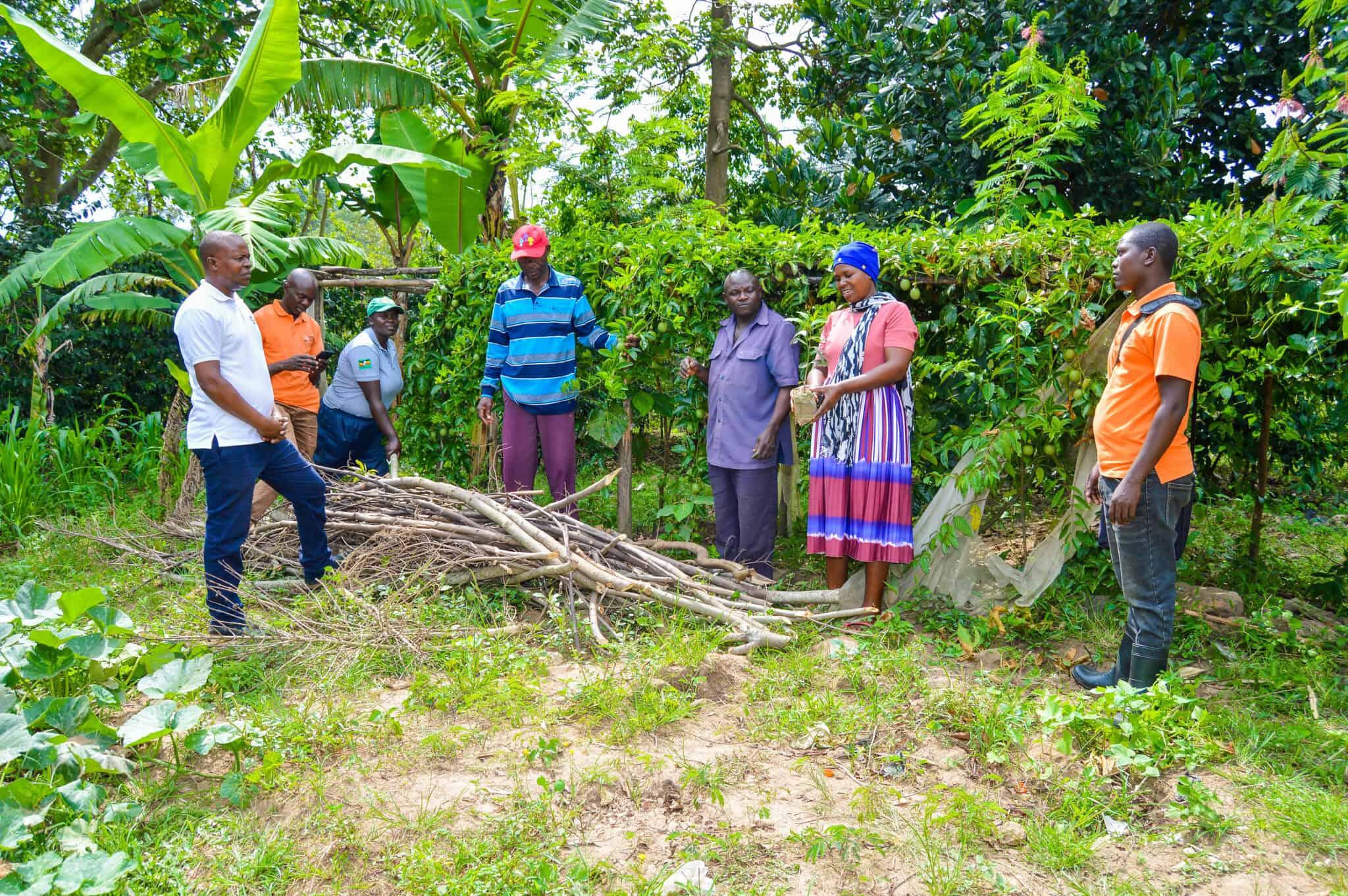
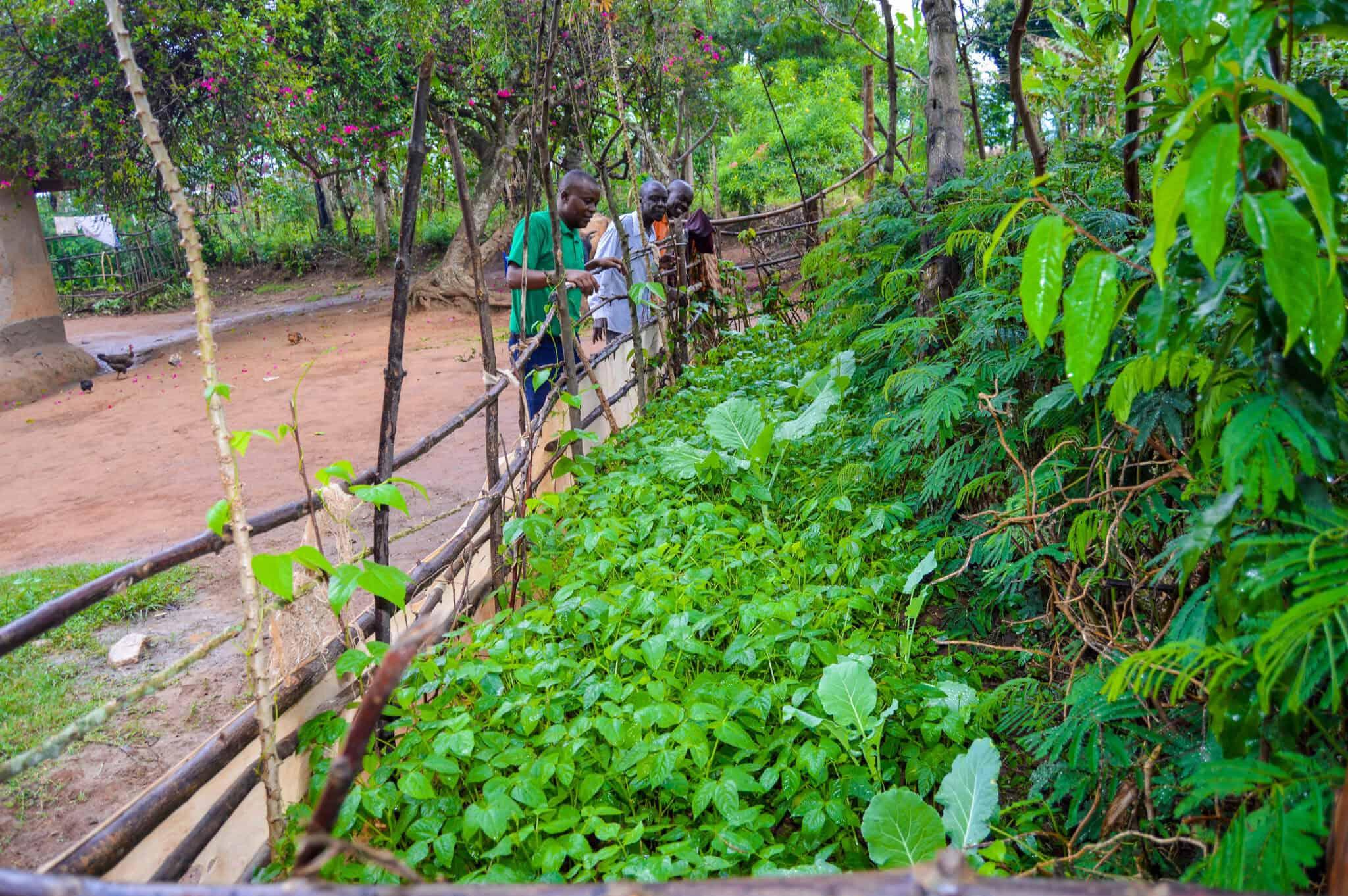
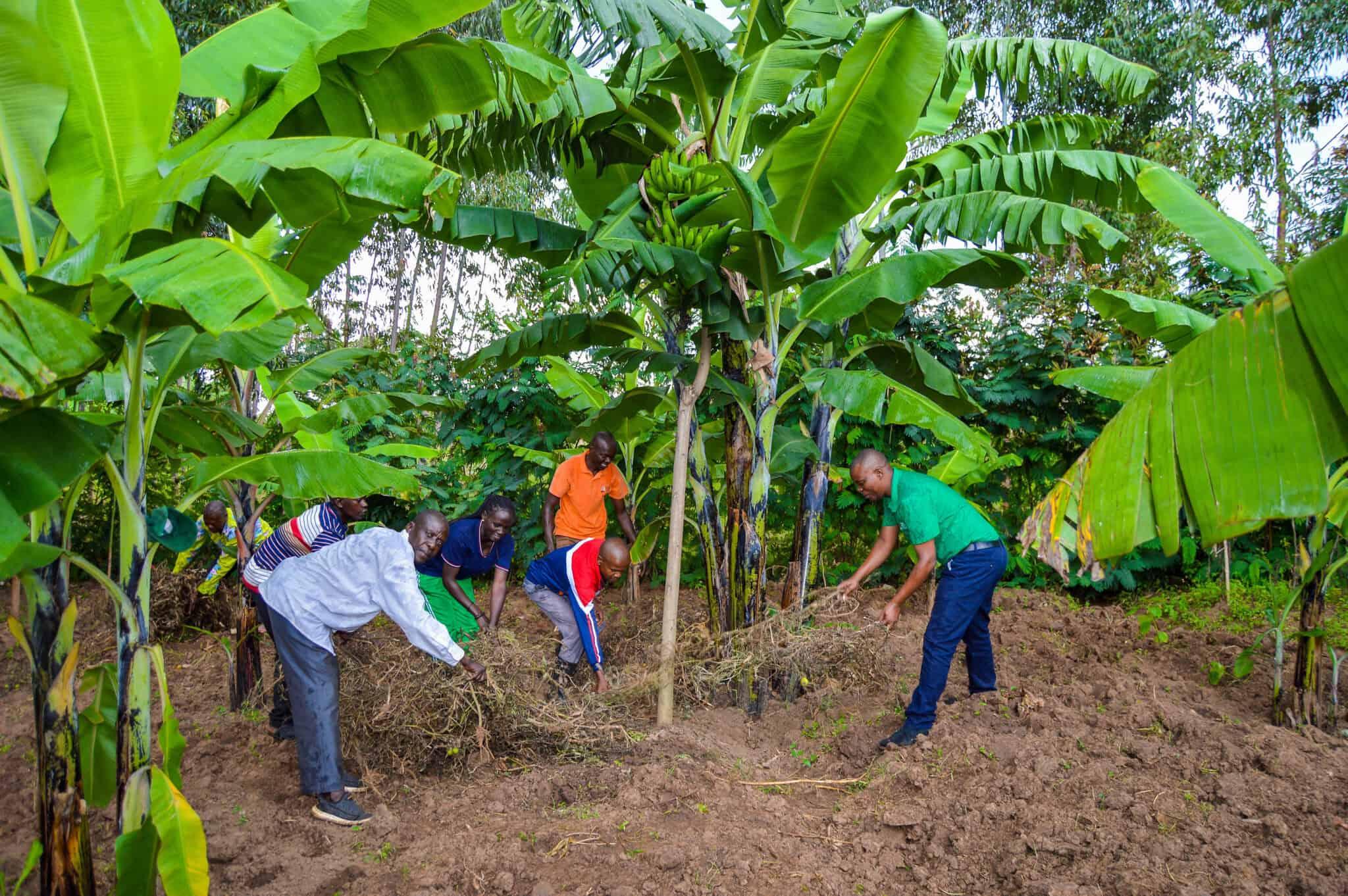
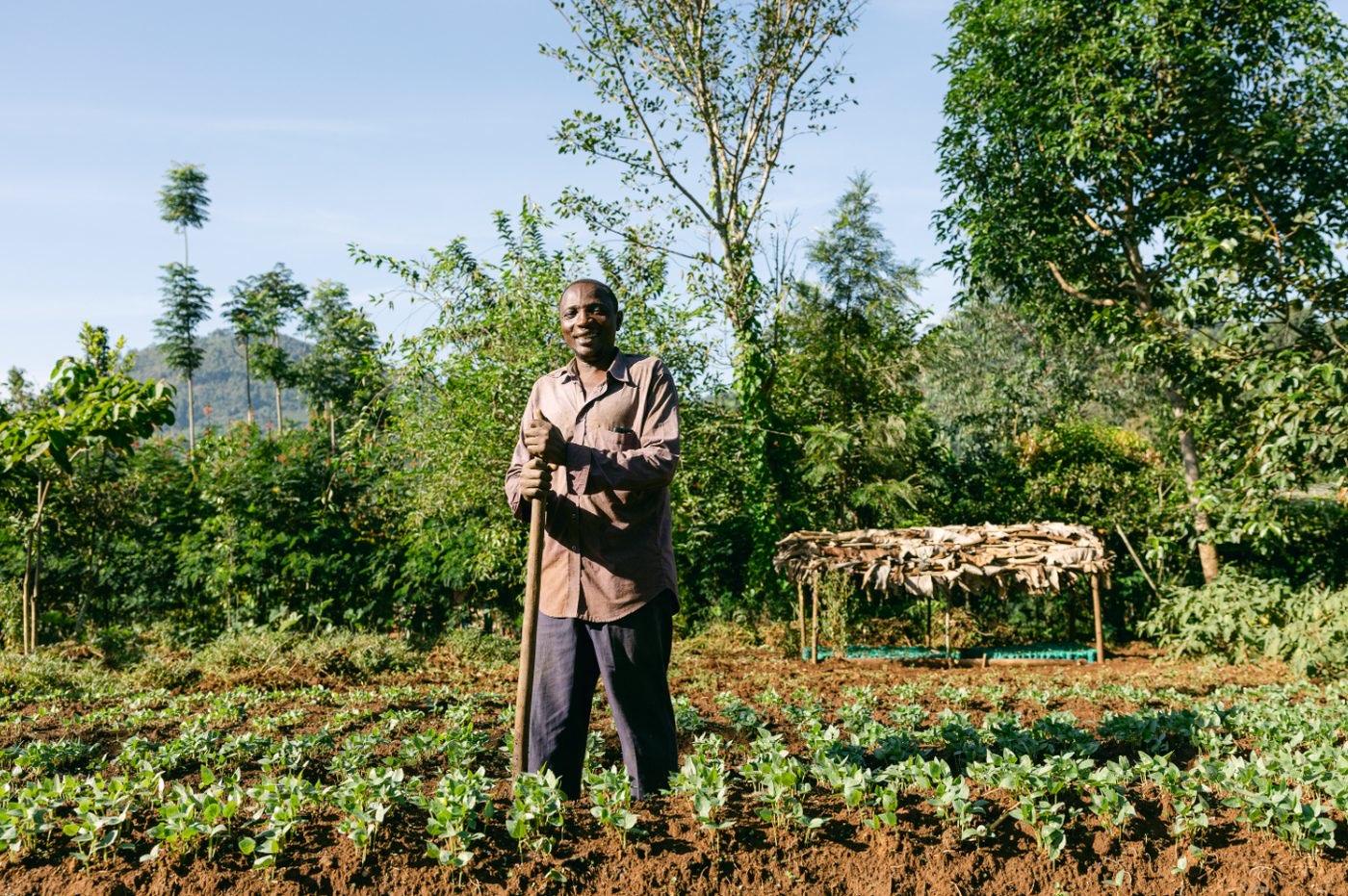
Meet Enoch Makobi, whose journey from family farm to TREES Uganda Country Director exemplifies the transformational power of sustainable agriculture. From witnessing tragedy in his community to becoming a leader in Forest Garden implementation, Enoch's story shows how one person's commitment can impact thousands of lives.
When farmers see their neighbors succeeding with Forest Gardens, they want to learn. It's not just about planting trees - it's about transforming lives and building resilient communities.
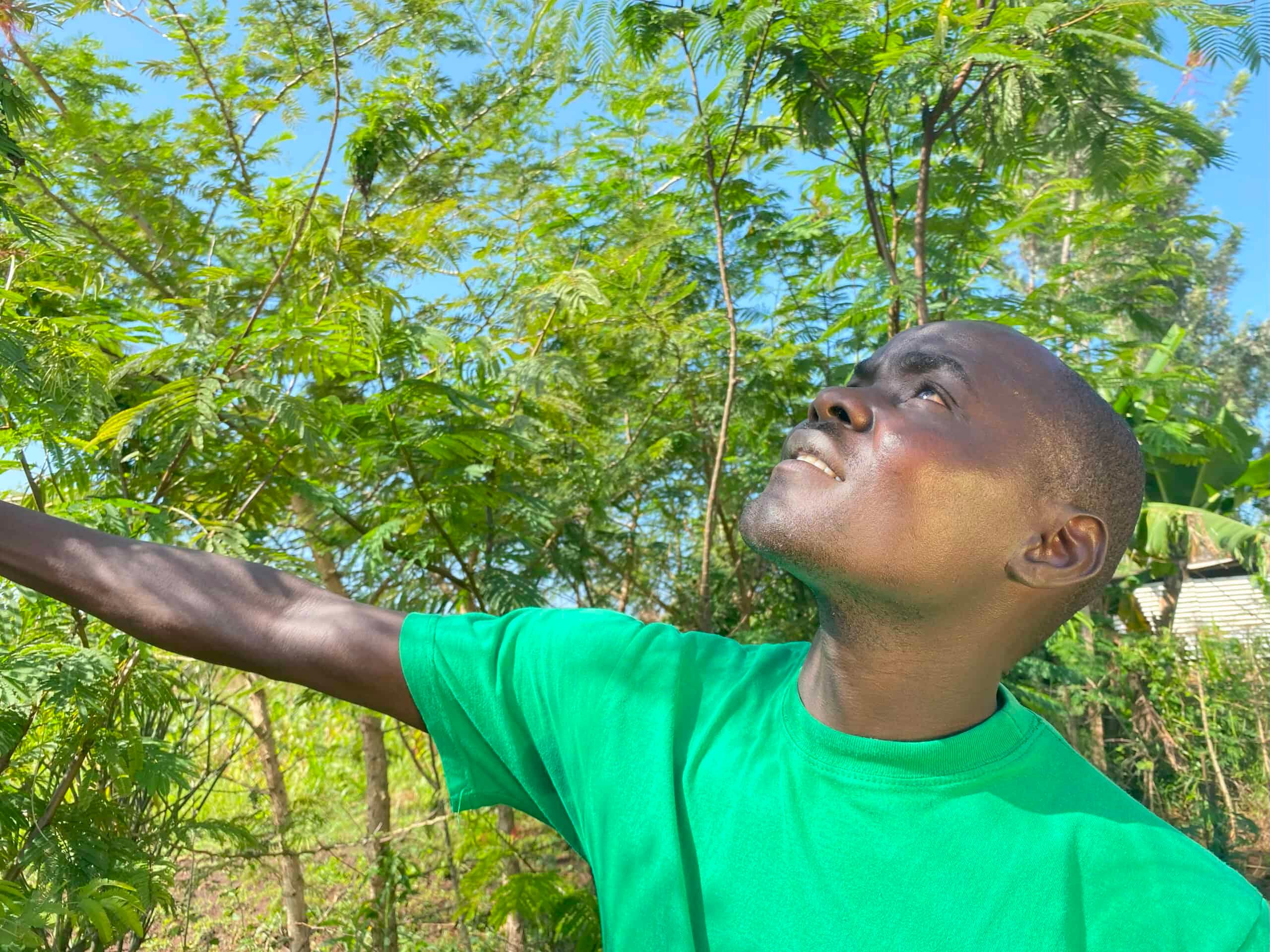
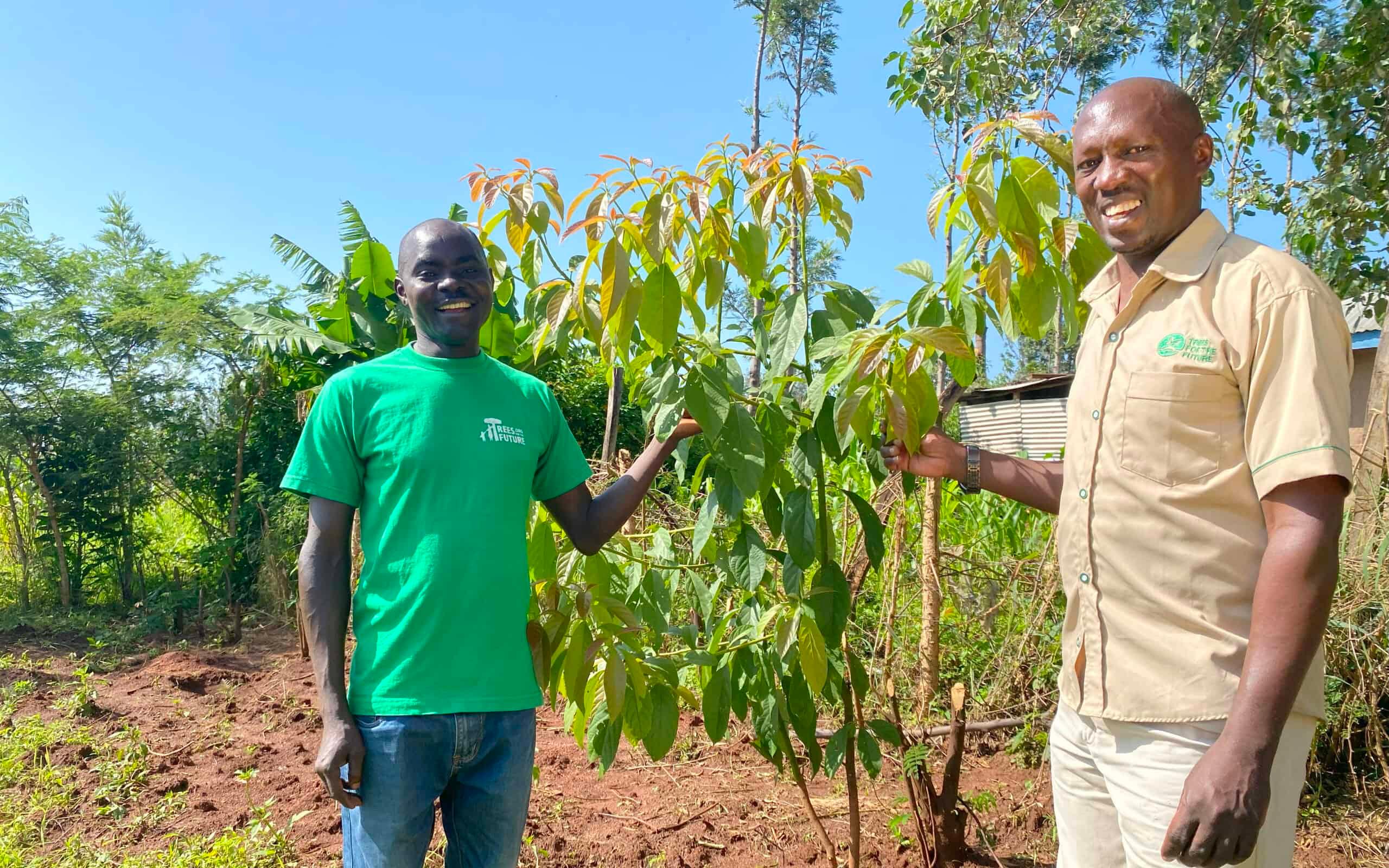
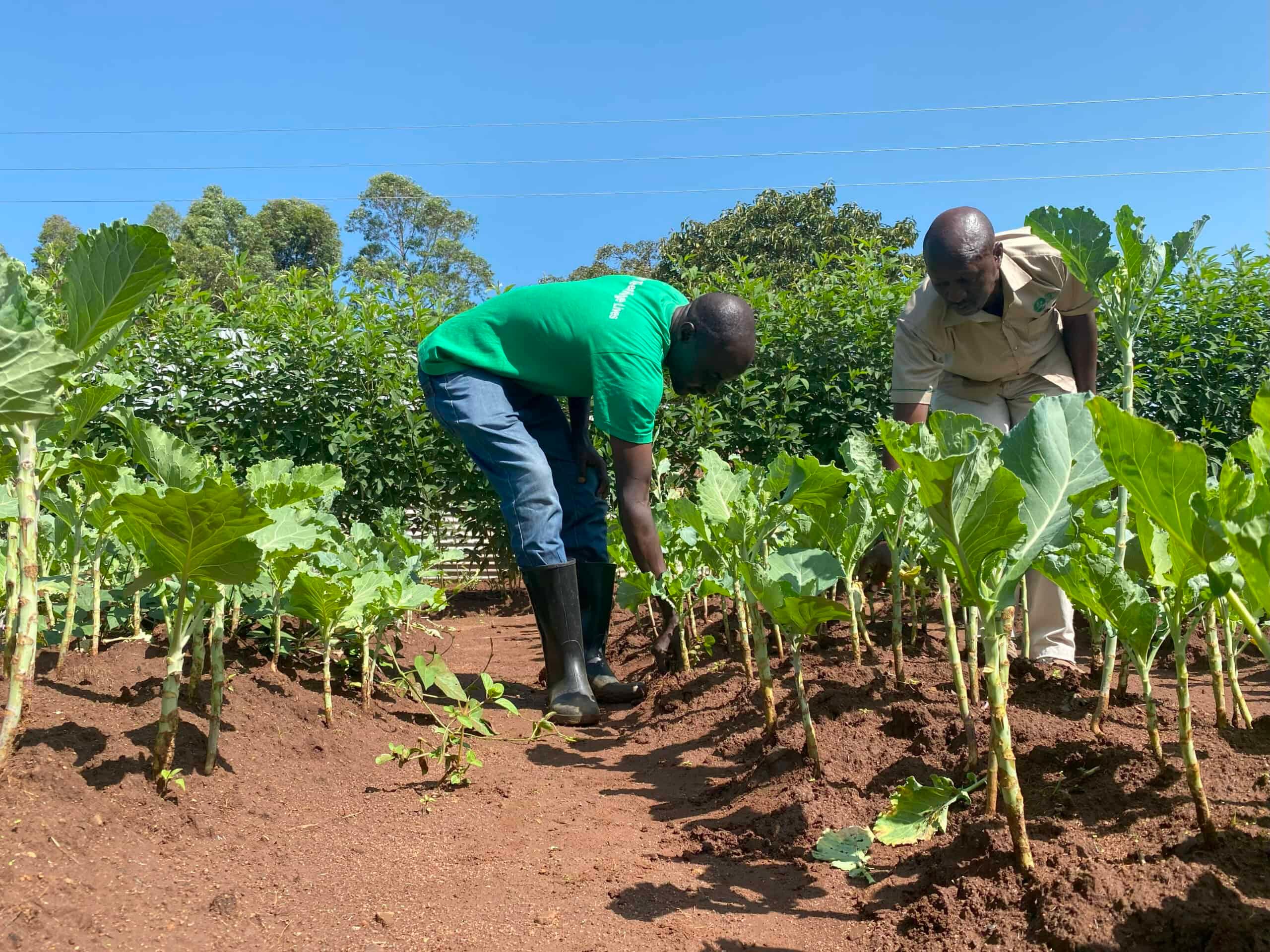
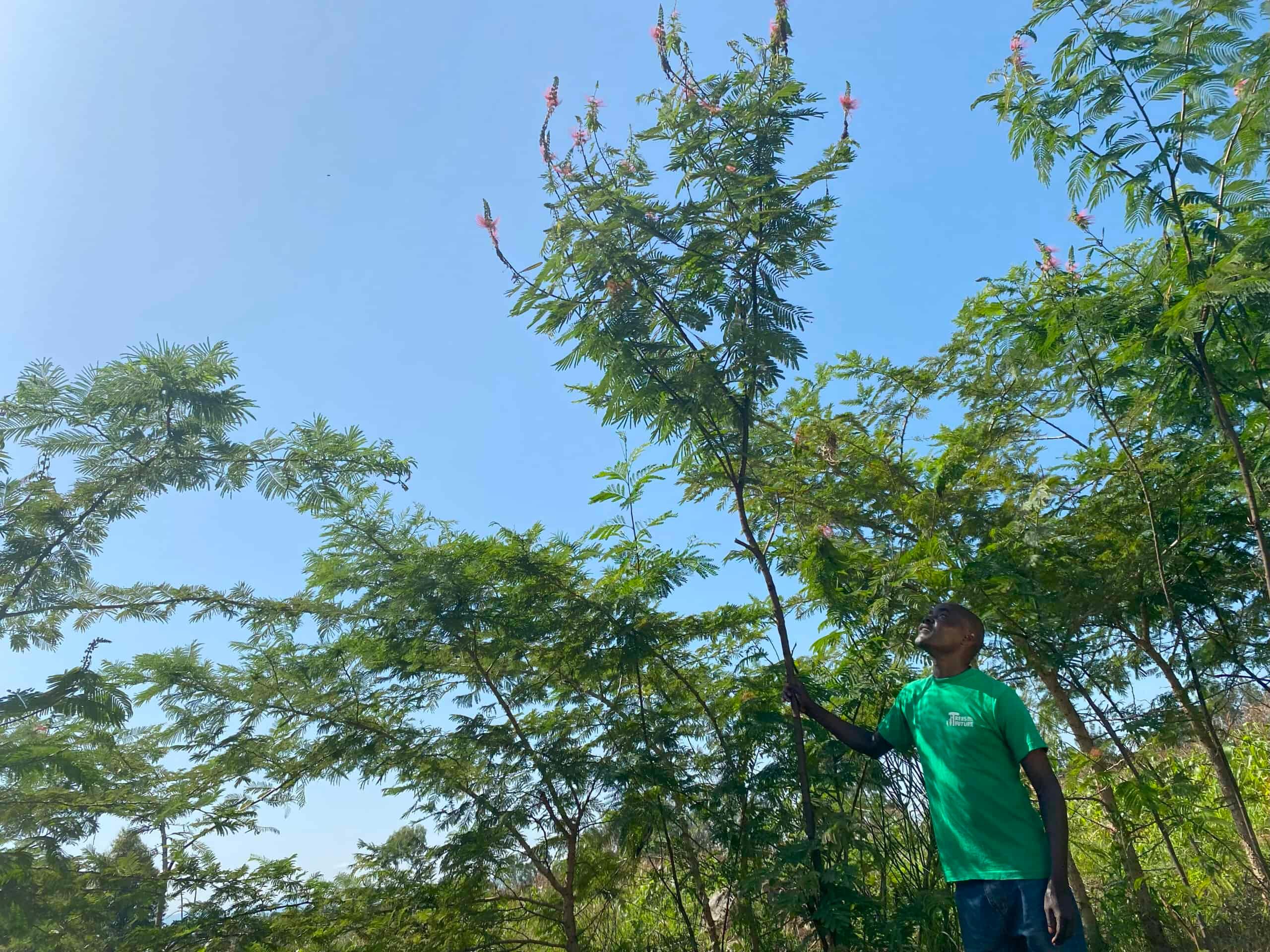
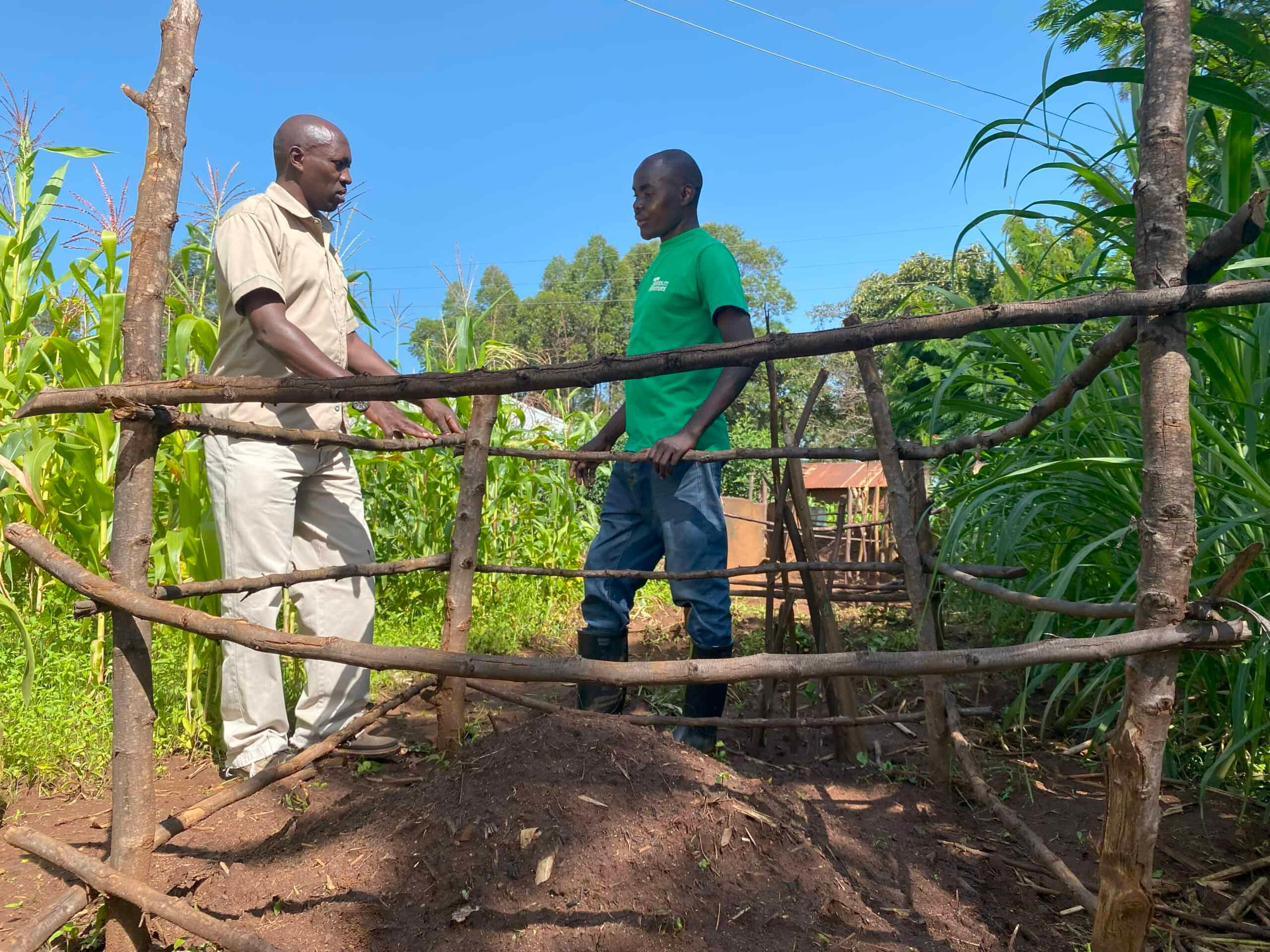
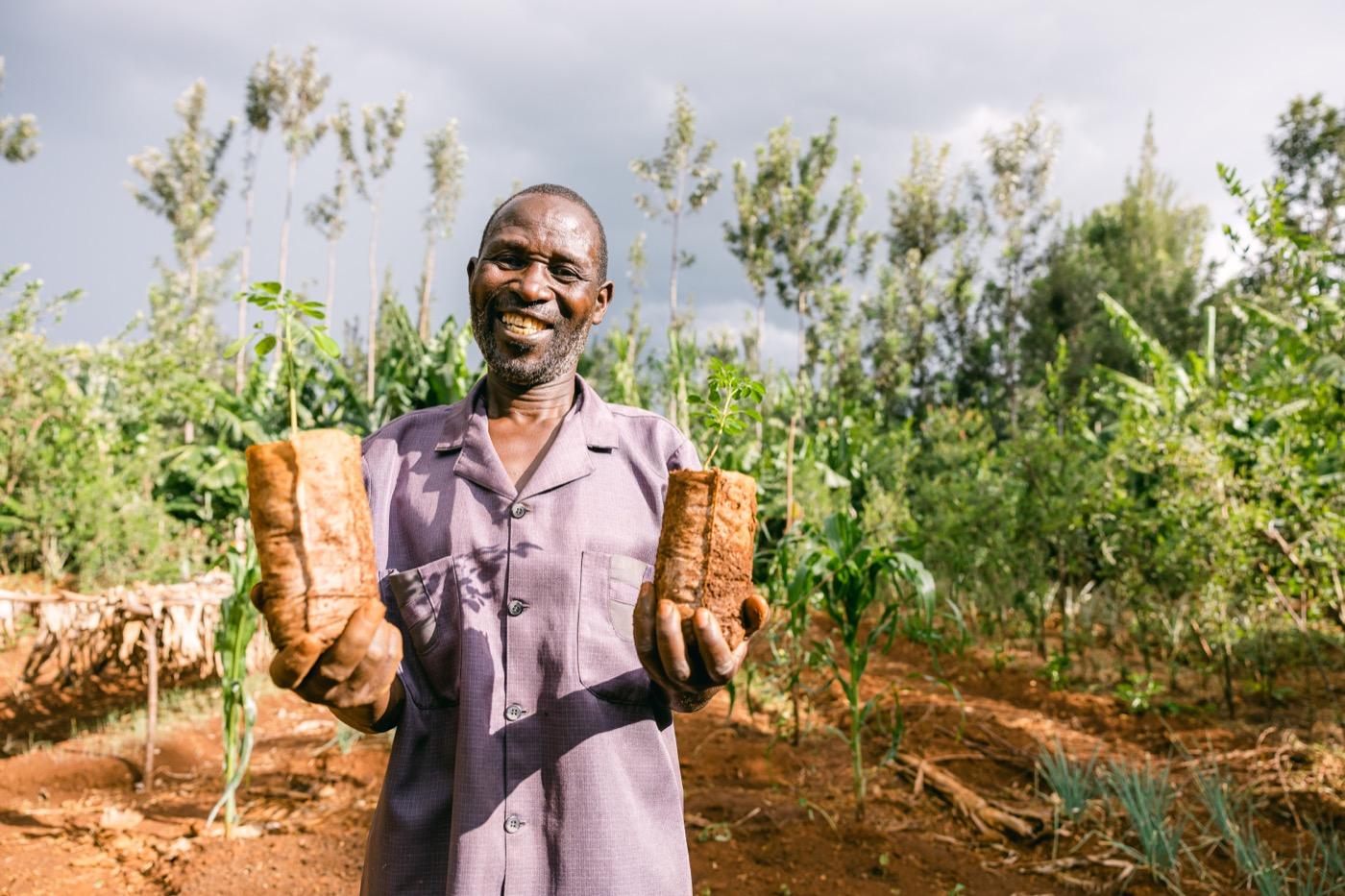
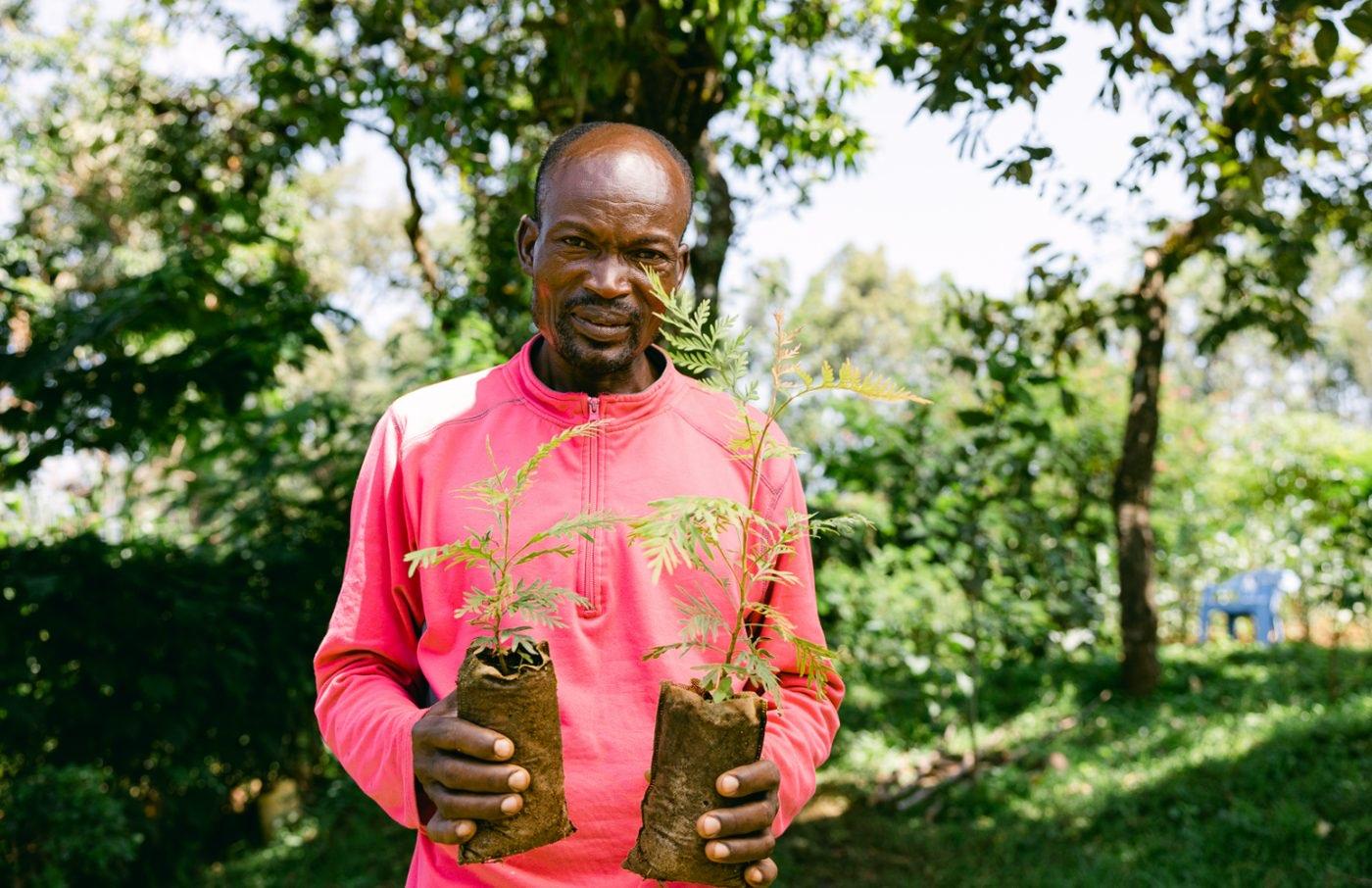
Meet David Abach, a Kenyan farmer whose Forest Garden transformation demonstrates the incredible potential of sustainable agriculture. In just three years, David has gone from 12 trees to over 3,300 trees on his farm, creating a thriving ecosystem that supports both his family and the environment. His success story shows how individual farmers can become catalysts for community-wide change.
The Forest Garden has completely changed my life. My soil is richer, my crops are stronger, and I can feed my family year-round. Other farmers see what I've accomplished and want to learn.
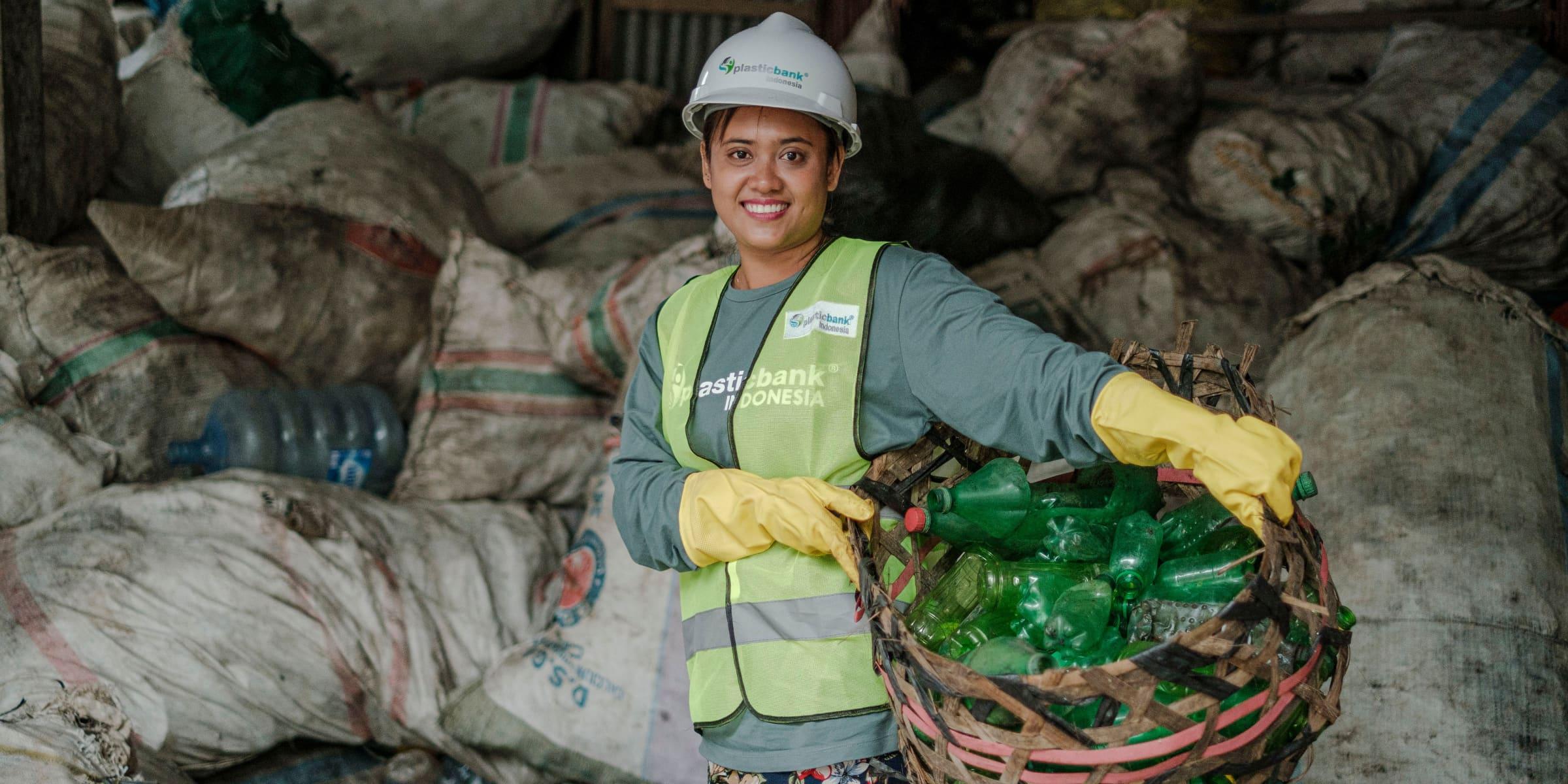
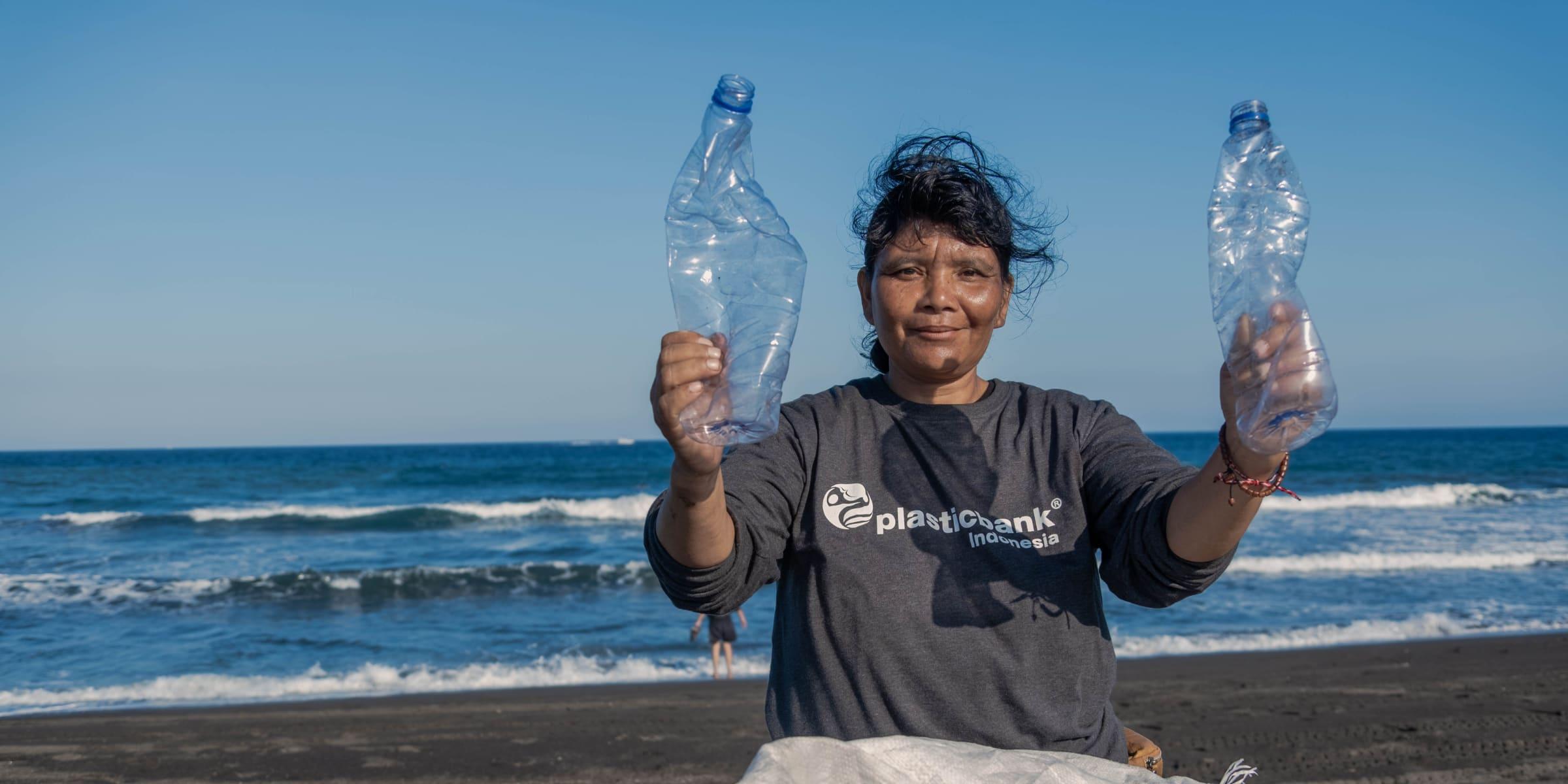
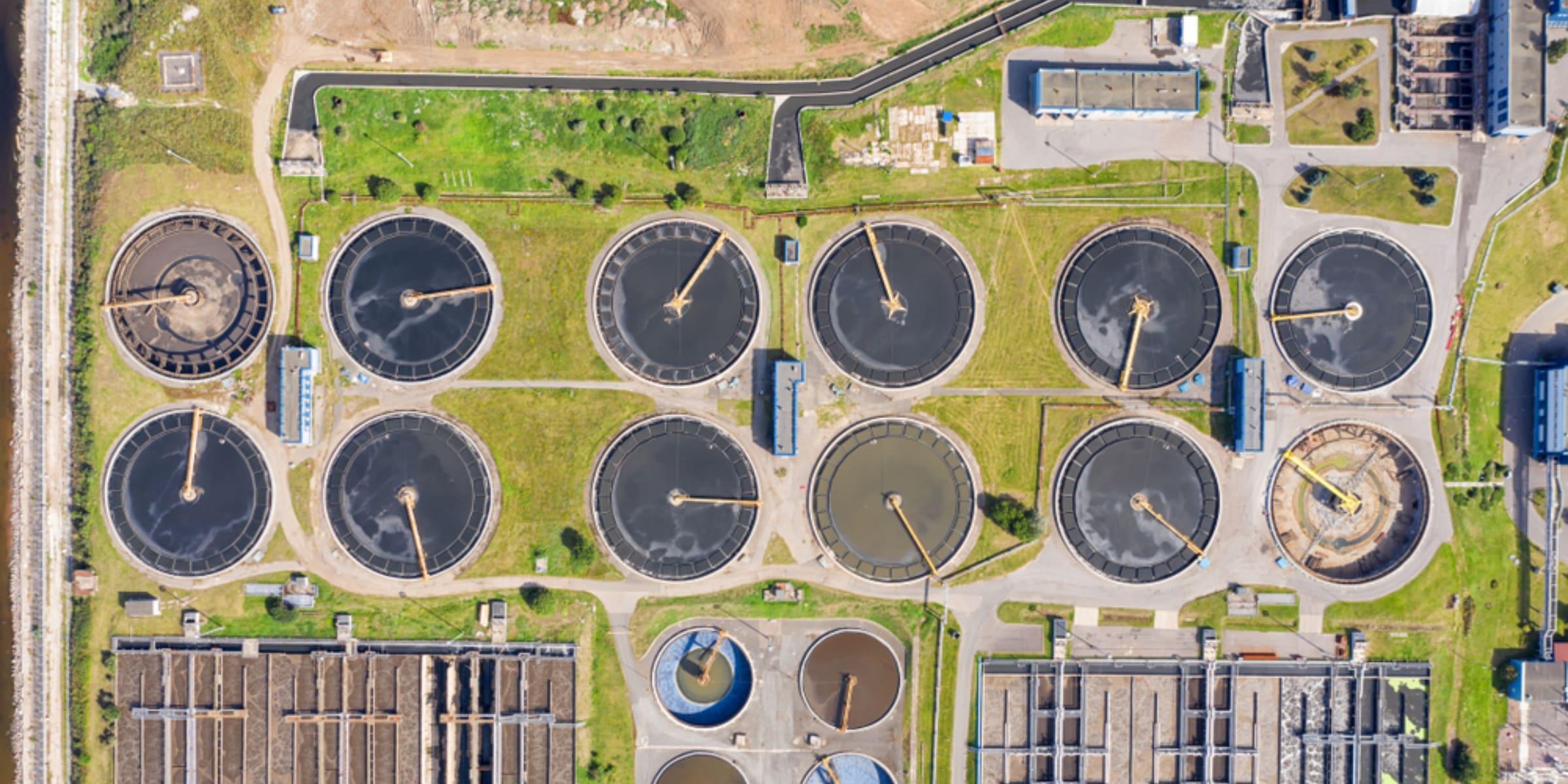
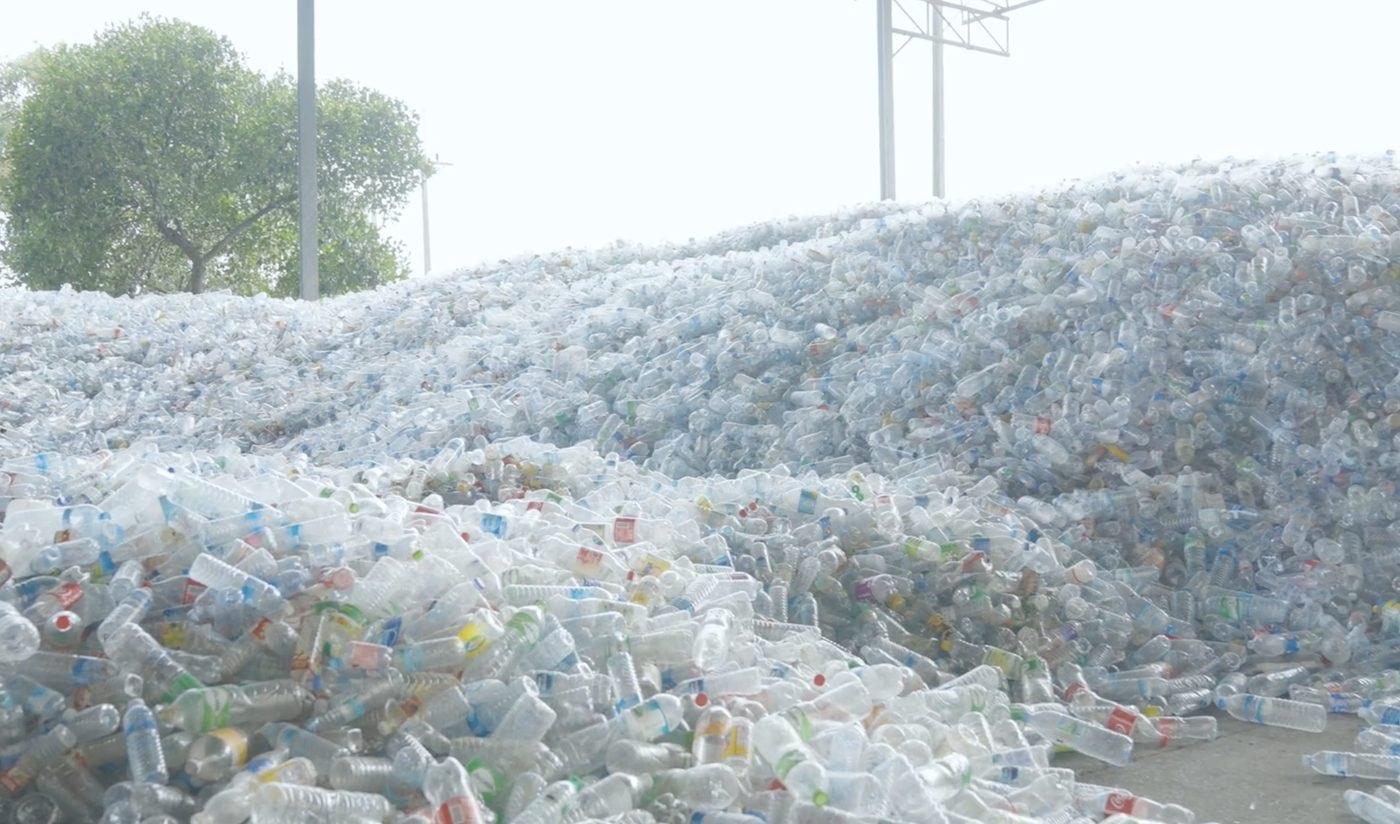
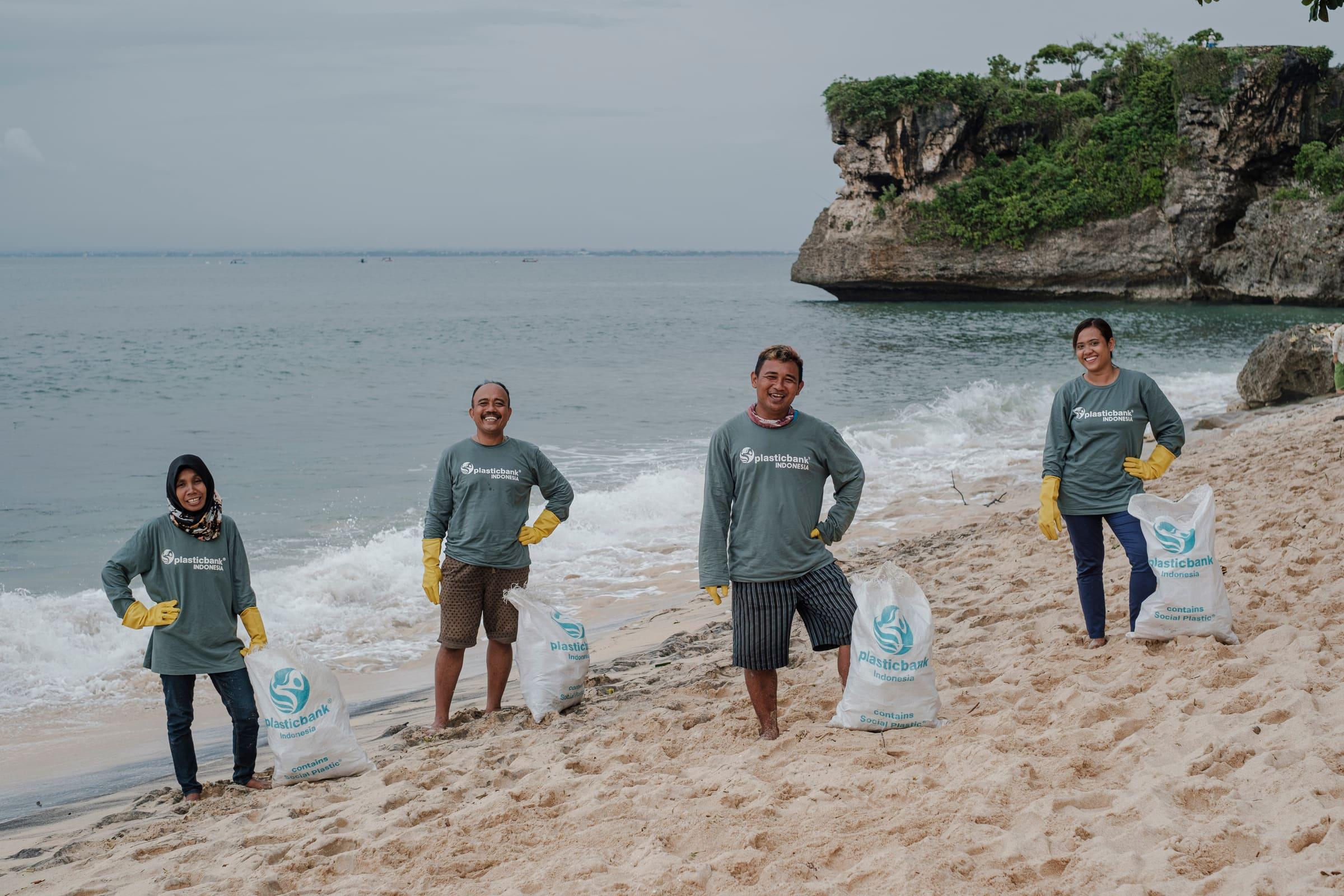
Every pound of ocean waste removed creates a ripple effect across marine ecosystems. We intercept plastic waste before it reaches waterways while empowering coastal communities with fair-wage collection opportunities.
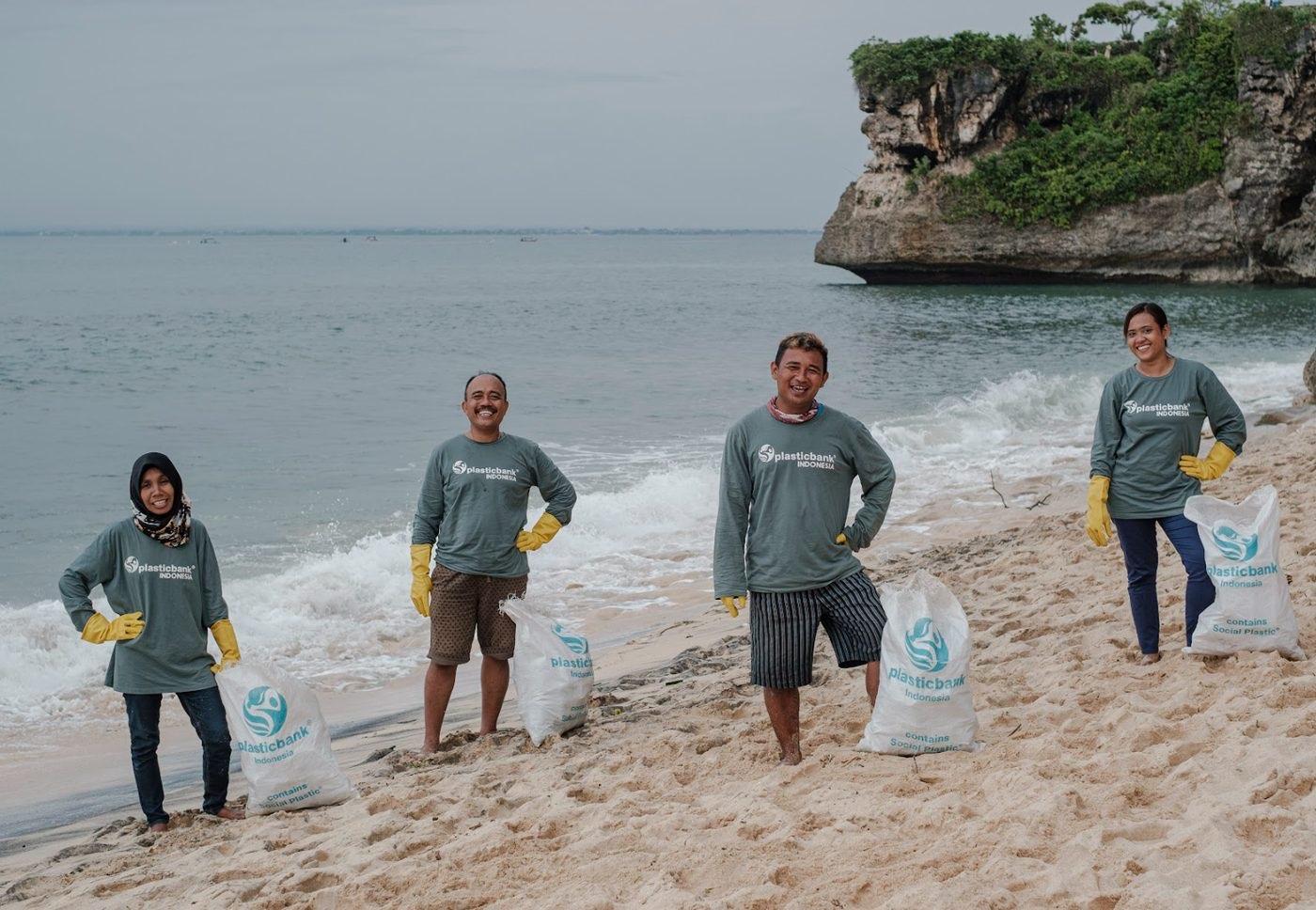
Plastic Bank · Indonesia
Every pound of plastic removed creates lasting benefits for marine ecosystems and coastal communities worldwide. Our comprehensive approach addresses the plastic pollution crisis at its source while creating economic opportunities.
 Delivered withPlastic BankPreventing ocean plastic while supporting coastal communities
We channel our ocean cleanup impact through Plastic Bank's proven collection network to ensure maximum effectiveness while empowering coastal communities. This approach combines environmental protection with social impact, creating a sustainable solution to ocean plastic pollution.
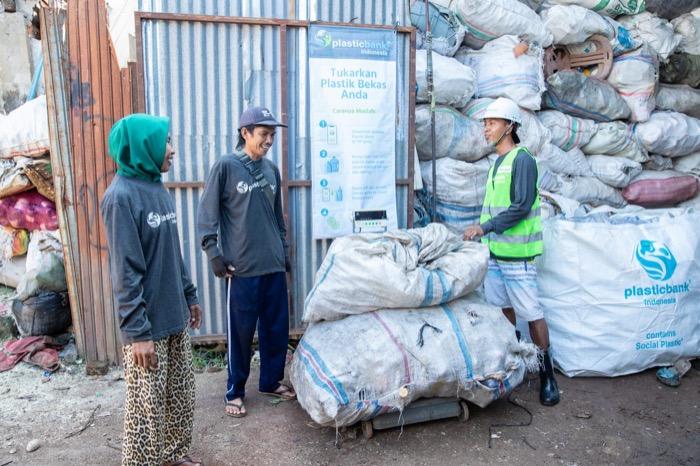
Coastal families turning plastic collection into income, education and cleaner water.
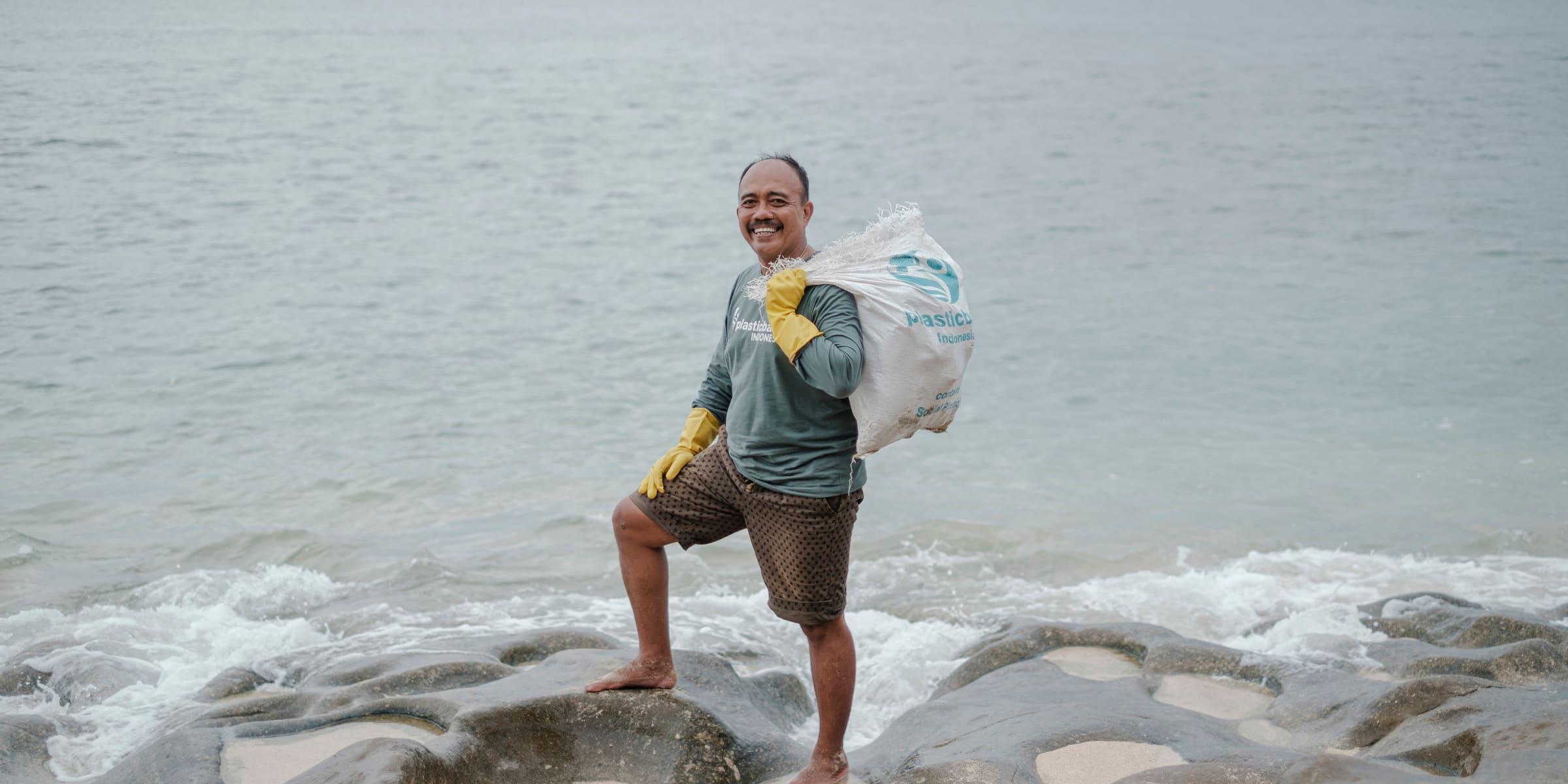
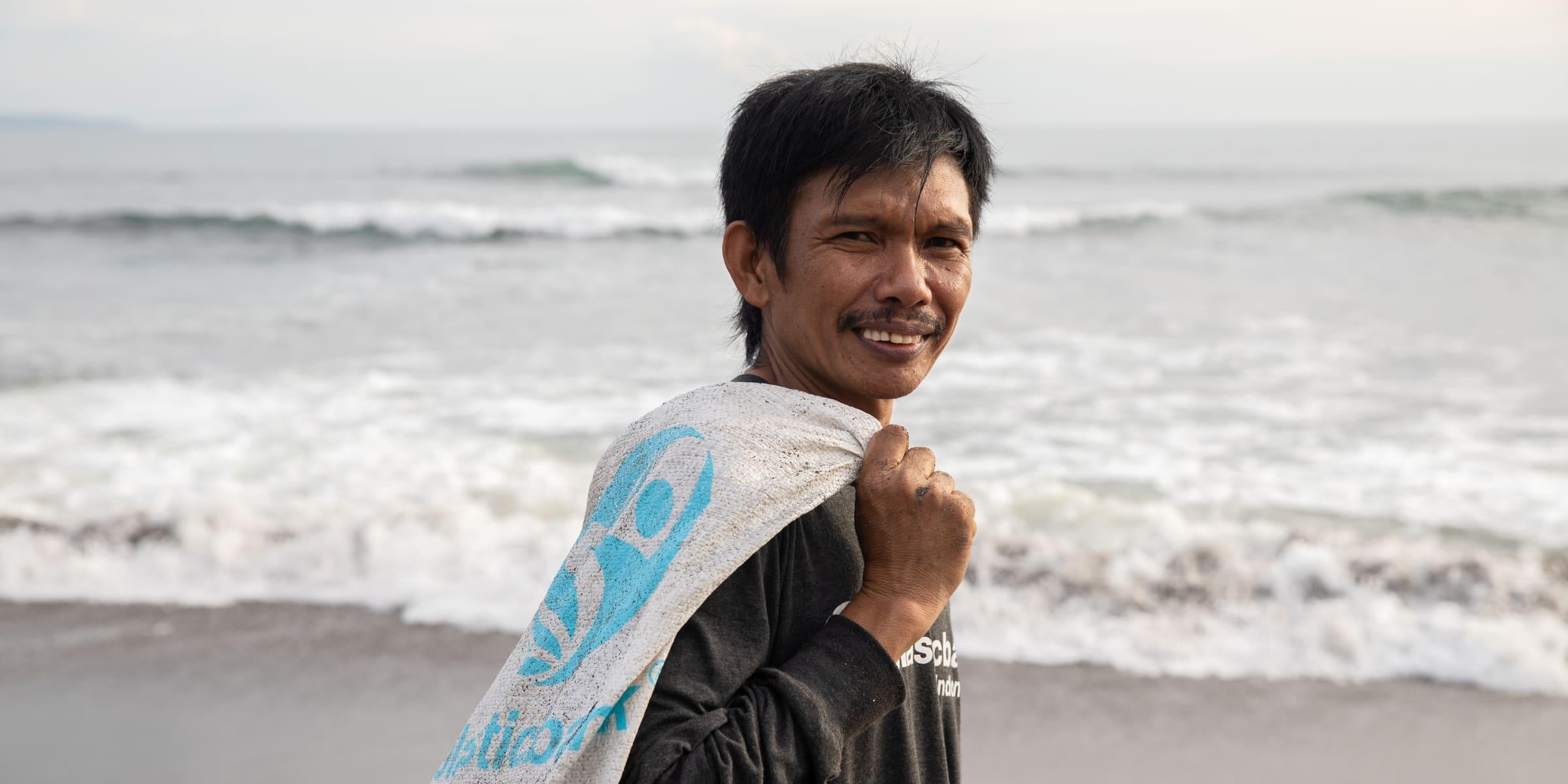
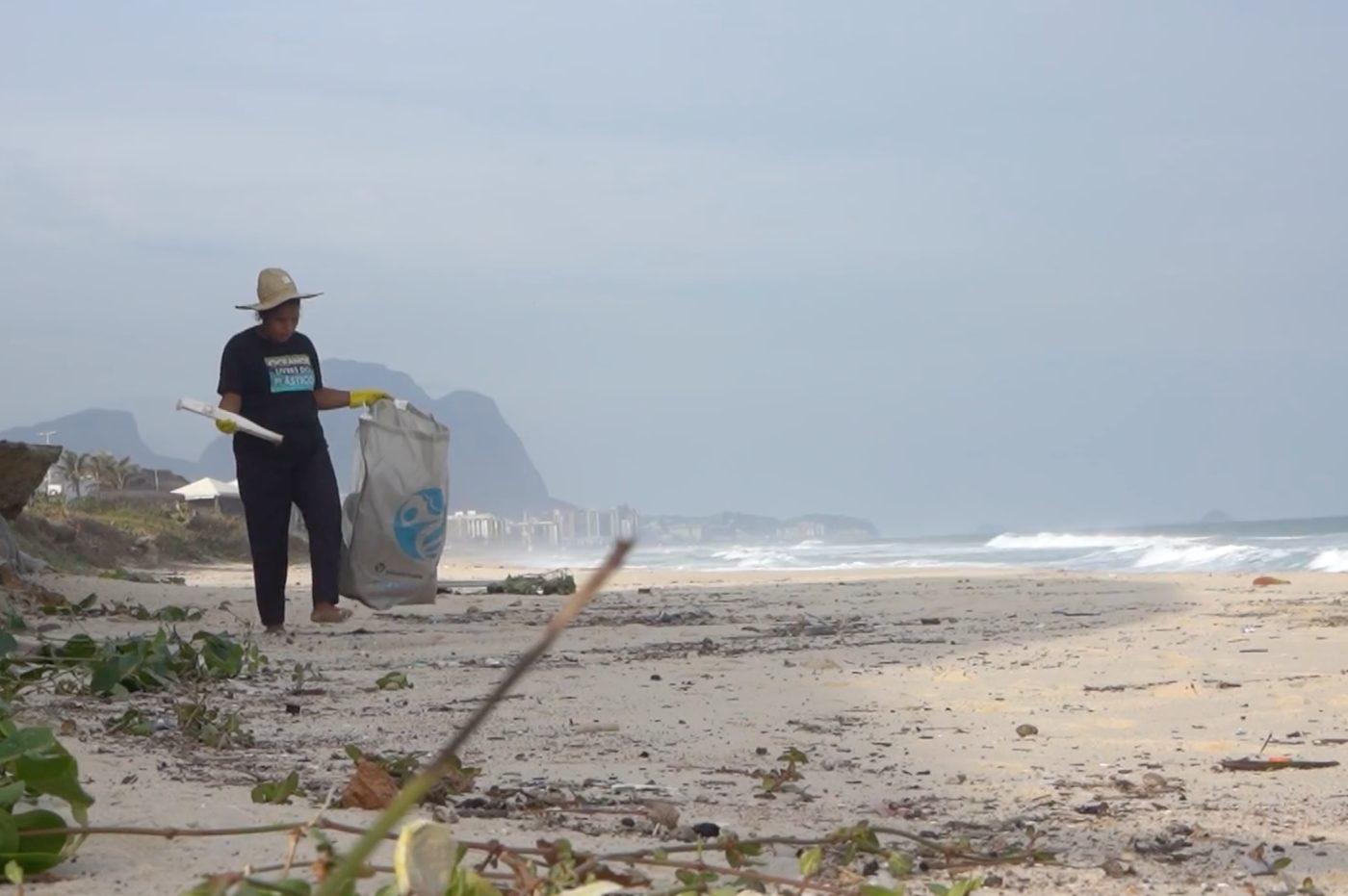
After losing his tattoo business and home in a fire, Haris discovered the value of recyclable materials and has been collecting plastic from riverbanks and beaches since April 2021.
70-100 kg plastic collected weekly“I hope that more people will become aware of the importance of preserving nature and the ocean from plastic pollution. When I'm surfing with my son, we collect plastic waste together.”
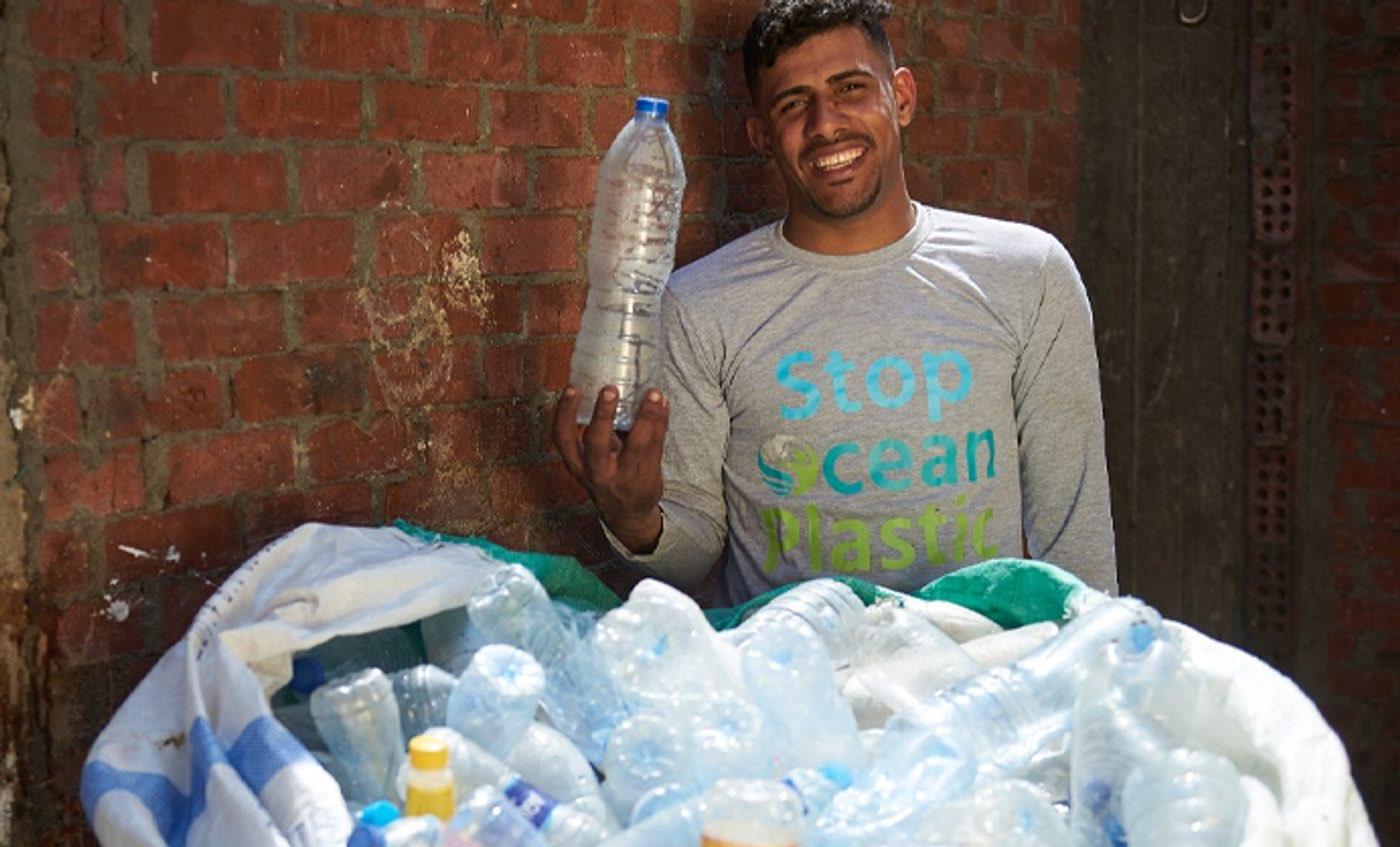
Bashay Shawky, a dedicated father in Cairo, spends his afternoons collecting plastic bound for the Nile River and seas. His bonuses help meet his family's basic needs, have funded his children's education and helped his oldest daughter get married.
Plastic intercepted from the Nile daily“This work is about more than collecting plastic - it's about building a better future for my children. Every piece of waste I collect is one less threat to our rivers and one step closer to my family's dreams.”
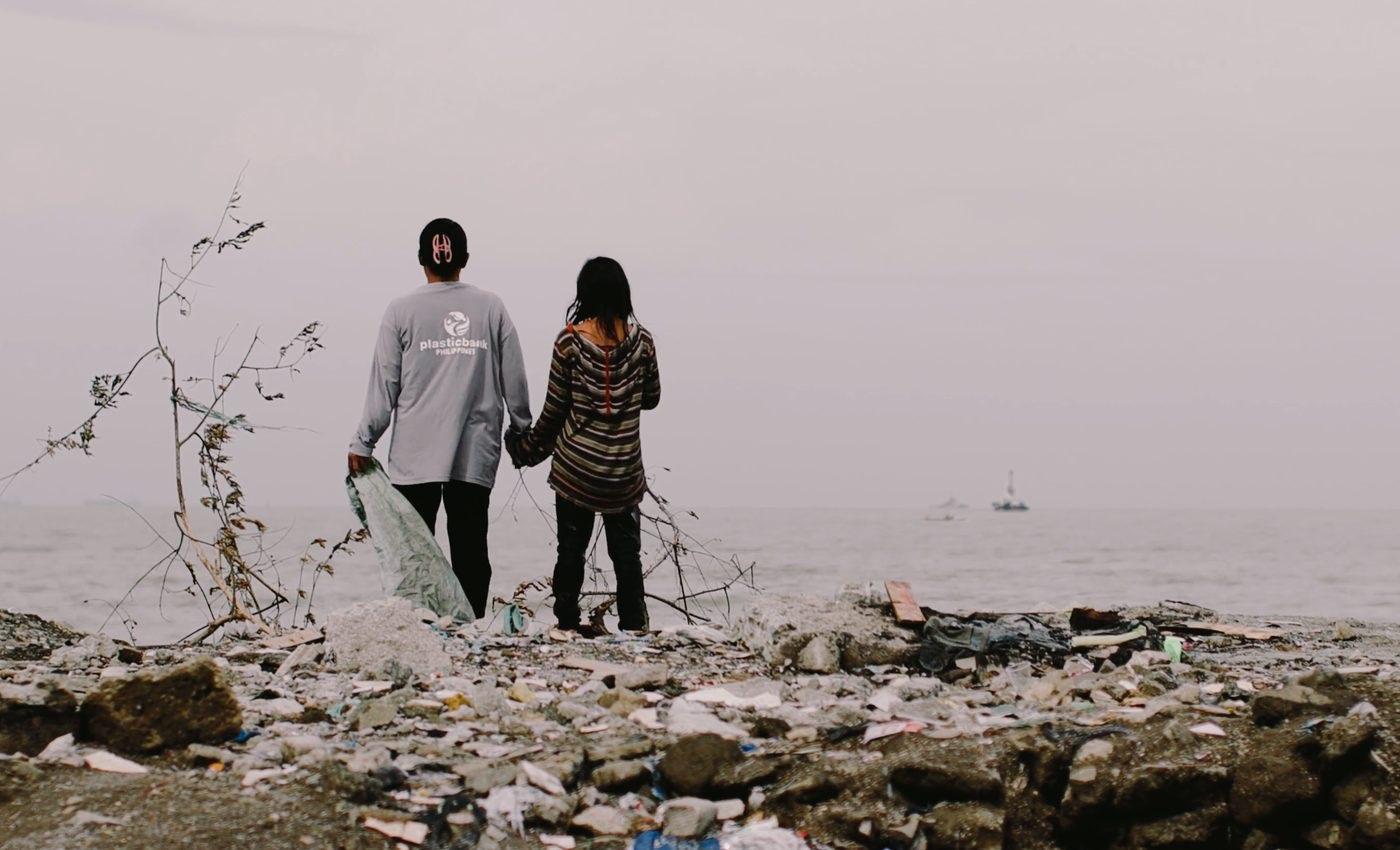
Danny, a fisherman, collects plastic floating in the sea and on nearby beaches during his morning fishing trips, while his wife Juvy cleans and sorts it at home. Together they are two of Plastic Bank's 17,000+ collectors, turning every fishing trip into a cleanup.
Part of 1+ billion bottles kept from the ocean“We're not just fishing for food anymore - we're fishing for the future. Every piece of plastic we remove from the water is a victory for our ocean and our community.”
Every pound of waste removed saves countless marine animals from entanglement and ingestion of harmful plastics.
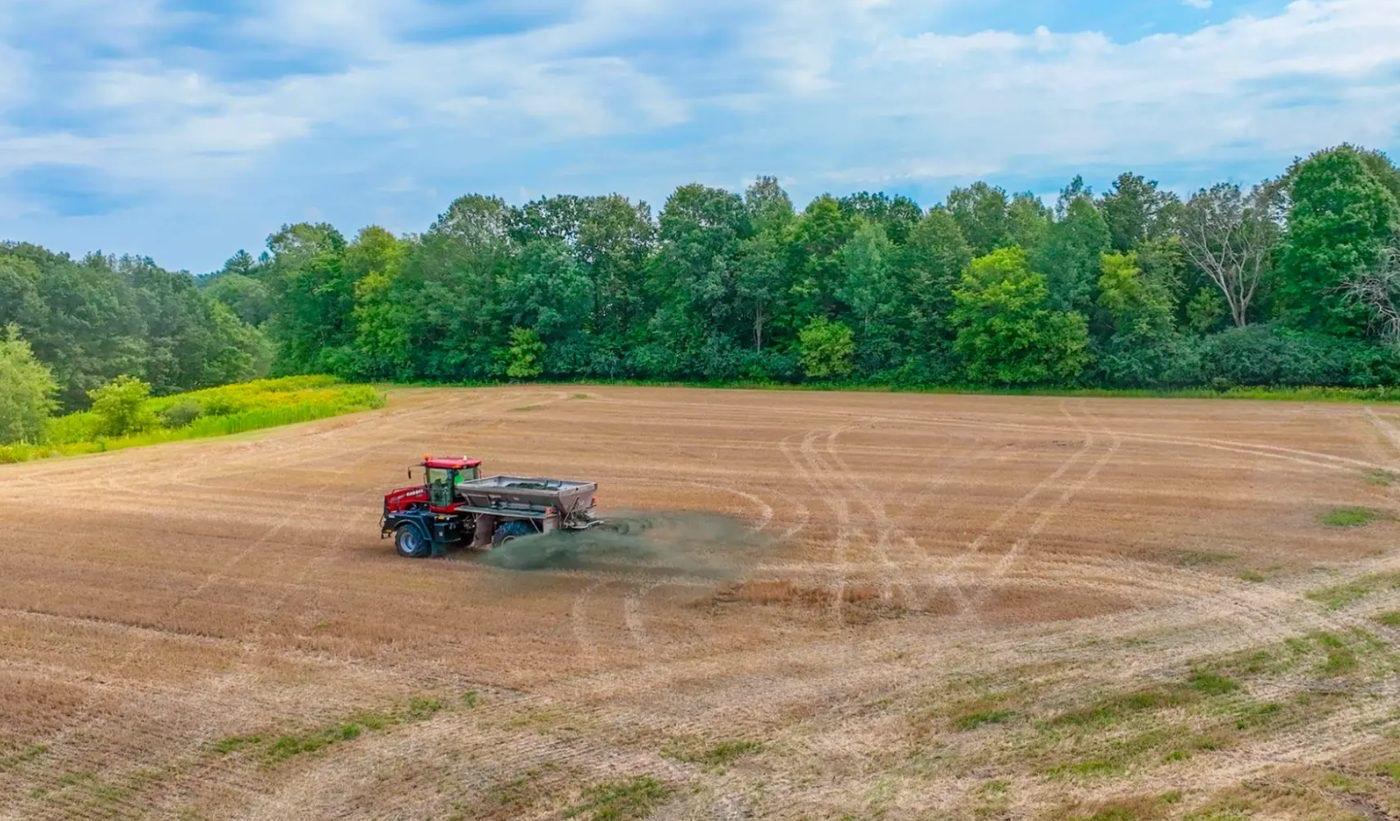
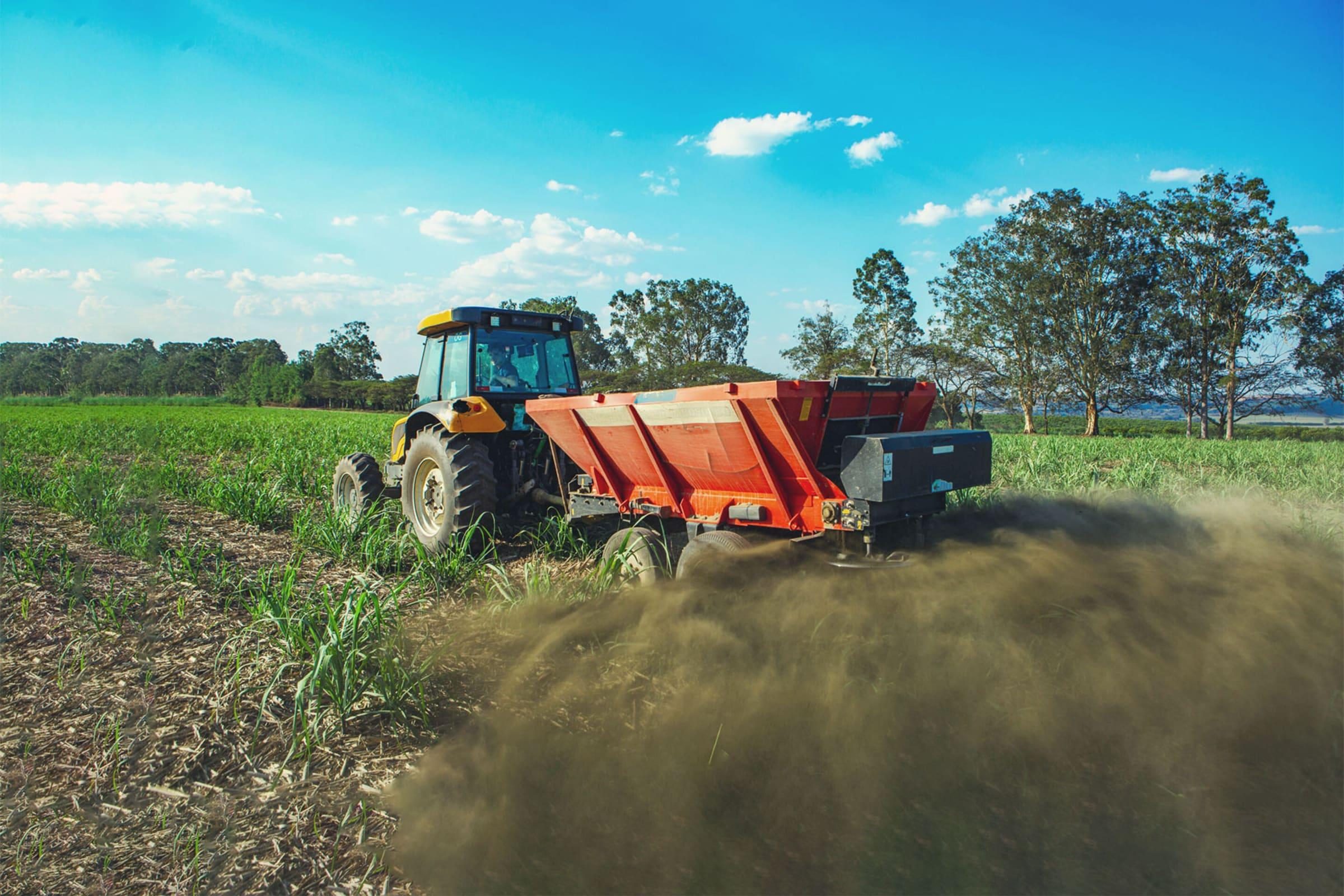
We direct funds to advanced carbon capture technologies that are removing CO₂ from the atmosphere and storing it permanently underground. Through cutting-edge direct air capture, weathering & mineralization and biomass removal & storage, we're scaling the most promising climate solutions to create a carbon-negative future.
weathering & mineralization
To avoid the worst effects of climate change, most climate models agree it won't be enough to just reduce emissions. We'll also need to permanently remove gigatons of carbon dioxide already in the atmosphere and ocean.
While we have some ways to capture carbon, such as planting trees or soil carbon sequestration, these solutions alone are unlikely to scale to the size of the problem. In short, we need a gigaton-scale portfolio of new and permanent carbon removal solutions.
While carbon removal has made significant progress over the past few years, it's still not at all on track to get to the required scale. Permanent removals by new technologies still add up to a tiny fraction of the scale needed every year. Having carbon removal impact options can give the industry the confidence to begin building, and to do so with urgency.
Every pound of CO₂ captured and stored creates lasting climate benefits while advancing breakthrough technologies that will define our planet's future. Our comprehensive approach tackles atmospheric carbon at scale.
Discover the cutting-edge technologies we support to remove CO₂ from the atmosphere and store it permanently.
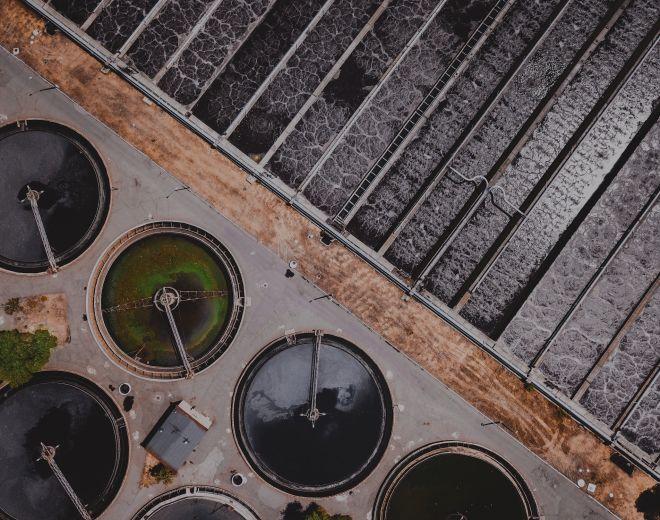
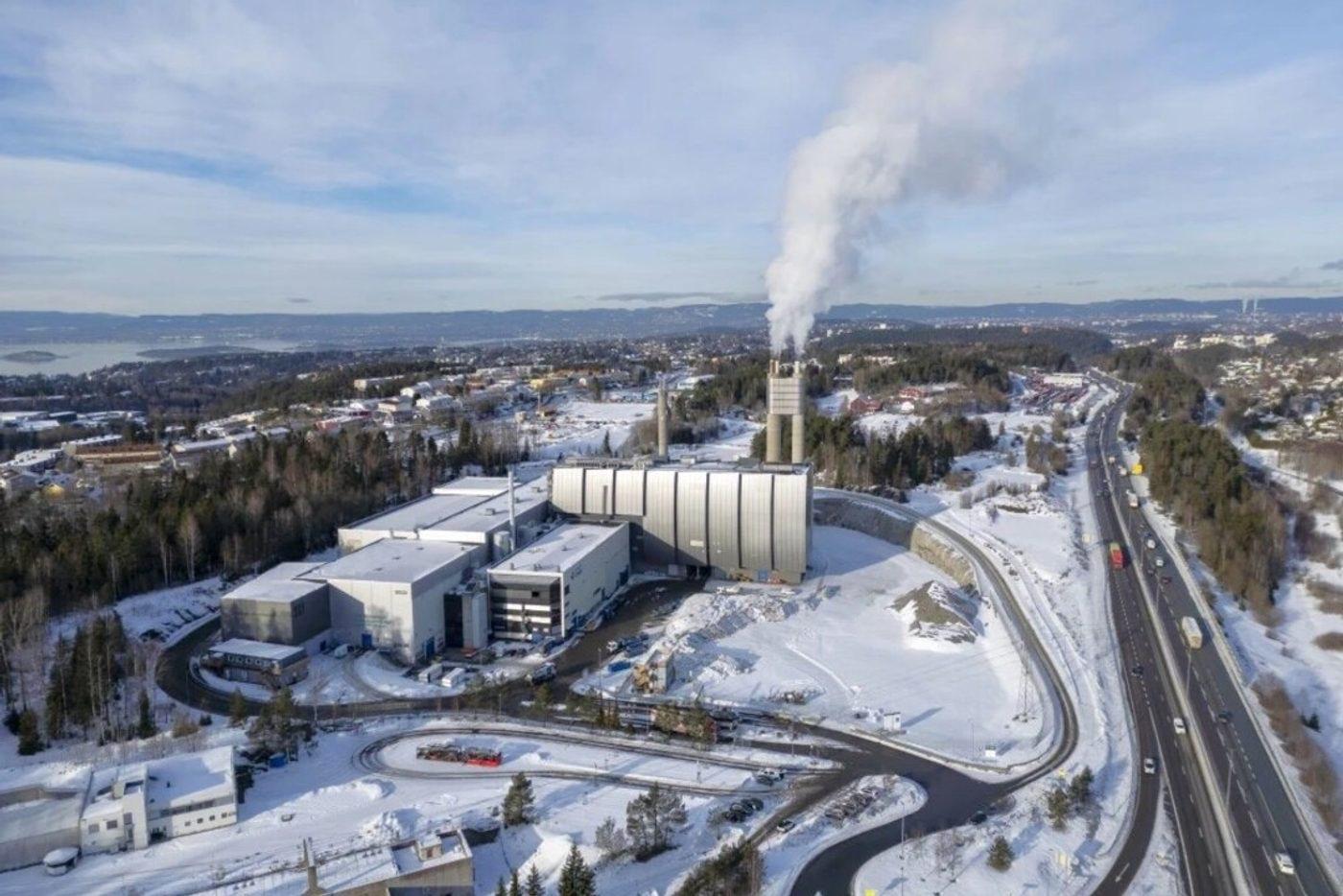
Biomass carbon removal and storage (BiCRS) are processes that take biomass or organic waste, which contain carbon captured via photosynthesis, and durably store the embodied carbon.
Takes organic matter that has captured CO₂ through photosynthesis and converts it into stable carbon storage through processes like pyrolysis, gasification, or burial in geological formations.
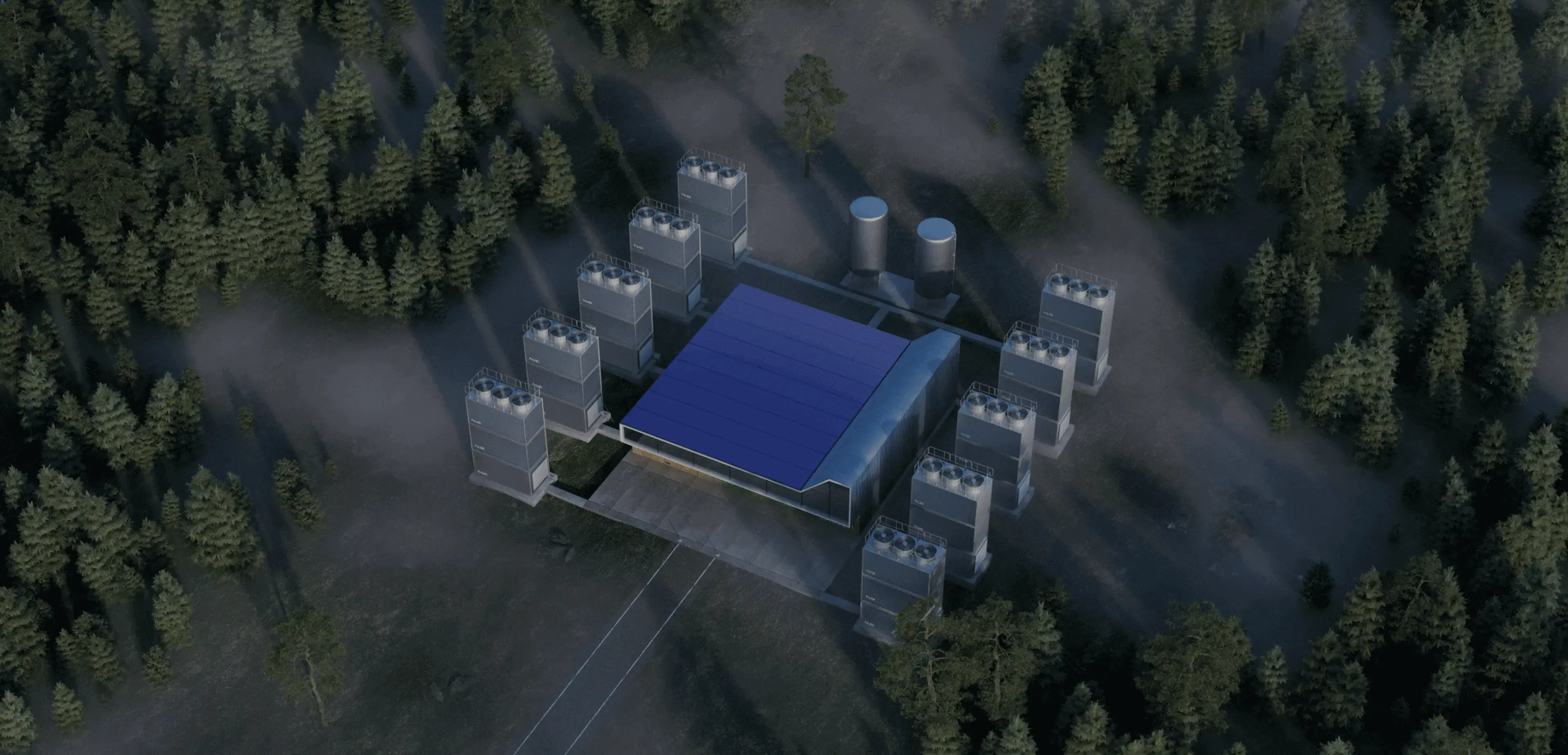
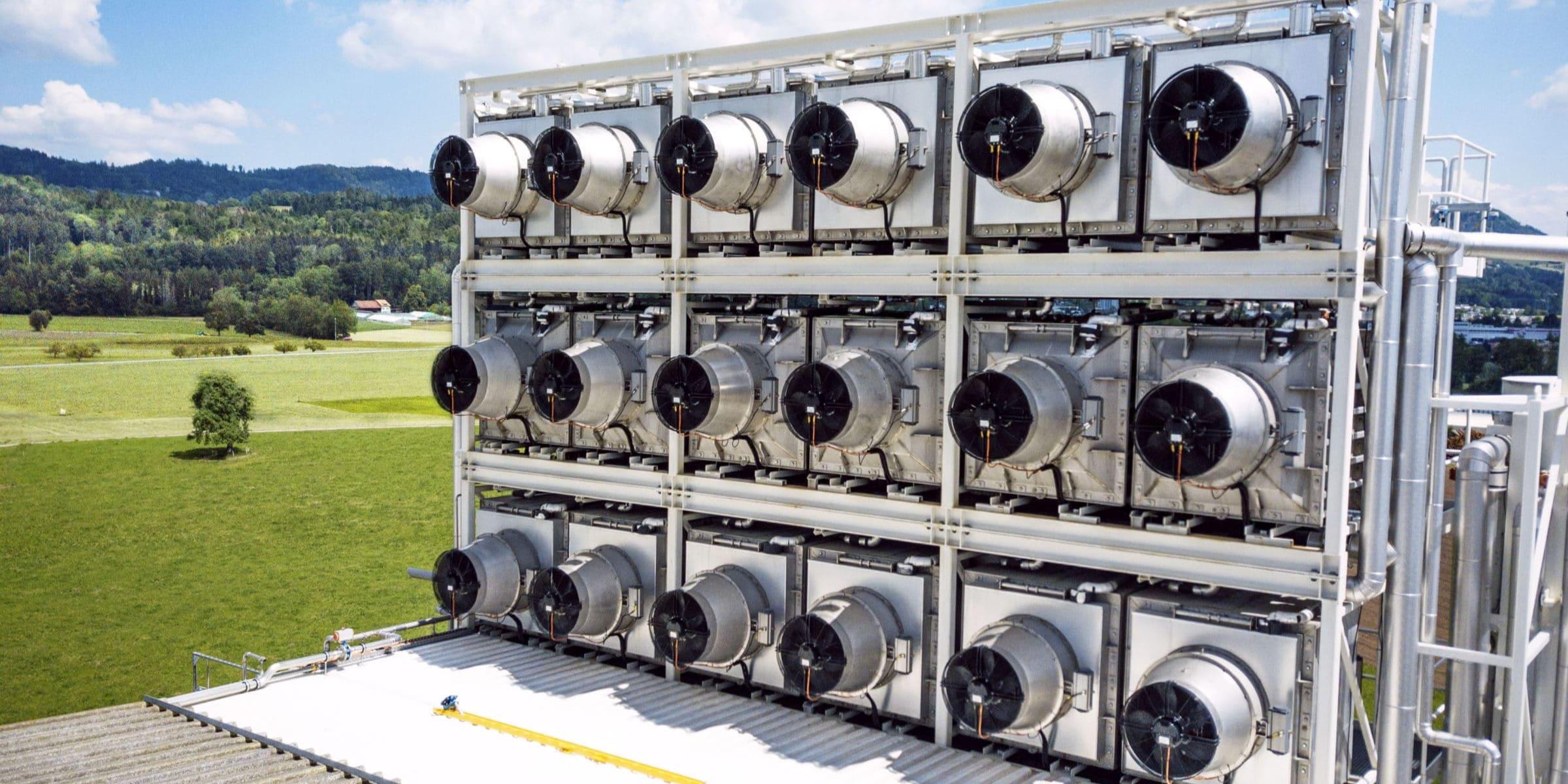
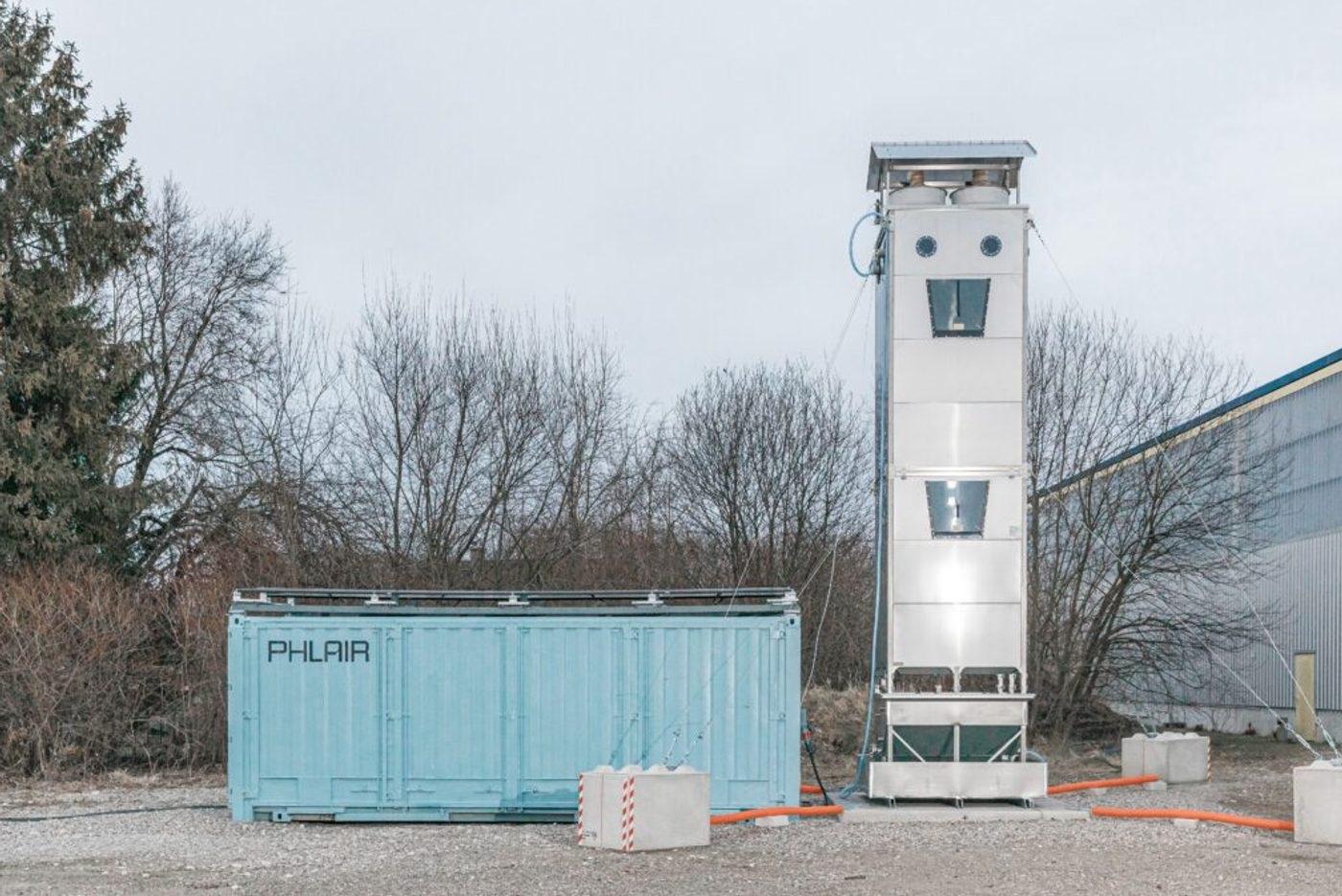
Direct air capture (DAC) is the process of pulling CO₂ out of ambient air. It is a cyclical process in which a sorbent or solvent undergoes repeated cycles of CO₂ capture and release. The stream of CO₂ can then be coupled with geologic sequestration or mineralization for permanent carbon removal.
Uses specialized machines with chemical processes to extract CO₂ directly from the atmosphere, then compresses and stores it permanently underground or in durable materials.
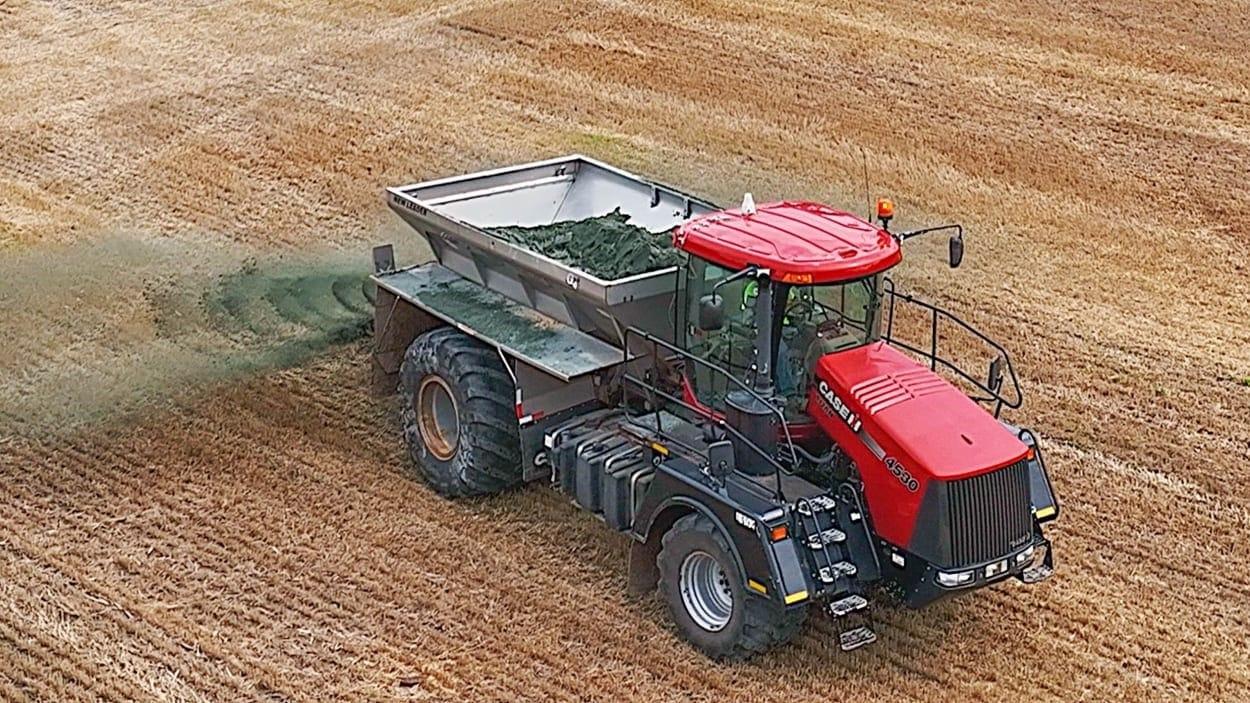
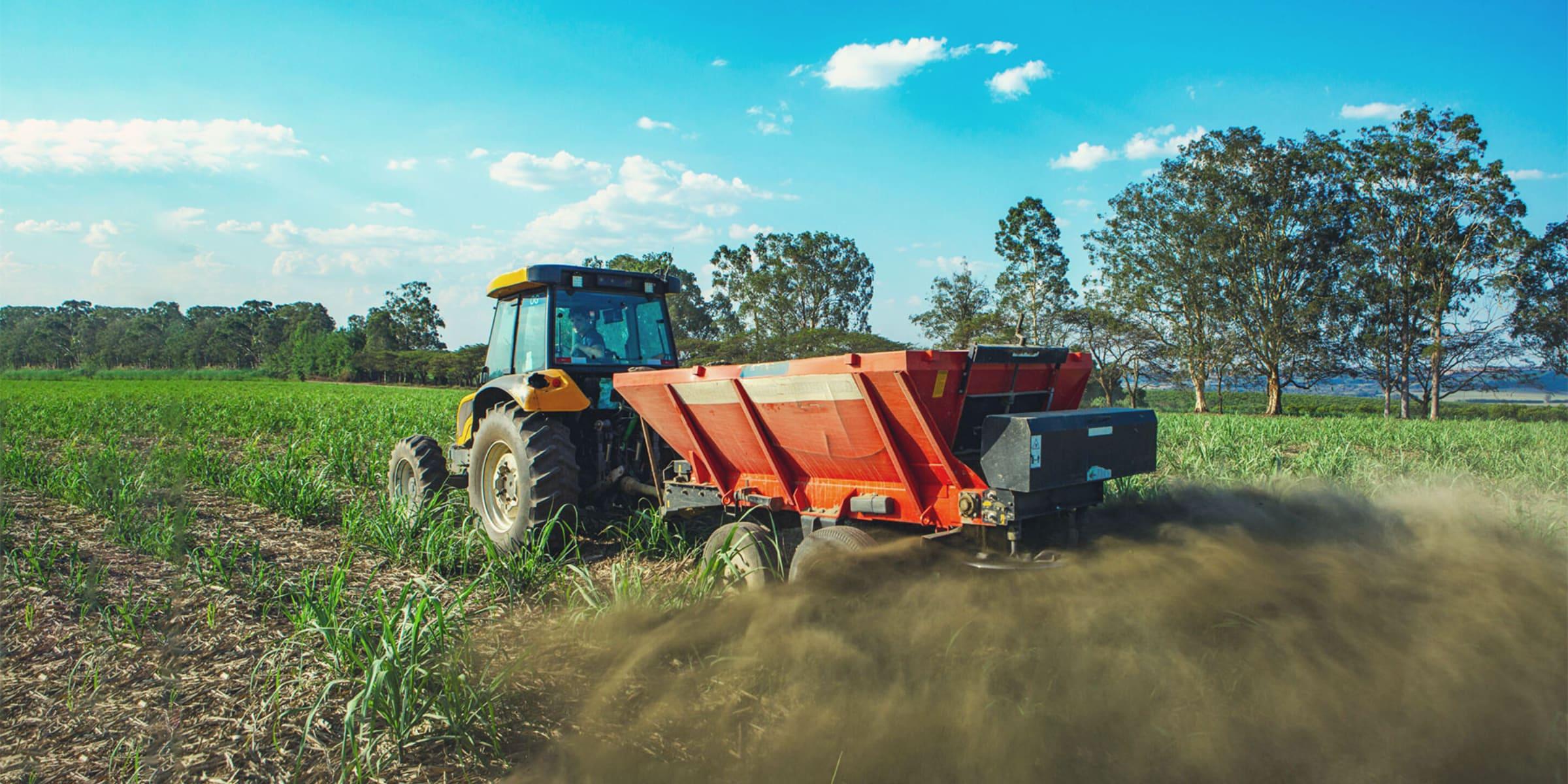
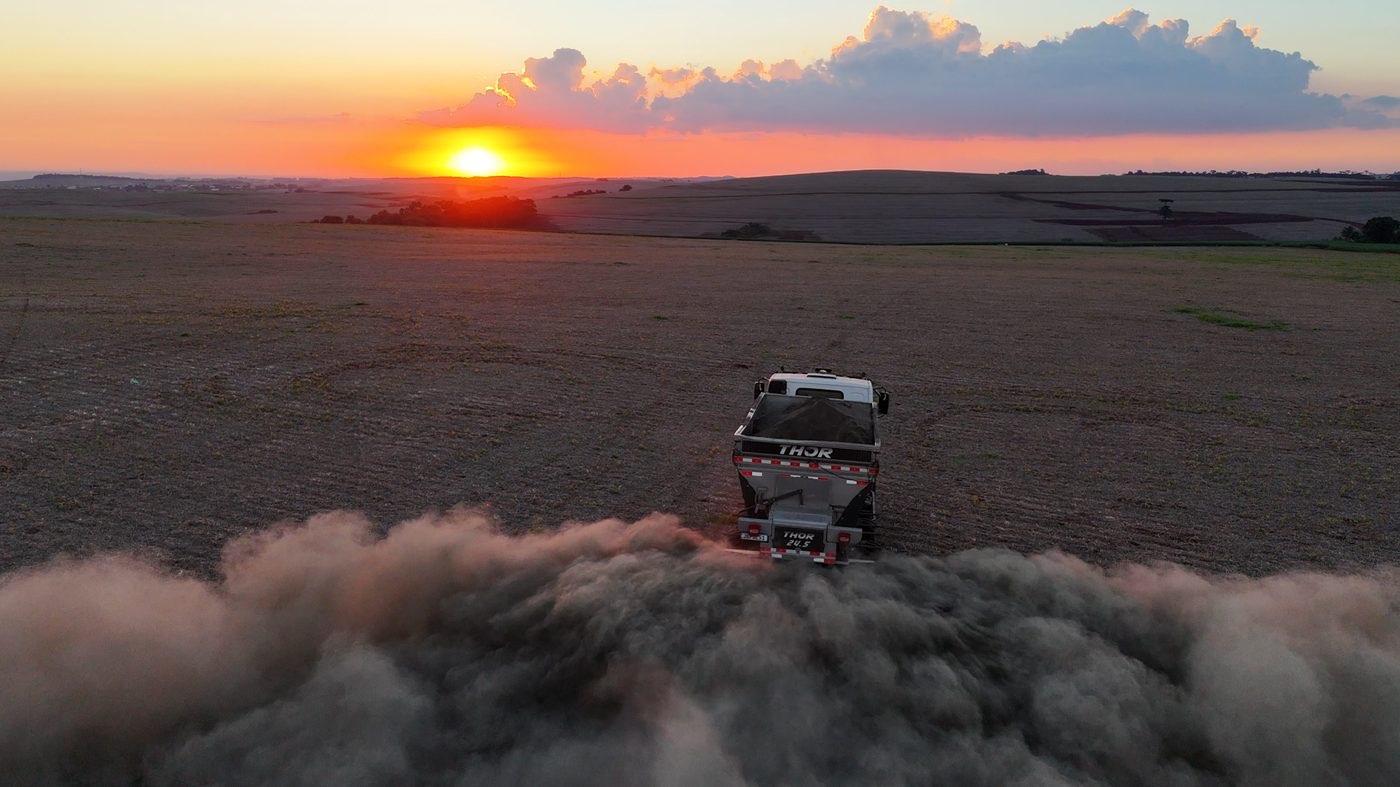
Enhanced Weathering and Mineralization (EW&M) are carbon removal processes that speed up the natural weathering of alkaline materials, releasing cations that capture and convert CO₂ into stable, durable compounds. These compounds can either be stored at the site of mineralization or carried by watersheds and rivers into the ocean.
Accelerates natural rock weathering by spreading crushed alkaline minerals on land or in oceans, where they react with CO₂ to form stable carbonate minerals.
 Delivered withFrontierAdvancing carbon removal technologies through advance market commitments
We channel our carbon capture investments through Frontier, an advance market commitment that helps promising carbon removal technologies scale. Frontier aggregates demand from leading companies to de-risk and accelerate the most impactful climate technologies.
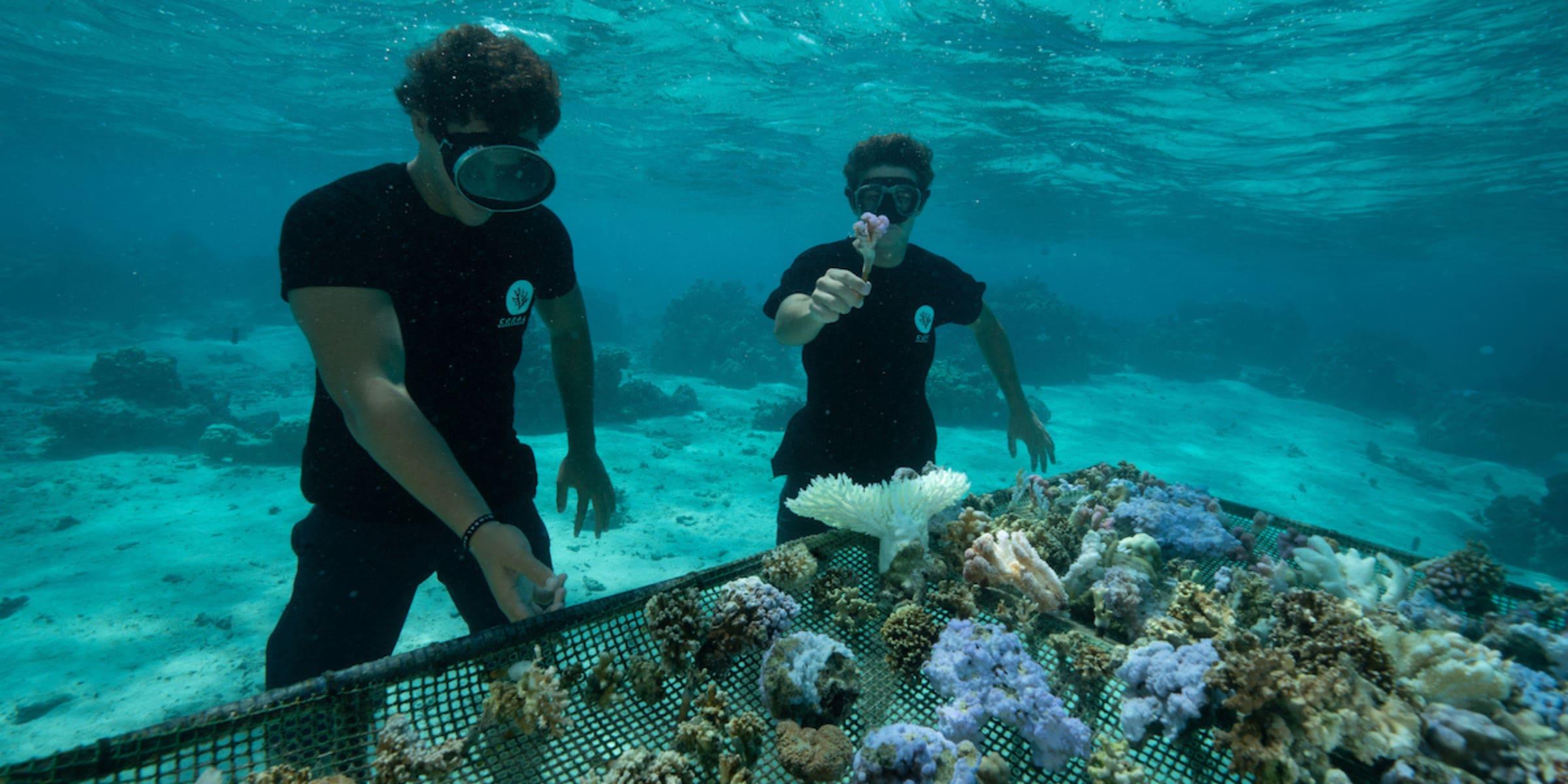
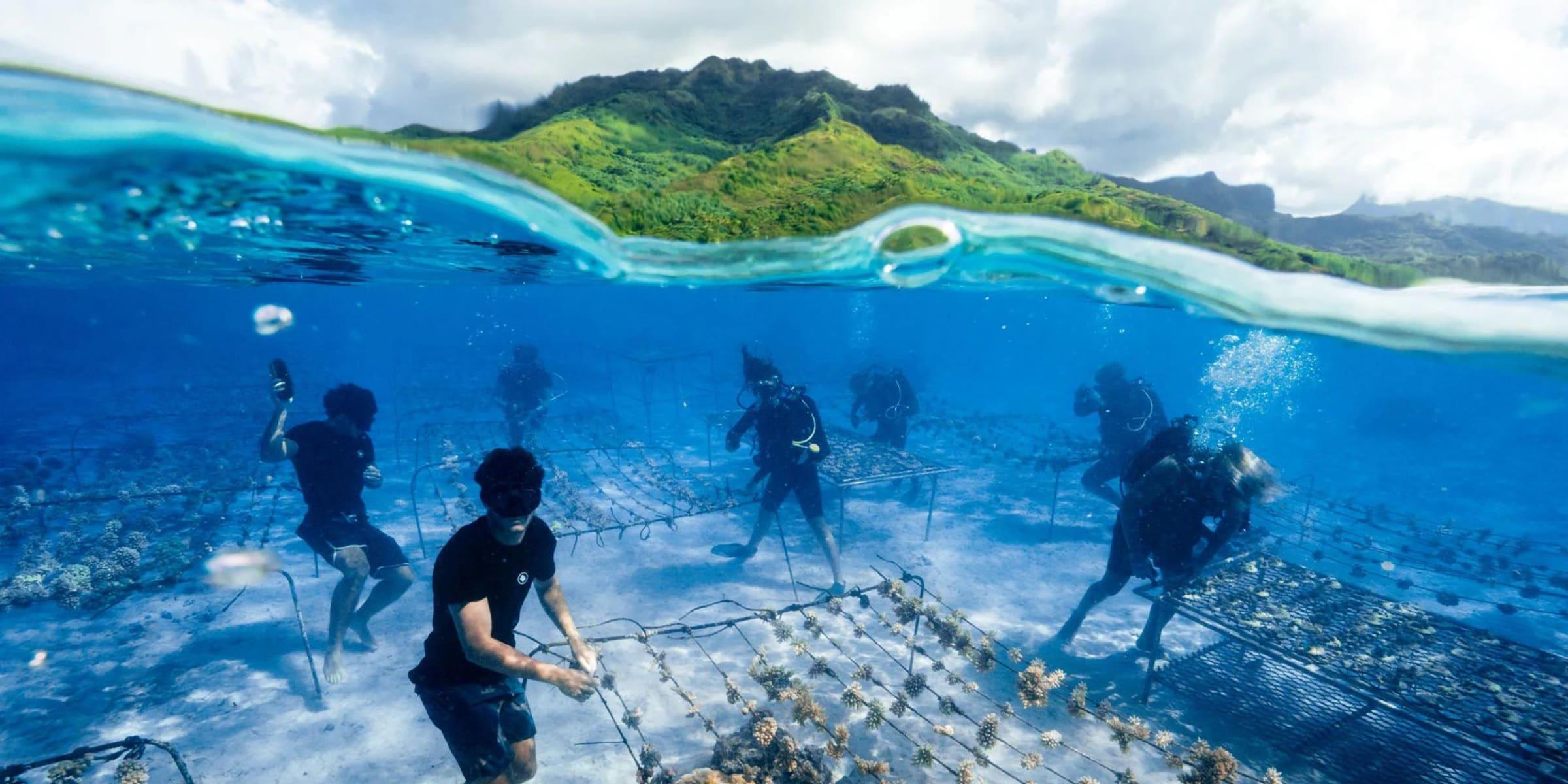
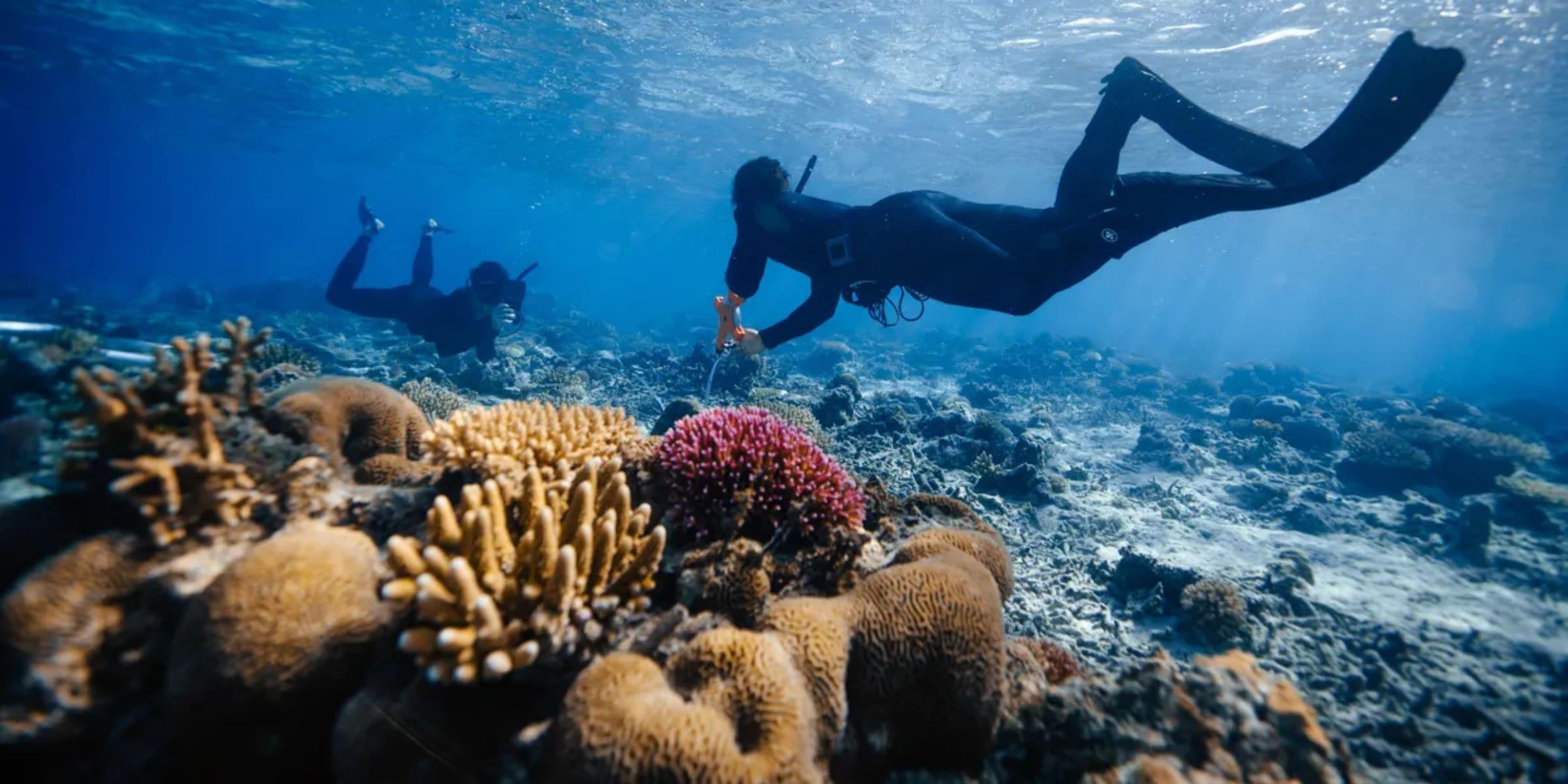
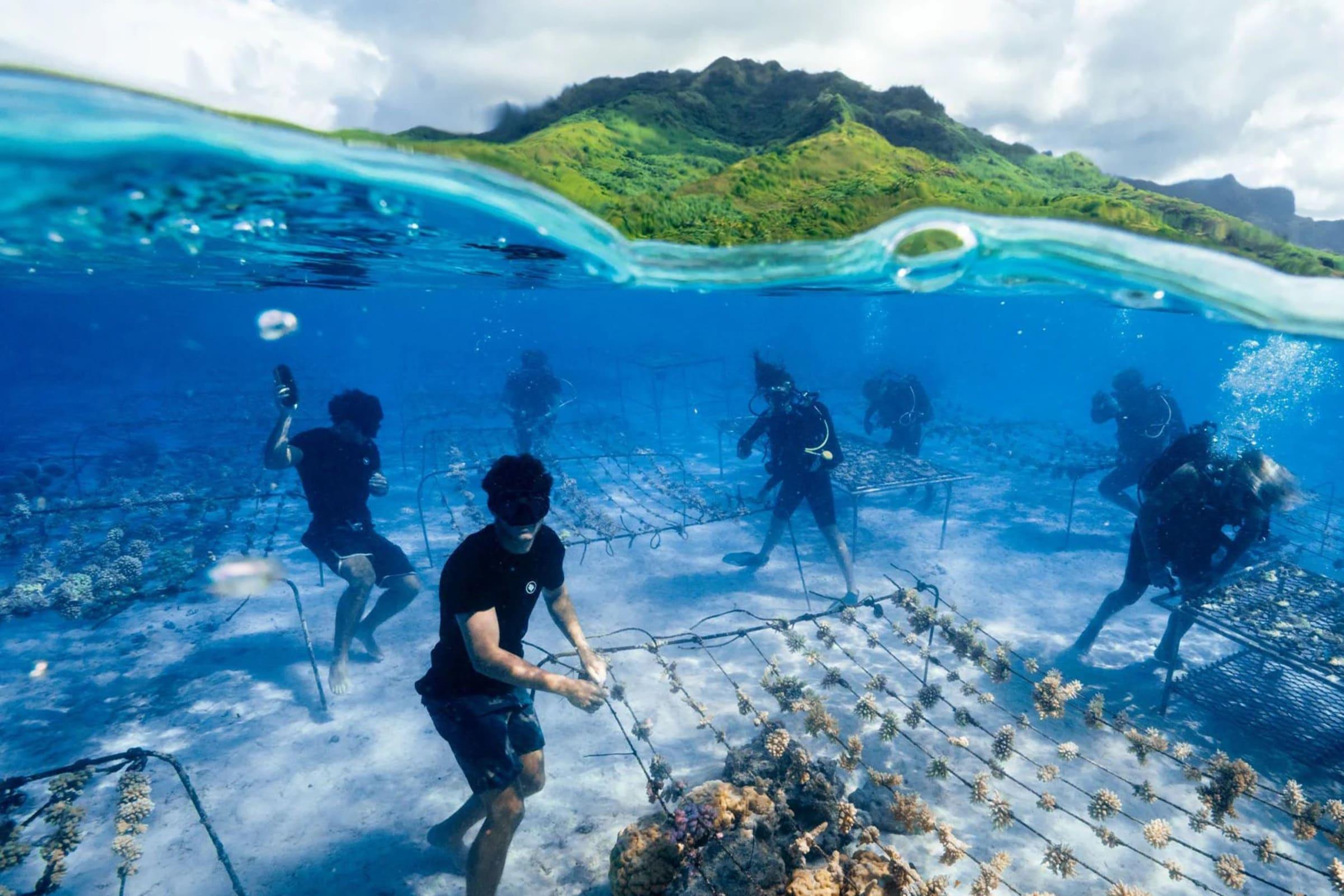
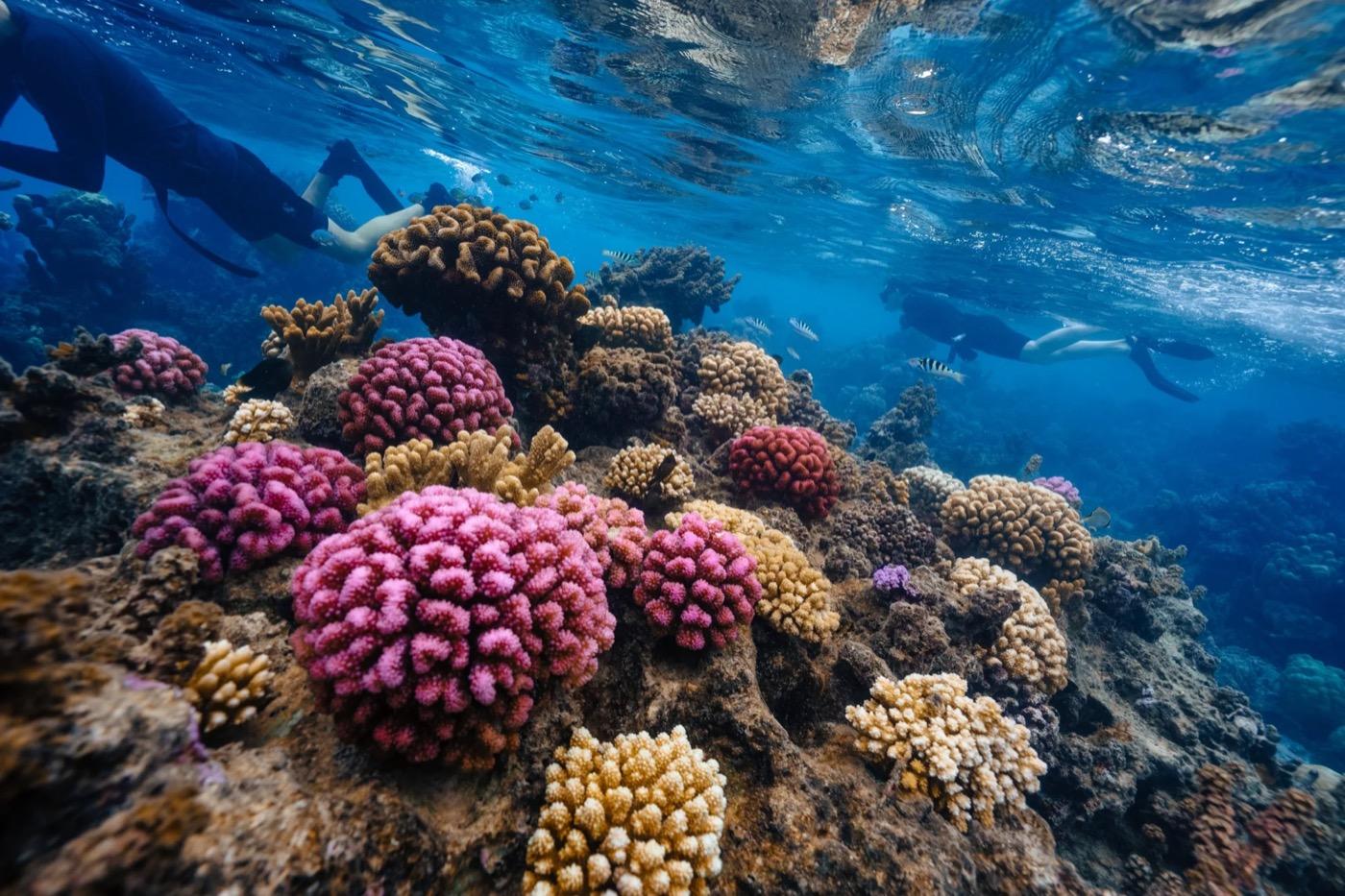
Coral reefs support the highest biodiversity of any ecosystem on Earth, and an estimated half have been lost in the last 30 years. We fund restoration teams that grow, replant and monitor coral in Indonesia, French Polynesia and Fiji.
Coral Gardeners · Malolo Island, Fiji
Corals are living animals: colonies of tiny polyps whose calcium-carbonate skeletons, built over millennia, form the reefs that are the foundation of these underwater ecosystems.
coral species can live on a single reef, sheltering algae, sponges, worms, molluscs, crustaceans and fish.
marine species shelter on reefs, and reefs protect island coastlines from storms.
of coral reefs lost in the last 30 years, declining faster than birds, mammals or amphibians.
Teams collect fragments from ‘super corals’ that survived bleaching, or loose pieces that naturally broke off the healthy reef.
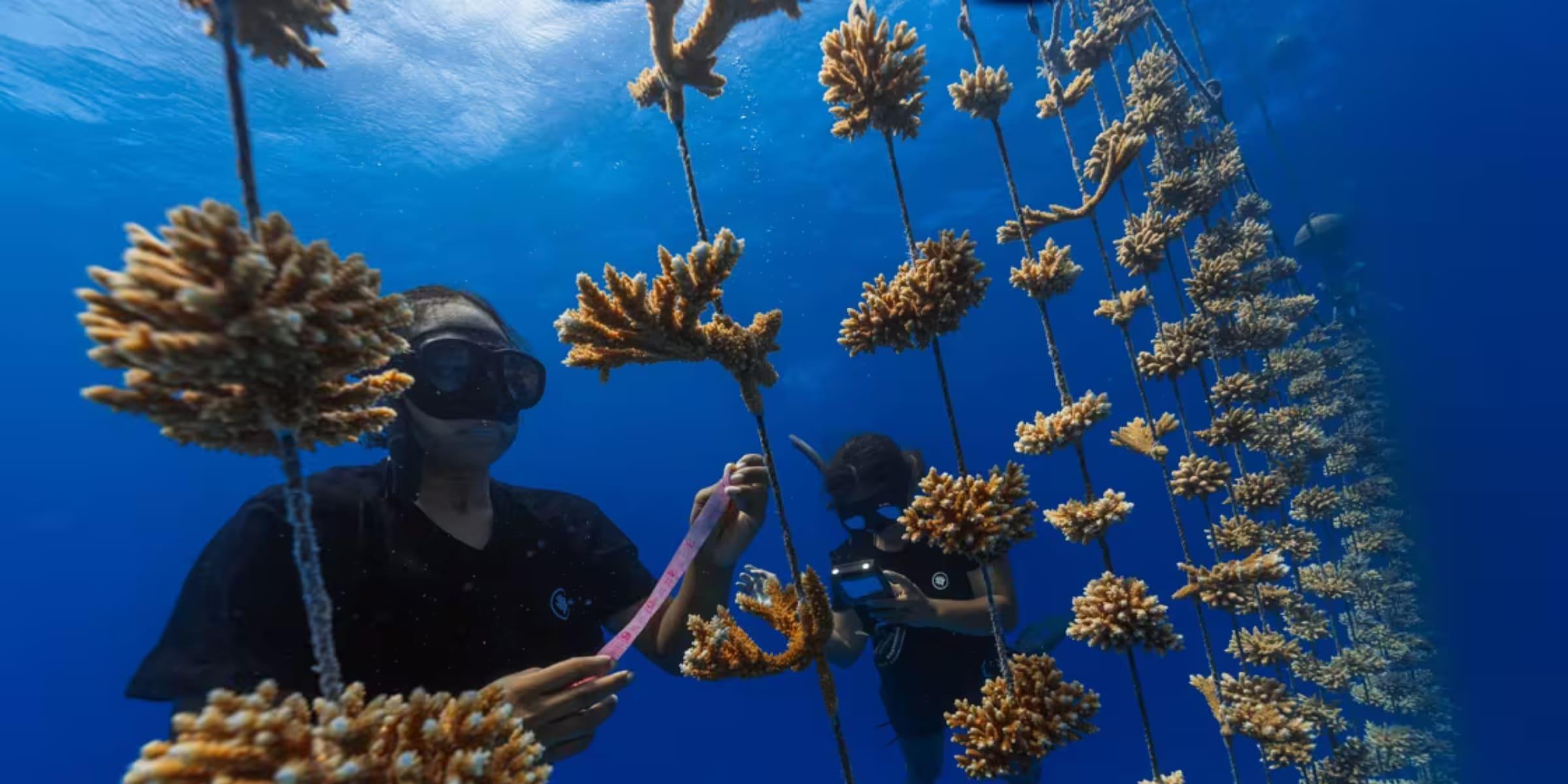
Fragments grow for about a year in sheltered underwater nurseries. On rubble, steel hexagon frames coated in resin and sand hold the seabed still.
Colonies are planted on degraded reef. Pieces of the same coral go side by side so they fuse back into one large, resilient colony.
Divers log growth and health in the Reef App, while ReefOS sensors, cameras and AI track temperature and survival in real time.
Every 15 fragments knit together into one reef structure, about 2,160 cm².
Every fragment is tracked, and each site has a video from the team in the water.

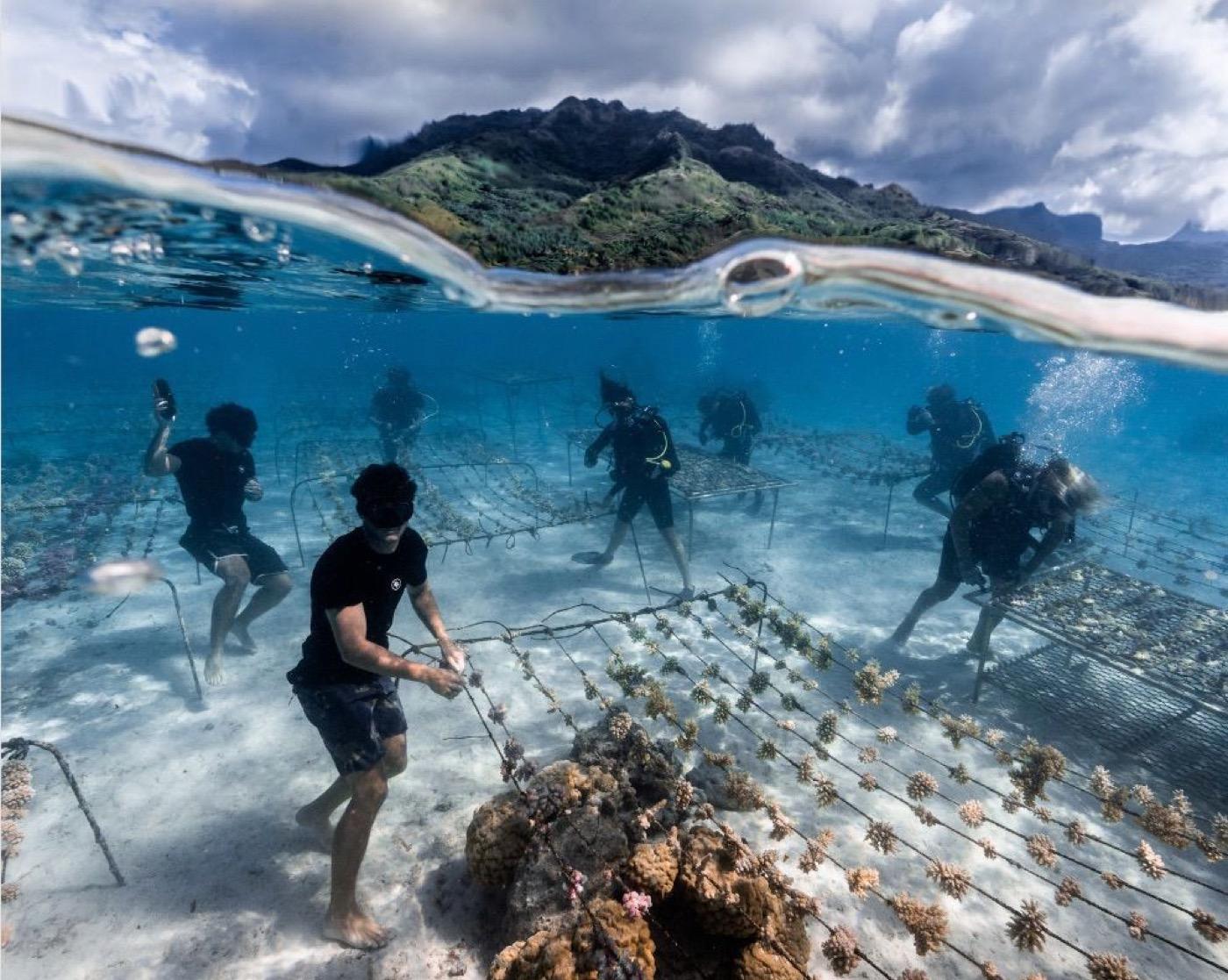
Since 2017 Coral Gardeners has planted more than 100,000 corals across French Polynesia and Fiji. Every fragment you fund joins that count.
“Restoration is not a substitute for cutting emissions, but where local threats can be managed it is one of the most tangible ways to bring a dying reef back to life.”a planted colony, and the 3D scan the team builds of it to measure growth
Verified, transparent and active around the world — 26 projects across 18 countries.
Hover over and click a location to explore the project.
Join thousands of businesses turning everyday transactions into verified environmental action.