
Plant a Tree for Every Order: Setup Guide for Online Stores
How to plant a tree for every order on Shopify, WooCommerce, Magento or any checkout: the cost per order, four trigger modes and what to tell customers.
A tree for every order is cheap and quick to set up. Describing it honestly is where most stores go wrong.
per tree. On a $60 order that is under 1% of revenue
ways to trigger it: per order, per product, customer choice, fixed monthly
API call per order, or no code at all with the free Shopify app
verified projects the tree can go to, each with GPS and photos
“We plant a tree for every order” is one of the few sustainability promises a store can make that a customer understands in the time it takes to read it. It is also cheap, easy to wire up and easy to prove, which is why it has spread from a handful of outdoor brands to comic shops, memorial sites and travel apps. This guide covers what it costs per order, the four ways to trigger it, how to set it up on each platform, and the mistakes that turn a good idea into a greenwashing complaint.
The short version
- A tree per order costs $0.40 at 1ClickImpact. At 1,000 orders a month that is $400, less than most stores spend on a single discount campaign.
- Four ways to trigger it: one tree per order, one per product, the customer picks at checkout, or a fixed number a month. Shopify stores get all four in a free app; everyone else uses Zapier or one API call.
- Proof is built in. Every tree goes to a named project with GPS and photo evidence, the customer gets a certificate by email, and your public profile shows the running total.
- Say exactly what you do. 'We fund one tree planted by Trees for the Future for every order' is a claim you can back. 'Carbon neutral shipping' is not, and regulators now check.
What a tree per order costs
A tree costs $0.40 at 1ClickImpact. The Shopify app is free with no plan at all, and the API comes with a monthly plan that includes the calls. So the cost is almost entirely the trees, and it rises and falls with your orders instead of coming as an annual contract. On a $60 average order, one tree is under one percent of revenue.
| Store size | Trees per month | Notes |
|---|---|---|
| 200 orders / month | $80 | Free Shopify app, or one API call per order |
| 1,000 orders / month | $400 | One tree per paid order |
| 5,000 orders / month | $2,000 | Volume pricing available above this |
That is the cost side. For the revenue side, the revenue calculator estimates what adding impact at checkout does to conversion at your order volume and average order value.
Why a tree is this cheap, and what the price does and does not include, is the subject of How Much Does It Cost to Plant a Tree?. The short answer is that a seedling raised in a local nursery and planted by a farmer on their own land does not cost what a landscaper charges. And for why it matters at all, fifteen billion trees are cut down every year.
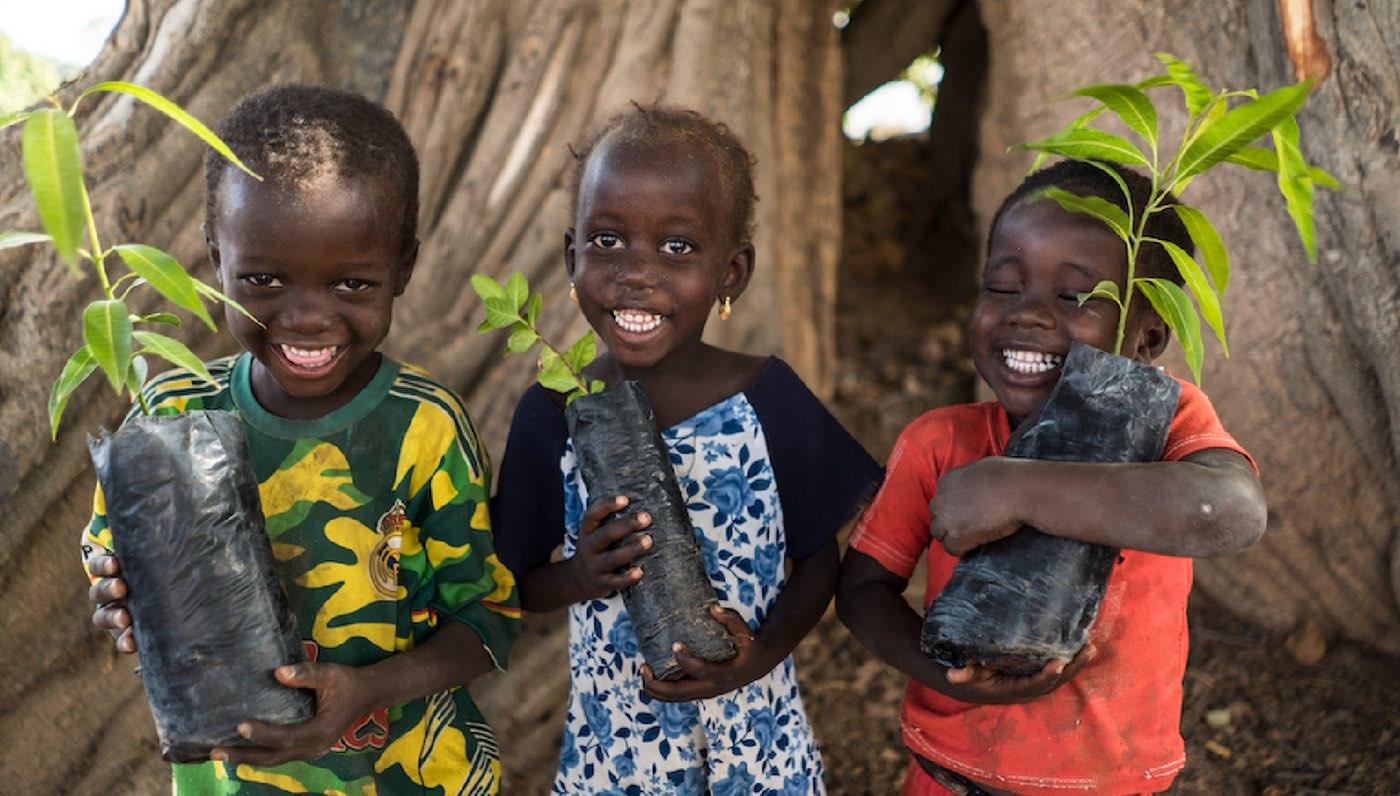 Uganda, Forest Garden Program
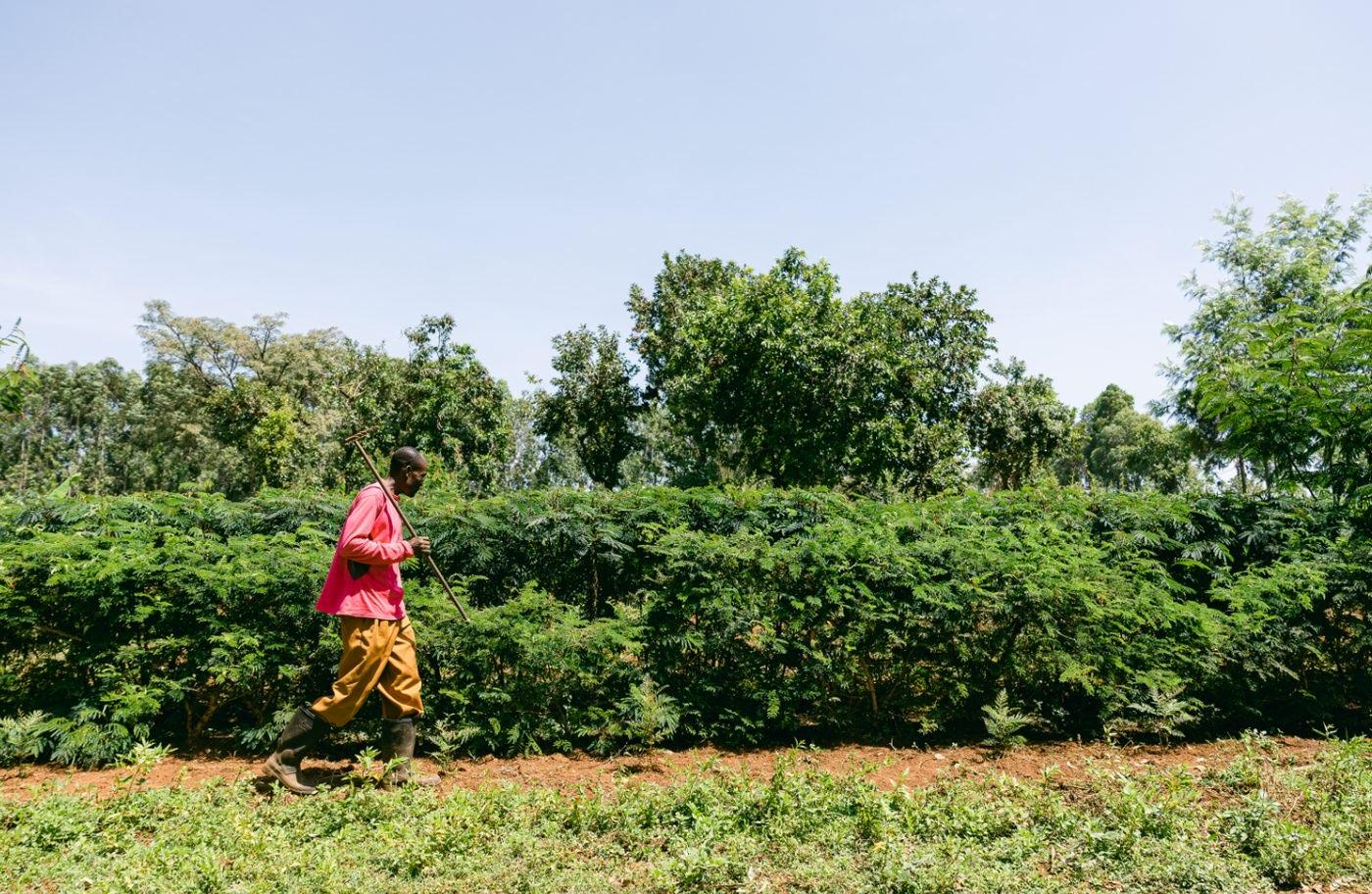 Kenya, Forest Garden Program
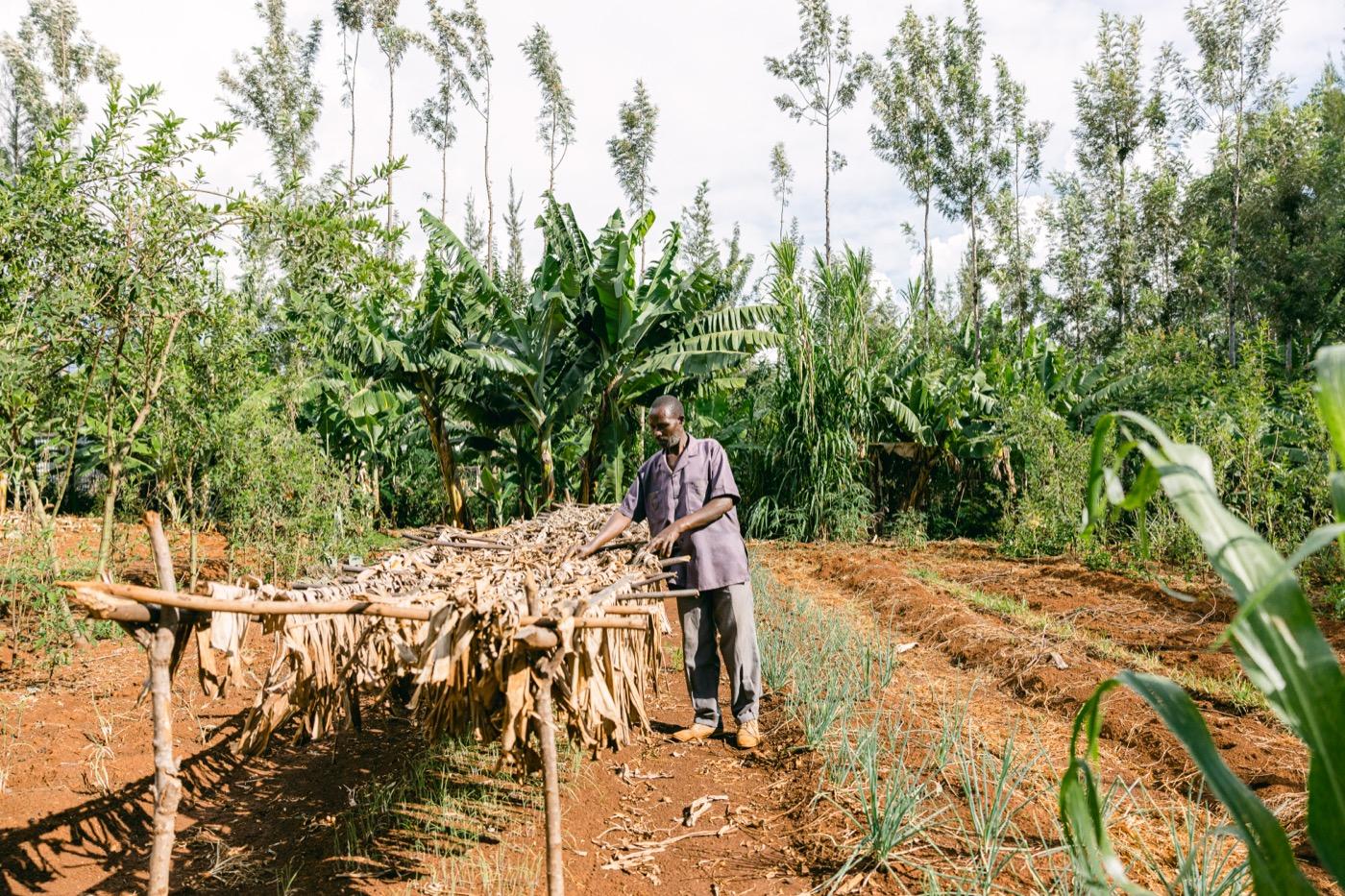 Tanzania, forest gardens
 India, Kesar mango orchards
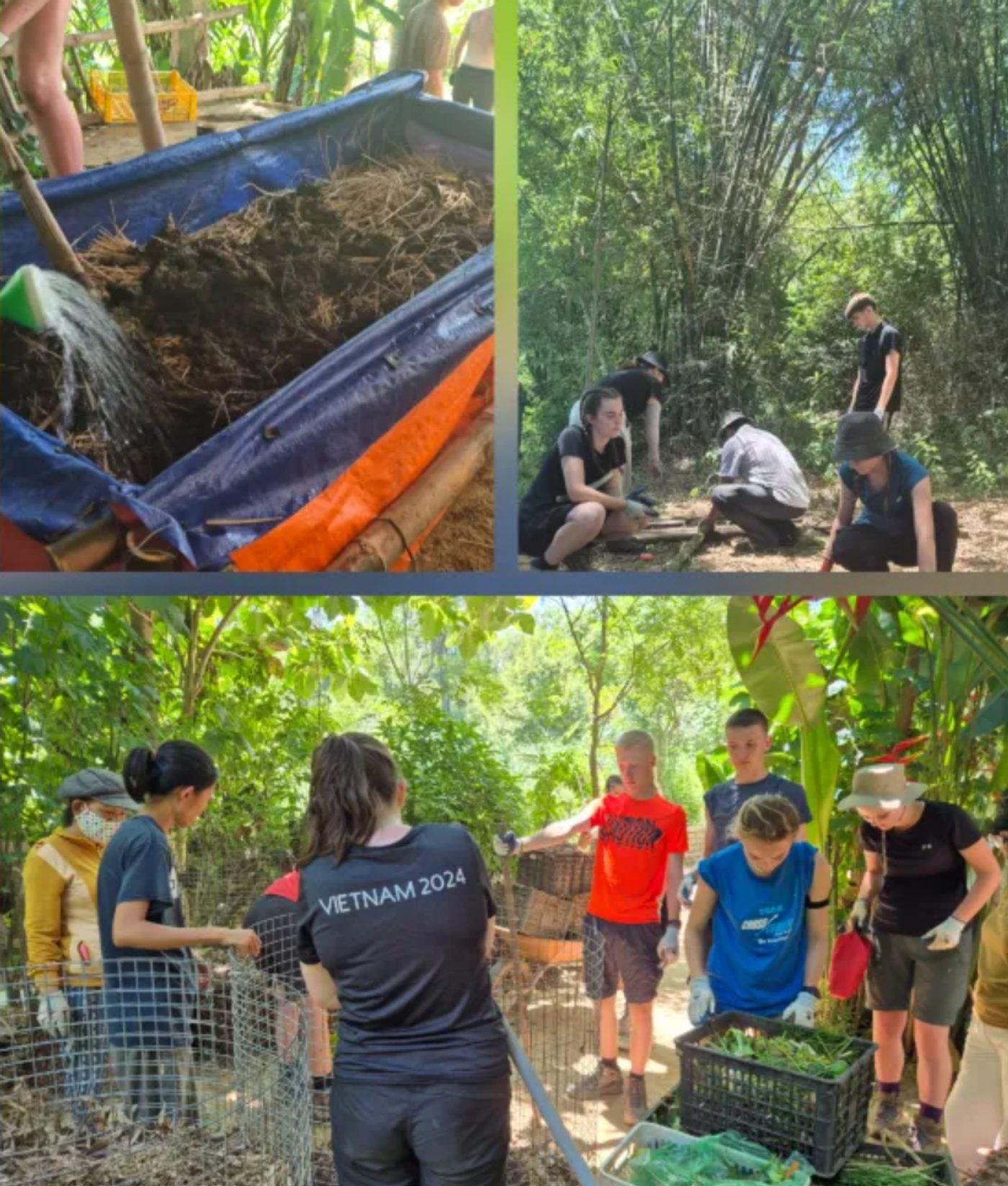 Vietnam, food forests
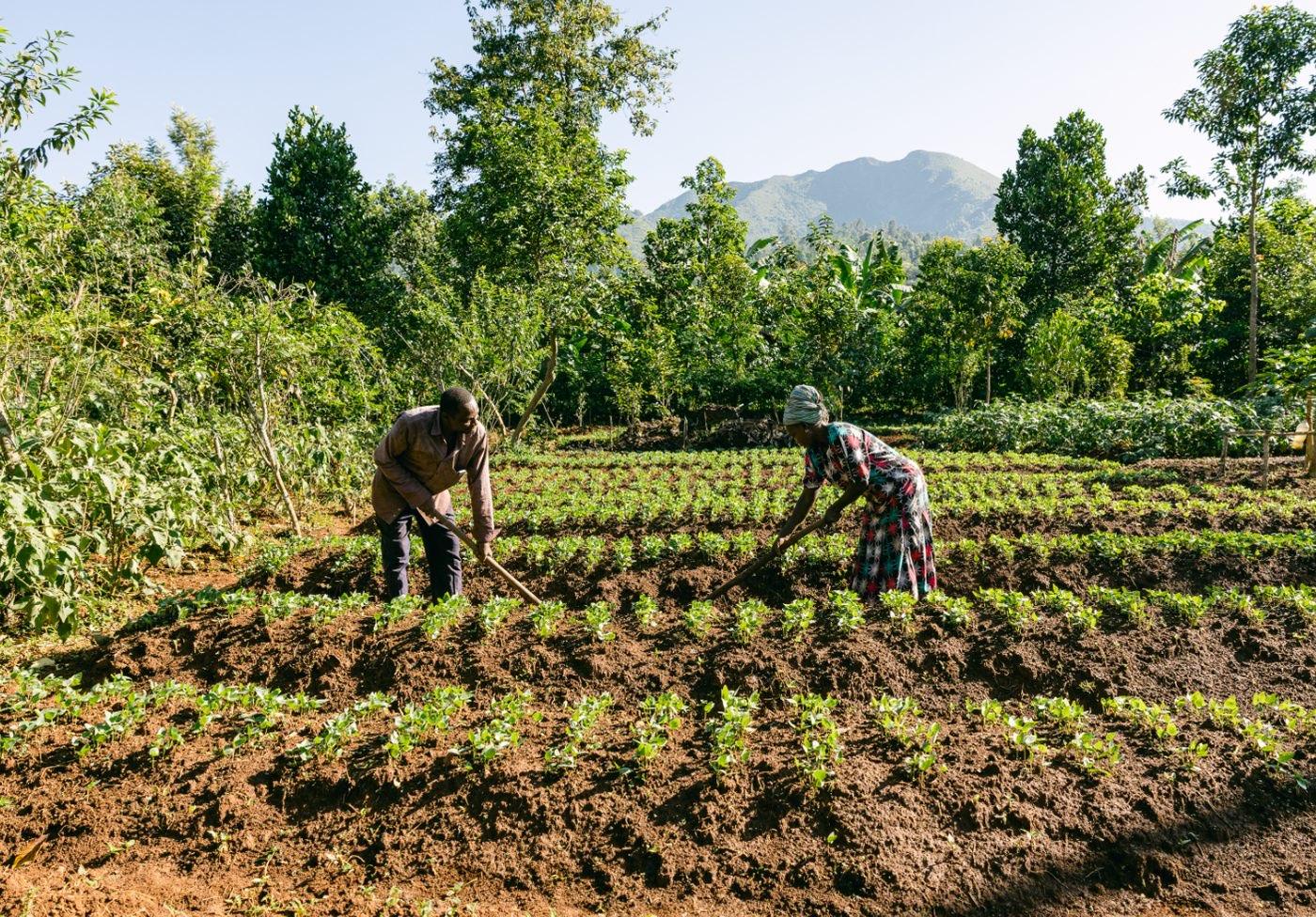 Senegal, Great Green Wall
Per order, per product, customer choice or fixed monthly
“A tree for every order” is the headline, but it is one of four triggers a store can use, and the right one depends on margins and on what you want to learn. All four are built into the Shopify app; on the API you implement whichever rule you like.
- 01
Per order
One tree (or more) the moment an order is paid. The simplest promise to make and the easiest for a customer to understand. Most stores start here.
- 02
Per product
Attach the tree to specific products or collections instead of the whole cart. Useful when one line sells on sustainability and another does not, or when margins differ a lot.
- 03
Customer picks at checkout
The buyer chooses the impact on the order confirmation page: a tree, a pound of ocean plastic, carbon removal or coral. Participation is the signal, and it tells you what your customers care about.
- 04
Fixed monthly
A set number of trees each month regardless of sales, for a store that wants a steady, predictable line in its budget and a number it can print on the About page.
How to set it up on your platform
Shopify
Install the free 1ClickImpact app, pick a trigger mode, and the app plants on every paid order. There is no monthly fee and no feature tier. New installs get a starter pack of 100 trees and 230 plastic bottles removed to show customers before the first sale.
Zapier (no code)
Connect your store, payment processor or CRM to the 1ClickImpact 'Plant Trees' action. Works with Stripe, WooCommerce, Mailchimp, HubSpot and thousands of other apps. About ten minutes to set up.
REST API
One POST to /v1/plant_tree from your order webhook. Pass the customer's email so they get the certificate, and the order id in metadata so every tree is traceable to a sale. Free sandbox, official Node and Python SDKs.
WooCommerce and Magento
Both have step-by-step guides with the exact hook to use (woocommerce_order_status_completed, sales_order_invoice_pay) and a once-per-order flag so a tree is never planted twice for the same sale.
On the API, the whole integration is one request from your paid-order webhook. The customer's email sends them the certificate; the order id in metadata makes every tree traceable to a sale in your dashboard.
curl -X POST https://api.1clickimpact.com/v1/plant_tree \
  -H "Content-Type: application/json" \
  -H "x-api-key: YOUR_API_KEY" \
  -d '{
    "amount": 1,
    "customer_email": "buyer@example.com",
    "notify": true,
    "metadata": { "order_id": "ORD-456", "source": "checkout" }
  }'
Test against sandbox.1clickimpact.com first; it is free and uses the same shape. Official SDKs exist for Node and Python.
Three businesses that plant with every order
Each of these is written up as a case study, and each links to a public profile where the trees are listed by project and country. None of them is a sustainability brand. That is the point.
SoleDrift
An app for finding hidden swim spots, waterfalls and beaches. It sells memberships through Shopify.
The Shopify app runs on every order. Each membership funds tree planting, carbon removal, ocean plastic cleanup and coral restoration, with nothing to touch after the first setup.
Read the case studyCollectaComic
A US shop that buys, sells and consigns graded comic books.
Three triggers at once: a widget funds impact on site traffic, the customer picks their impact at order confirmation, and every shipment is offset through the API. Buyers can verify each line on the public profile.
Read the case studyLovekept
A free online memorial platform based in New York.
One API call per order. When a family chooses a memorial tree, from a single tree to a grove of 100, it is planted through six verified projects in six countries and listed on Lovekept's public profile by project and country.
Read the case studyWhat to tell customers, and what not to
The promise works because it is concrete, so keep it that way. Name the action, the partner and the place: “Every order plants one tree with Trees for the Future in Kenya or Uganda.” Put the live total from your public profile on the page and link to it. Send the certificate in the order confirmation email, where the customer is already looking.
Then stop. A planted tree is not a carbon offset, your shipping is not neutral because of it, and “climate positive” means nothing a regulator will accept. The EU and UK now act on unsubstantiated green claims, and the customers most likely to care about the tree are the ones most likely to check.
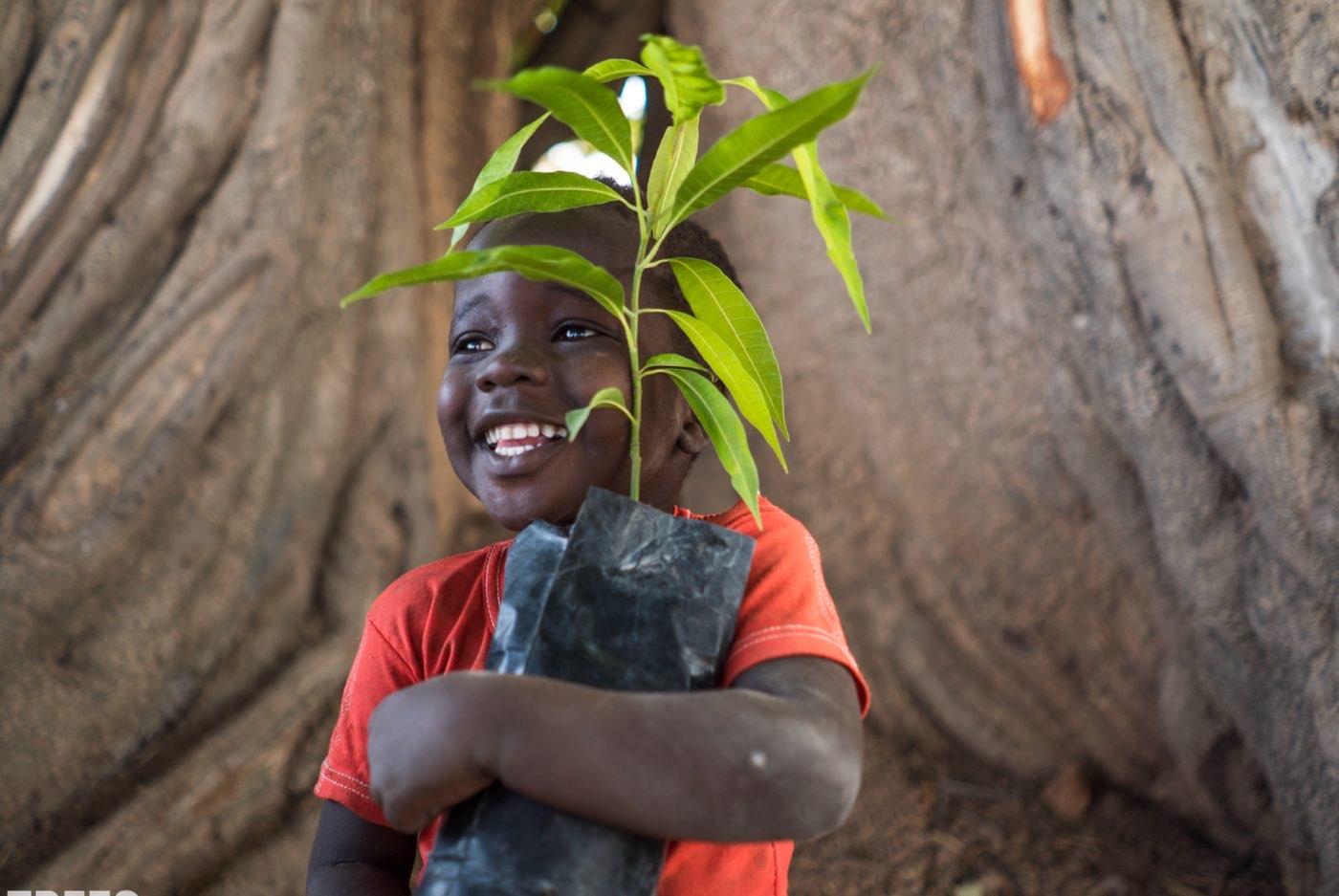

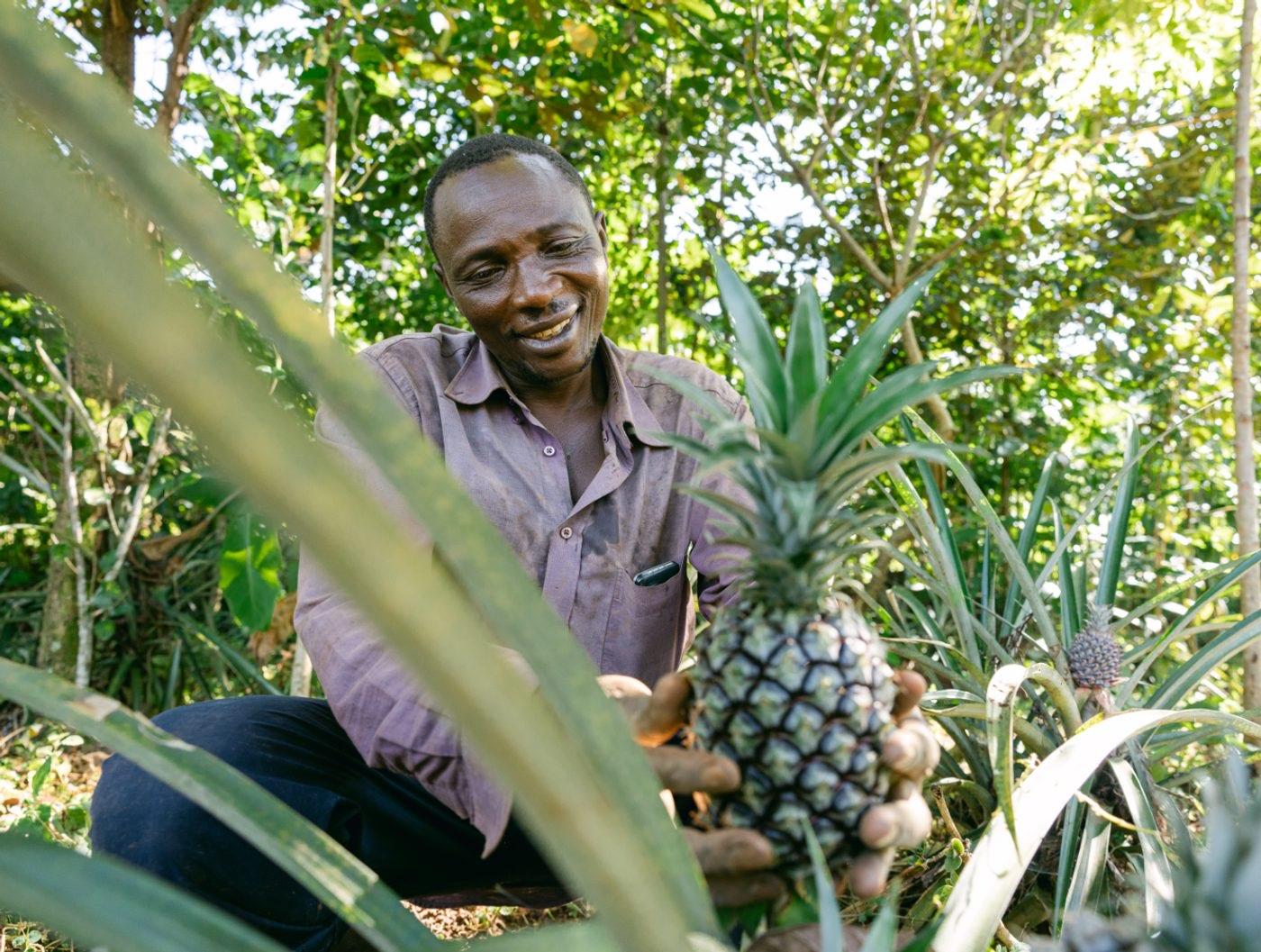
What a customer sees when they follow the certificate: field photos from Uganda, India and Senegal.
Four ways stores get this wrong
Claiming more than a tree
A planted tree is not a carbon offset and your shipping is not neutral because of it. Describe the action: a tree, a partner, a country. Regulators in the EU and UK now act on vague green claims, and customers notice too.
No proof on the page
A badge that says 'we plant trees' with no number behind it reads as decoration. Show the running total from your public profile and link to it. Put the certificate in the order confirmation email.
Double planting
Fire the tree from one event only, the paid or completed order, and store a flag on the order. Tag each call with the order id in metadata so you can find it later. If an order is refunded, /v1/cancel_impact reverses the action and is safe to call twice.
Hiding the cost in a surcharge
Some stores add the tree as a line item the customer pays for. It works for a few, but most customers read it as a fee. At $0.40 a tree the store can usually absorb it and say so.

Plant a tree with your next order
Shopify stores install the free app and are planting the same afternoon. Everyone else starts with a free API key and the sandbox.
Tree per order FAQ
How much does it cost to plant a tree for every order?+
At 1ClickImpact, $0.40 per tree. A store doing 1,000 orders a month pays $400 for the trees. The Shopify app is free; the API is available on a monthly plan with API calls included.
How do I plant a tree for every order on Shopify?+
Install the free 1ClickImpact app from the Shopify App Store, choose a trigger mode (per order, per product, customer choice or fixed monthly) and add the widget to your storefront. The app plants on every paid order from then on. New installs start with 100 trees and 230 bottles of plastic removed.
Does planting a tree per order increase sales?+
It can, and the right way to find out is to test it in your own store. The honest framing is that a $0.40 tree is a cheap, visible reason to choose you over an identical listing, and the certificate gives the customer a reason to remember you. Treat any conversion figure you read, including ours, as an observed result with context rather than a promise.
What should I say on my website?+
Name the action, the partner and the place: 'Every order plants one tree with Trees for the Future in Kenya or Uganda.' Link to your public 1ClickImpact profile so the total is checkable. Avoid 'carbon neutral', 'offset' or 'climate positive' unless you have a separate, measured basis for the claim.
What happens if an order is refunded?+
Call /v1/cancel_impact with the original action and the tree is reversed. The endpoint is idempotent, so calling it twice for the same order does nothing extra. On Shopify the app handles refunds for you.
Can my customer choose the impact?+
Yes. In customer-choice mode the buyer picks a tree, ocean plastic, carbon removal or coral on the order confirmation page. Stores use it to learn which impact their customers respond to before committing to one.
Where are the trees planted?+
Through more than 20 verified projects in 17 or more countries, including Forest Garden Program sites in Kenya, Uganda and Tanzania with Trees for the Future, and projects in Senegal, India, Vietnam, Brazil and Ethiopia. Each tree is attributed to a named project with GPS and photo evidence.
Is a tree per order a carbon offset?+
No. A tree removes carbon slowly over decades and the amount depends on species, site and survival, so nobody can credit it at planting time. 1ClickImpact sells trees as trees. Measured carbon removal with permanent storage is a separate product priced per pound.
Can I do this without Shopify?+
Yes. Zapier connects any store, payment processor or CRM to the Plant Trees action without code, and the REST API works from any checkout with one request per order. WooCommerce and Magento each have a step-by-step guide.
Keep reading
Prices are on the pricing page, the four trigger modes and the starter pack on the Shopify page, and the endpoints in the API reference. For what the forty cents buys and why a tree costs that little, read How Much Does It Cost to Plant a Tree?. For the scale of the problem a tree per order pushes against, read How Many Trees Are Cut Down Per Year?